
EU Rules Out Early Return for Brazilian Beef, Citing Two-Year Timeline
The European Union has rejected a transition period for its ban on Brazilian beef, locking exporters out of a premium market for at least two years.
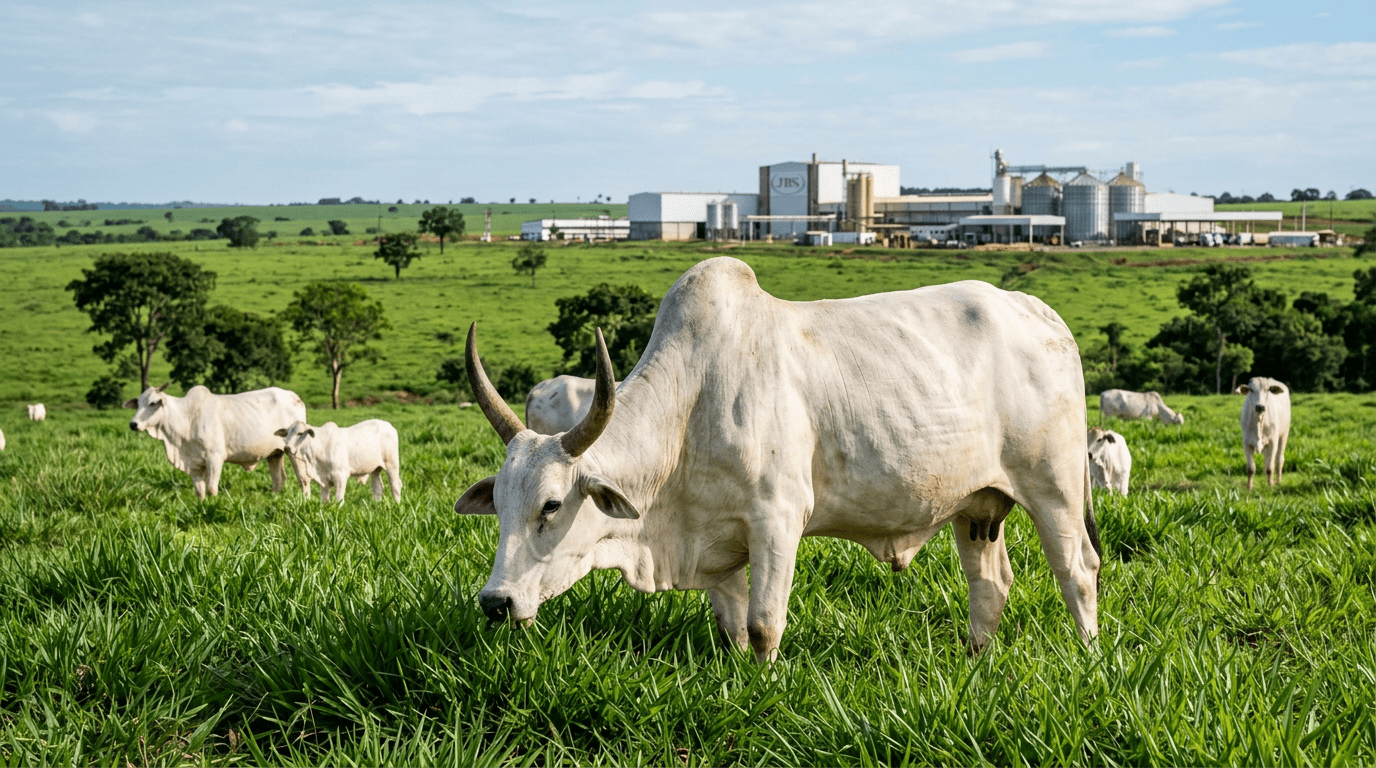
The European Union has ruled out granting a transition period to resume imports of Brazilian beef, effectively locking exporters out of one of the world's highest-paying markets for at least two years. Jean-Pierre Bou, the deputy head of the EU Delegation to Brazil, confirmed that a rapid return is highly unlikely due to the biological realities of livestock production. The decision follows a broad suspension of Brazilian animal products over concerns regarding how the country monitors veterinary antimicrobials used in its herds.
Speaking at the Global Agribusiness Festival in São Paulo, Bou explained that the two-year timeline is a direct consequence of cattle life cycles. Under strict European sanitary protocols, animals destined for EU dinner plates must be monitored and raised entirely under compliant standards from birth to slaughter. Because the EU suspended imports after finding gaps in Brazil's veterinary drug controls, any new cattle entering the system today would take at least two years to reach maturity and qualify for export.
While Brazilian beef exporters have lobbied the federal government to negotiate an interim transition period, the EU has remained firm. The setback comes at a delicate moment for Brazilian trade relations. Although the historic Mercosul-EU trade partnership was signed in January 2026 and began provisional application in May, sanitary disputes have quickly overshadowed the diplomatic breakthrough. While recent EU audits have cleared the path for Brazilian poultry and honey exports to resume shortly, the beef sector faces a prolonged freeze.
For Brazilian ranchers, the European market is less about sheer volume and more about value. Although China buys far more Brazilian beef by weight, European buyers pay a significant premium for high-quality, traceable cuts. This premium incentivizes local producers to invest in sophisticated tracking systems and strict sanitary protocols. Without access to Europe's lucrative market, industry analysts worry that ranchers may scale back investments in traceability, potentially hurting the long-term competitiveness of Brazilian agriculture.
The diplomatic friction also highlights broader environmental tensions. In his remarks, Bou emphasized that to secure its standing in Europe, Brazil must maintain its commitments to curb deforestation and uphold the provisions of its Forest Code. As the EU prepares to implement its strict anti-deforestation laws, agricultural compliance is increasingly tied to environmental performance, raising the stakes for the sector ahead of Brazil's upcoming political cycle.
What it touches
The prolonged European ban directly impacts major Brazilian meatpacking multinationals, most notably JBS (JBSS3), which rely on high-margin premium exports to diversify their global revenue. While these conglomerates can redirect raw volumes to other international markets, the loss of the European premium is expected to squeeze profit margins in their domestic beef divisions over the next two years.