EU-Mercosur trade deal drives 14.8% rise in Brazil farm exports
Brazil's agricultural exports to the European Union hit $12.21 billion under the first five months of the provisional EU-Mercosur trade agreement.
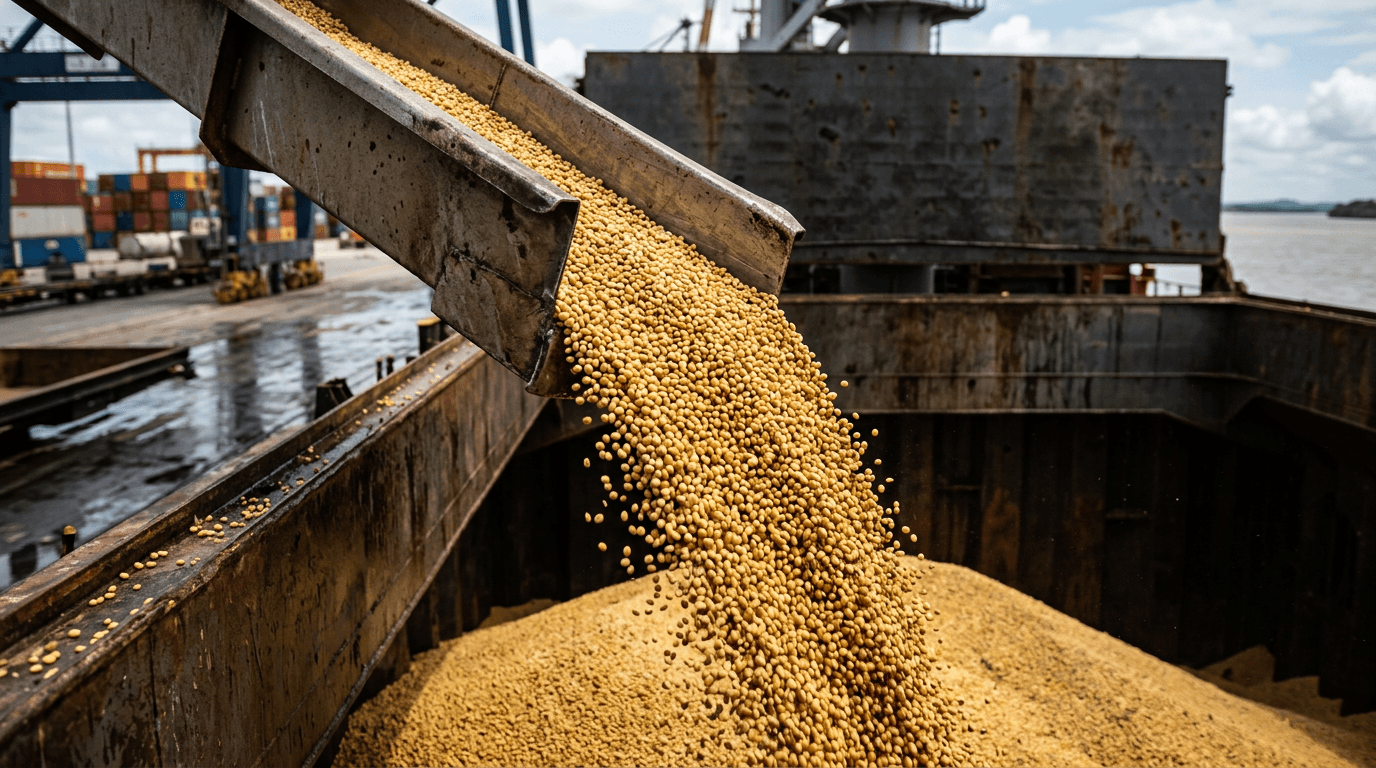
Global agricultural trade flows are shifting as a provisional free-trade agreement between Europe and South America alters competitive dynamics for international exporters. Lower tariffs on South American agricultural products are accelerating shipments from Brazil directly into European ports, presenting a highly competitive, tariff-advantaged alternative to traditional supply chains.
According to official trade data released on November 2, 2026, by Brazil's Ministry of Agriculture and Livestock (MAPA), Brazilian agricultural exports to the European Union reached $12.21 billion between May and September 2026. This represents a 14.8% increase in value compared to the same five-month period in 2025. In terms of volume, Brazil shipped 17.74 million metric tons of agricultural and agro-industrial products to the 27 EU member states, reflecting an 8.1% year-on-year increase.
The export growth coincided with the first five months of the provisional application of the EU-Mercosur trade agreement, which took effect on May 1, 2026. Signed on January 17, 2026, after more than two decades of negotiations, the interim trade pact immediately lowered tariffs on key commodities. Under the agreement, Mercosur nations—primarily Brazil, Argentina, Uruguay, and Paraguay—gain phased-in access to preferential quotas, including 99,000 tons of beef at a reduced 7.5% tariff and 180,000 tons of tariff-free poultry.
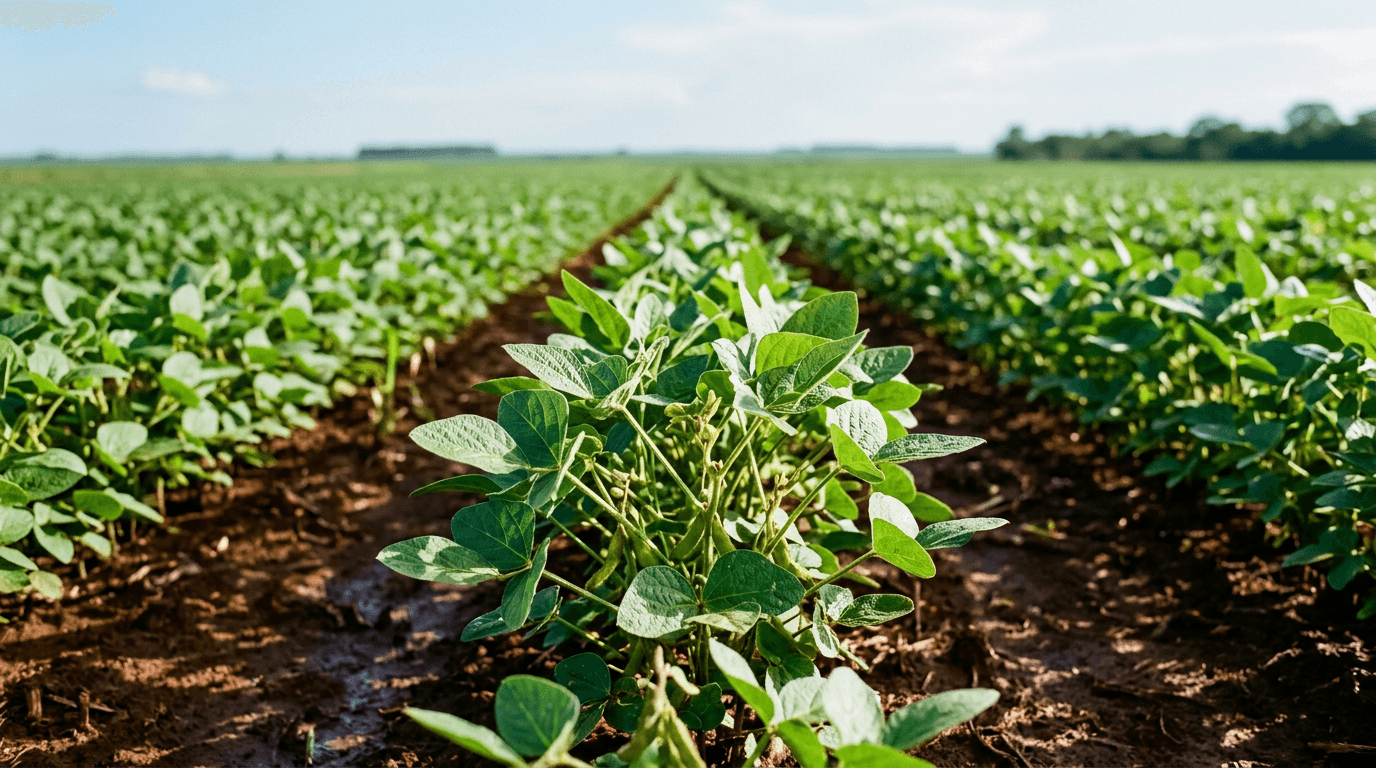
Brazil’s dominant "soybean complex"—which includes raw beans, meal, and oil—remained the largest export segment to Europe. The sector grew 34.2% in value to $4.19 billion during the May–September 2026 period, up from $3.12 billion in the same period of 2025. Meanwhile, Brazilian meat exports to the EU rose by 103.5% in value to $1.35 billion, with shipment volumes increasing 170% to 272,000 tons.
However, this rapid expansion faces immediate friction from Europe's strict regulatory institutions. On September 3, 2026, the European Union suspended imports of several Brazilian animal products, including beef and poultry, over compliance concerns regarding the use of antimicrobials in livestock. While EU regulators are currently auditing Brazilian facilities to potentially lift the ban on poultry and honey, the dispute highlights the ongoing political and environmental risks—such as the upcoming European Union Regulation on Deforestation-Free Products (EUDR)—that could still disrupt Brazil's market access.
Global market context
For international observers tracking agricultural markets, these shifting trade patterns alter the competitive landscape for major multinational grain processors and meatpackers. Companies operating extensive logistics networks in South America are adjusting to these changing flow patterns, while global agricultural commodity benchmarks reflect the evolving supply dynamics between North and South American producers.