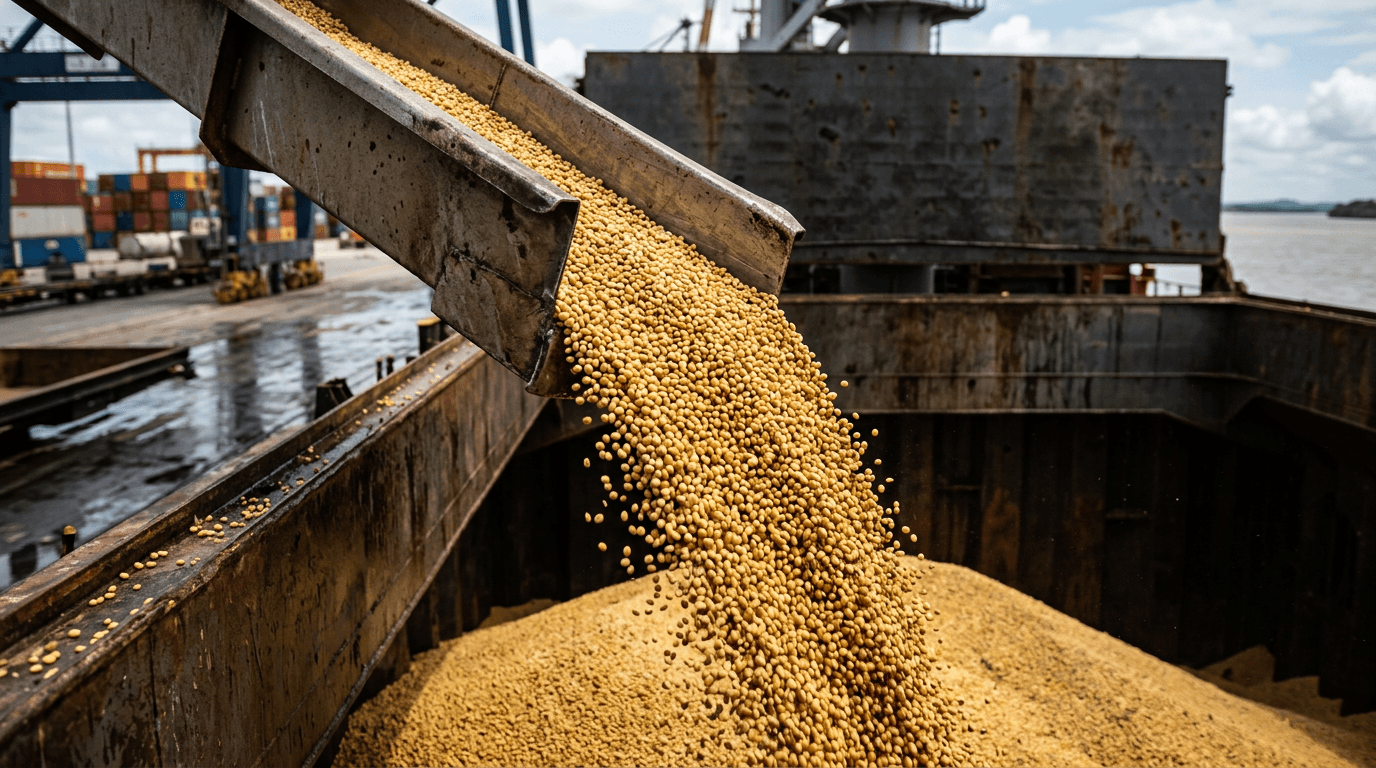
Chicago soybean futures fall as fast Brazilian planting offsets dry spots
Rapid early-season soybean planting in Brazil's key agricultural states offsets localized dryness, driving down Chicago futures as global supply expectations remain high.
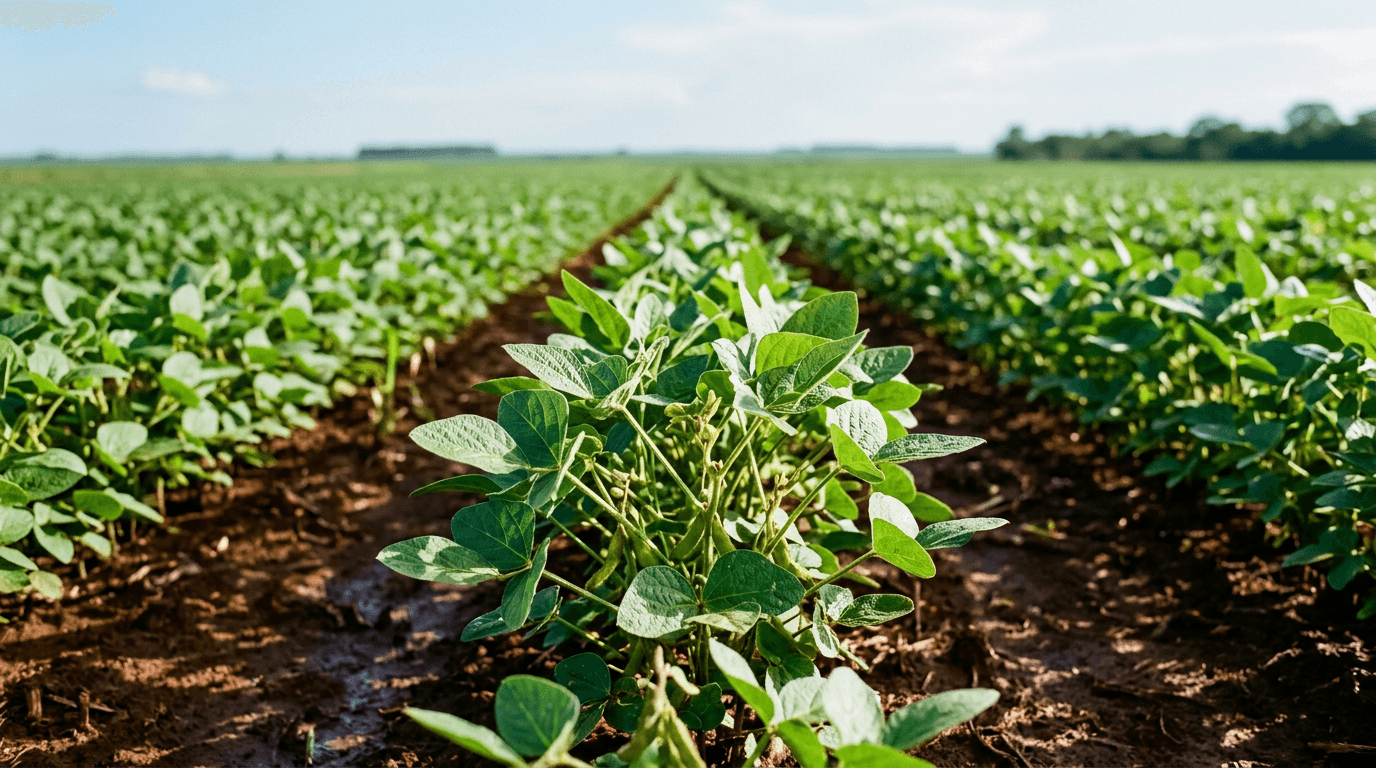
Global grain markets are experiencing downward pressure as rapid planting progress across Brazil’s primary agricultural states offsets localized dry weather in the country’s northeastern frontier. On the Chicago Board of Trade, soybean futures fell during the final week of October 2026, with the January contract trading near $12.50 per bushel on October 27, 2026. This downward trend reflects speculative long liquidation as traders weigh early-season weather risks against a highly efficient start to the South American planting cycle.
The primary source of weather concern is concentrated in the municipality of Luís Eduardo Magalhães, a critical agricultural hub in western Bahia. The city serves as a gateway to "Matopiba"—the fast-growing northern agricultural frontier encompassing the states of Maranhão, Tocantins, Piauí, and Bahia. While localized dry spells in Bahia have kept early-stage planting cautious in the northeast, central and southern agricultural powerhouses are planting at a rapid pace, reassuring global buyers of ample physical supply.
According to a crop progress report released by the National Supply Company (CONAB)—the state-run agency responsible for Brazil's official agricultural statistics—national soybean planting had reached 42.8% of the projected area as of October 23, 2026. This pace represents a significant acceleration from the 30.1% recorded a week prior and sits comfortably ahead of both the 34.8% recorded at the same point in 2025 and the five-year historical average of 40.2%.
Regional disparities test yield potential
The rapid progress is driven heavily by Mato Grosso, Brazil's top soybean-producing state, where planting reached 75.8% of the planned area by late October 2026, surpassing its five-year average of 70.3%. In contrast, southern states like Paraná reached 47% completion, trailing their historical average of 53% due to uneven early-season rainfall. This regional disparity highlights a dual narrative: while the central grain belt is off to an excellent start, delayed moisture in peripheral regions like Matopiba limits early yield certainty.
In its official October 2026 crop survey, CONAB projected that Brazil’s total soybean production for the 2026/2027 season will rise 0.7% to a record-breaking 181.62 million metric tons. However, the agency noted that the projected planted footprint of 49.3 million hectares represents just a 1.4% year-over-year expansion. This is the slowest rate of soybean land expansion in two decades, a slowdown CONAB attributes to narrower profit margins and reduced financial incentives for farmers to clear new acreage.
Furthermore, CONAB projected a slight 0.8% decline in national average yields to 3.683 metric tons per hectare, reflecting early climate uncertainty. If dry conditions in the northeastern frontier persist, replanting in Bahia and neighboring states could delay the early-2027 harvest, narrowing the export window that global grain importers rely on before the North American marketing season fully concludes.
Global market implications
According to the Commodity Futures Trading Commission (CFTC) Commitments of Traders data for the week ending October 20, 2026, managed money held a net long position of approximately 221,000 contracts in Chicago soybeans. While this long positioning indicates that speculative funds remain sensitive to potential South American weather disruptions, the overall market trajectory remains anchored by the massive physical volumes projected out of Brazil.
These dynamics illustrate how localized weather patterns in South American municipalities directly shape international commodity pricing. The balance between Brazil's rapid planting machinery and its regional climate risks continues to serve as the primary driver for global agricultural supply projections heading into the new year.