
EU Audit Clears Path for Brazil to Resume High-Value Poultry and Honey Exports
Brazil's sanitary controls for poultry and honey exports received a "satisfactory" rating from an EU audit, paving the way for market reinstatement.
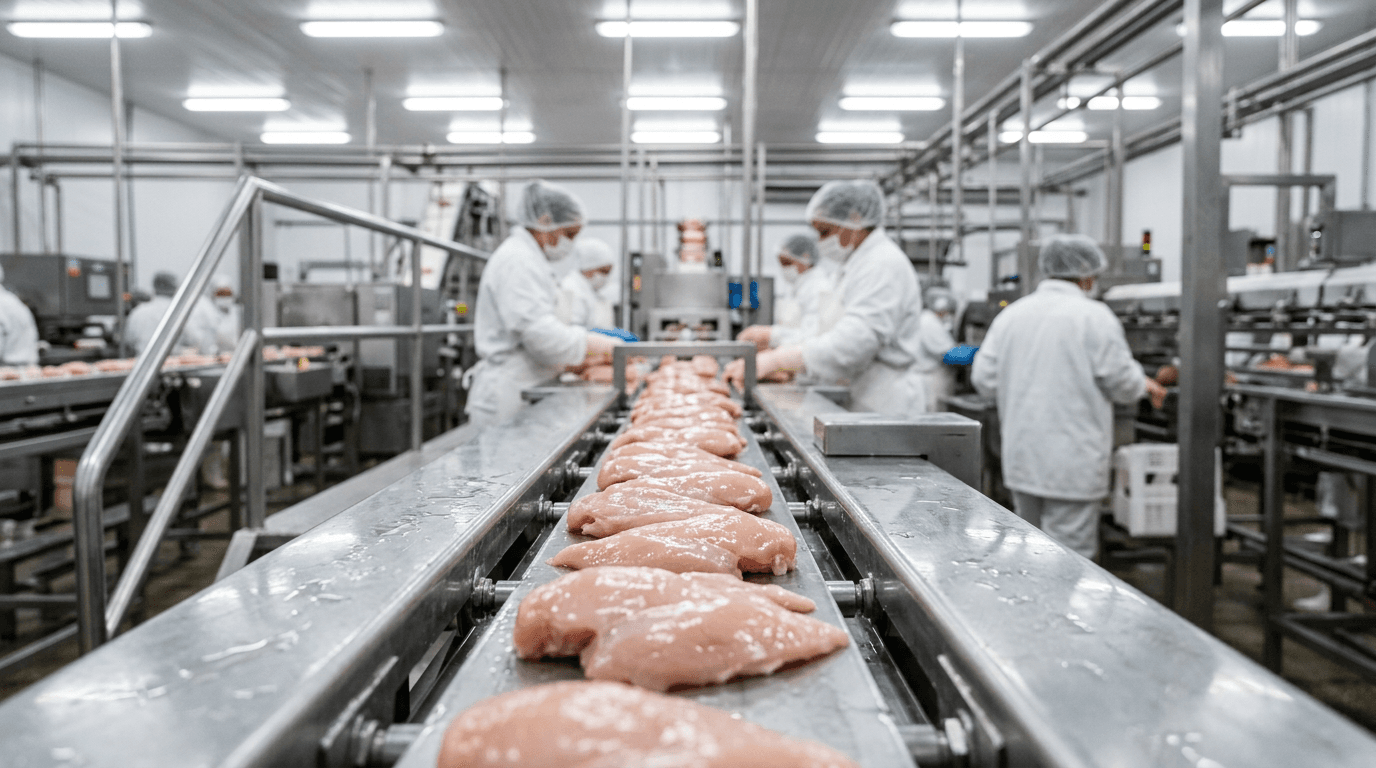
The European Union has given Brazil’s sanitary controls for poultry meat and honey a "satisfactory" rating following a technical audit, paving the way for the country to be reinstated as an authorized supplier to a critical high-value export market. The Brazilian Ministry of Agriculture and Livestock (MAPA) announced on Friday, September 4, that European inspectors had completed their on-site mission and approved the official procedures, traceability, and laboratory surveillance systems for both production chains. Minister of Agriculture Andre de Paula stated the audit removes the technical impediment and expects a rapid return to the EU supplier list once administrative steps are concluded.
The audit was conducted after the European Commission temporarily removed Brazil from its list of authorized third-country exporters of animal products, including poultry and honey, on September 3. This suspension was a direct result of new EU regulations on the use of antimicrobial medicinal products in animal production. The new rules, stemming from Regulation (EU) 2019/6, prohibit the use of certain antimicrobials for growth promotion in animals and restrict others reserved for human medicine, applying an equivalent standard to imports to combat antimicrobial resistance. Brazil was temporarily excluded because the EU had not received sufficient guarantees of compliance, though the bloc did not cite any evidence of contamination in Brazilian shipments.
Inspectors from the European Commission’s Directorate-General for Health and Food Safety (DG SANTE) spent two weeks in Brazil, concluding their mission on Friday. Their review included visits to production facilities, such as poultry plants in the states of Paraná and Mato Grosso do Sul, as well as meetings with government agencies to verify the country's official controls. The satisfactory conclusion specifically addresses the EU's concern regarding guarantees that the use of antimicrobials in food-producing animals adheres to the new restrictive standards.
While the technical hurdle is now cleared, exports remain temporarily suspended as the bureaucratic process continues. The next steps require DG SANTE to finalize its official audit report, which will then be reviewed and put to a vote by the Standing Committee on Plants, Animals, Food and Feed (PAFF Committee) to formally amend the list of authorized suppliers. This administrative review is expected to take approximately two months, according to sector estimates. The resumption of trade is crucial for Brazil, which exported over 189,000 tonnes of poultry to the European Union in the first half of the year, a 51% increase from the same period in 2023.
What it touches The satisfactory audit is a material event for Brazil’s agricultural exporters, particularly the large poultry producers that count the EU as a crucial destination for high-value cuts. The development removes a significant trade barrier that had been placed on the sector, while the local currency trades at R$5.1247 per U.S. dollar and R$5.9534 per euro, reflecting a broadly stronger dollar environment.