Global grain markets face pressure as dry spell tests Brazil frontier
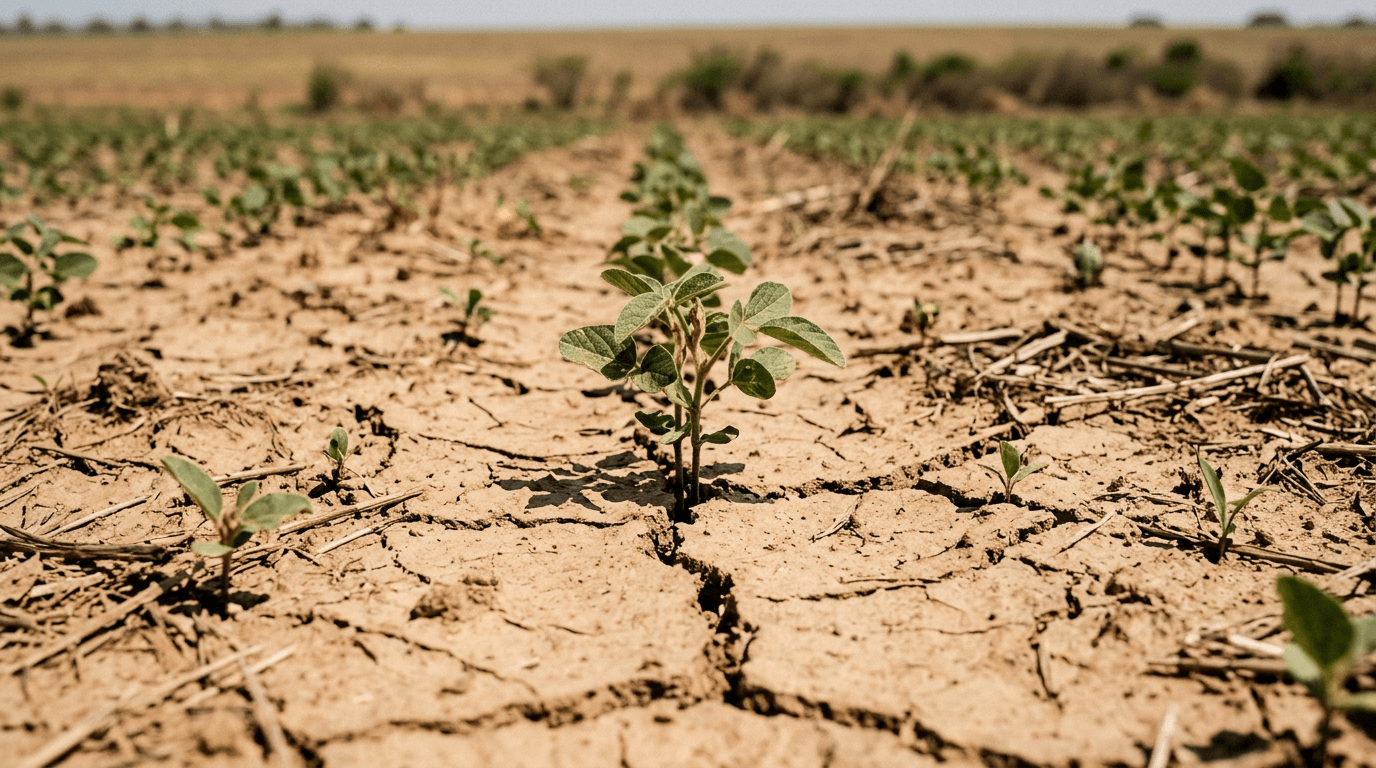
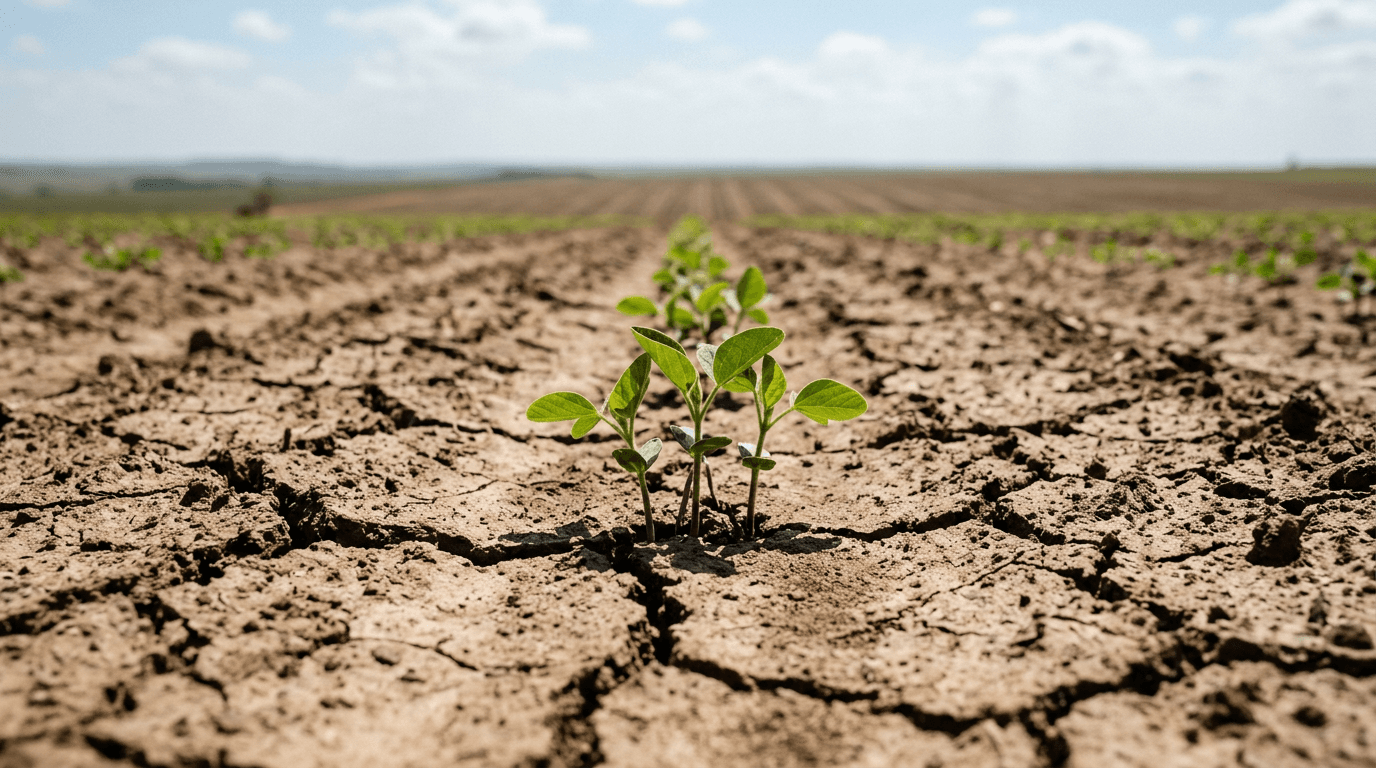
Erratic rainfall in Brazil's northern agricultural frontier contrasts with rapid planting in southern states, complicating global soybean supply projections.
Global agricultural markets are closely monitoring South American weather maps as planting progresses in the southern hemisphere. Erratic rainfall in Brazil's eastern agricultural frontier is threatening to stress newly planted crops, creating localized supply bottlenecks that could eventually impact global prices. On the Chicago Board of Trade, soybean futures traded at 1215.25 cents per bushel on October 27, 2026, as traders weighed these emerging South American weather risks against a record-high U.S. harvest.
The immediate point of concern is the municipality of Luís Eduardo Magalhães, a critical agricultural hub in the western portion of Bahia. The city serves as the gateway to the "Matopiba" region—an acronym for the states of Maranhão, Tocantins, Piauí, and Bahia—which represents Brazil's fastest-growing agricultural frontier. According to regional meteorological data for the week ending October 31, 2026, Luís Eduardo Magalhães registered five dry days and accumulated a meager 11.6 millimeters of rainfall over the preceding seven days. This lack of moisture contrasts with southern hubs like Cascavel, in the state of Paraná, which recorded 75.9 millimeters of rain and only three dry days during the same period.
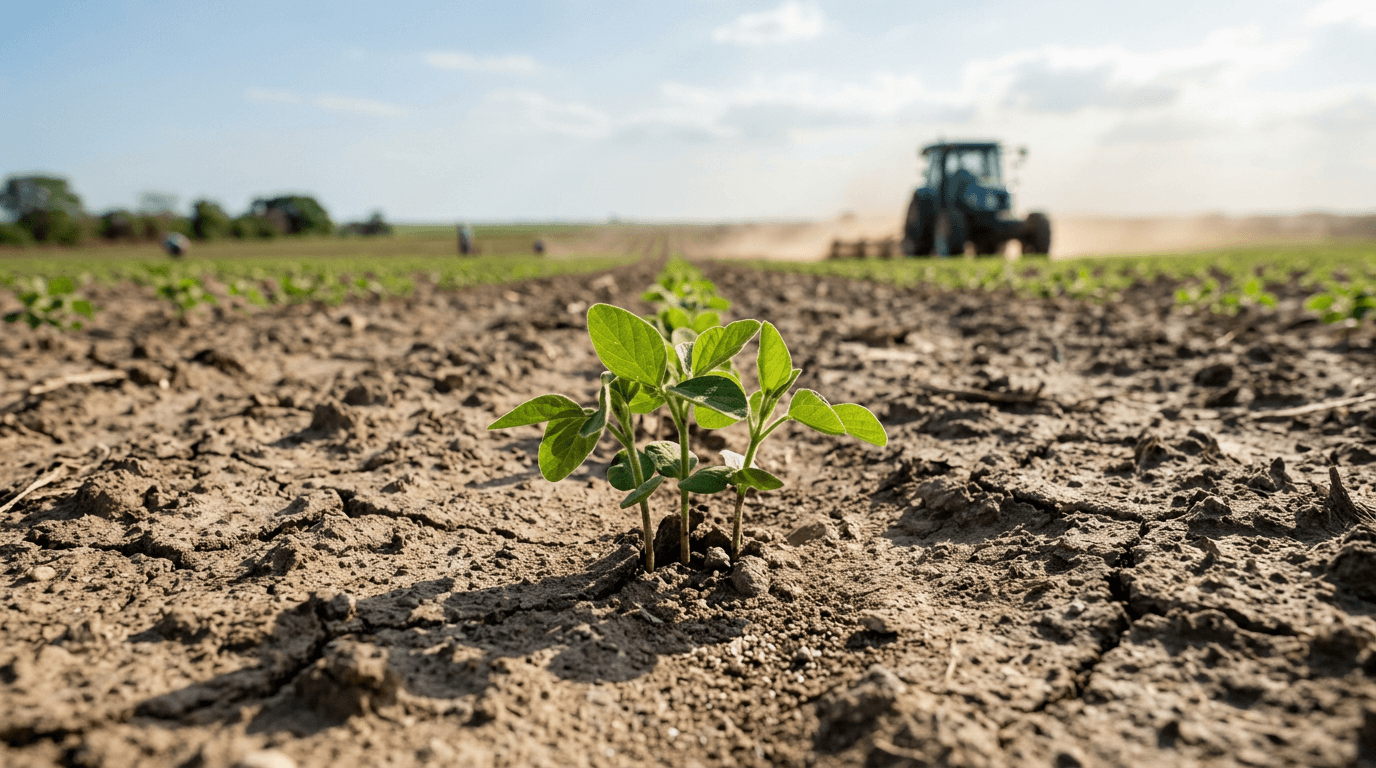
This uneven distribution of rain is creating a dual narrative for global grain markets. On one hand, central and southern states are planting at a rapid pace. According to data released on October 29, 2026, by the National Supply Company (CONAB), the government agency responsible for official crop forecasts, Brazilian farmers had planted 42.8% of the projected national soybean area, ahead of the five-year historical average of 40.2%. Agribusiness consultancy AgRural also reported on October 26, 2026, that national planting had reached 40% as central rains allowed fieldwork to gain momentum in the powerhouse state of Mato Grosso.
However, the prolonged dry spells in the northeastern frontier could drag down average yields, which CONAB already projected to dip by 0.8% in its October 15, 2026, crop survey due to narrower producer margins and climate uncertainty. While CONAB still projects a record-breaking national harvest of 181.62 million metric tons for the 2026/27 cycle, any extended drought in Bahia and neighboring northeastern states will cap that yield potential and force private analysts to trim their production estimates.
Speculative traders are already adjusting their exposure to these regional weather shifts. According to the Commodity Futures Trading Commission (CFTC) Commitments of Traders report for the week ending October 27, 2026, non-commercial traders on the Chicago Board of Trade held 271,296 long contracts compared to 67,177 short contracts. This net-long positioning reflects a market that remains sensitive to any potential weather disruptions during the critical South American vegetative phase.