
Brazil Soybean Industry Cuts Export Forecast as China Pivots to US Supply
Brazil's Abiove cut its 2026 soybean export forecast to 115 million tonnes, a direct result of China's shift to US suppliers, while domestic crushing is set for a record high.
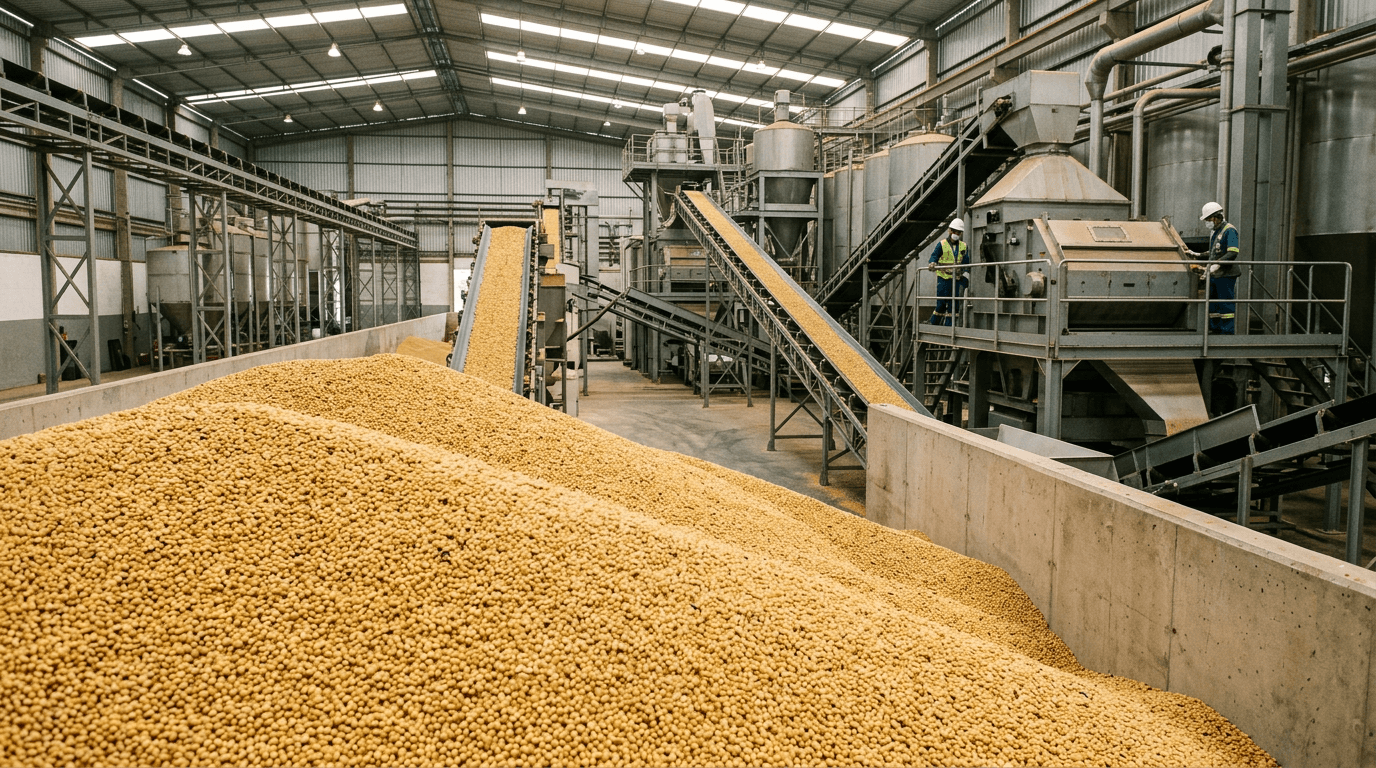
The Brazilian Vegetable Oil Industries Association, Abiove, trimmed its 2026 soybean export forecast by 400,000 tonnes to 115 million tonnes, marking the first monthly cut since March, as the world’s largest buyer, China, dramatically scaled back its purchases from Brazil. The move signals that the US-China trade truce is having an immediate and tangible impact on the world’s agricultural trade flows, redirecting cargoes away from Brazil’s ports. Chinese commercial purchases of Brazilian soybeans have fallen to fewer than five cargoes over the past two weeks, a steep drop from the estimated 20 cargoes per week China was taking in August.
The shift is a direct commercial response to both US-China diplomacy and a change in market profitability. China has committed to purchasing at least 25 million tonnes of US soybeans annually through 2028, and state-owned Chinese firms are actively working to meet that pledge. Concurrently, the price of Brazilian beans has risen enough to squeeze crushers, with South American supplies becoming unprofitable for Chinese processors due to negative crushing margins. Instead of exporting, more of Brazil’s record harvest—which Abiove still projects above 180 million tonnes—will remain in the country. Abiove raised its forecast for the domestic processing of soybeans (the "crush") to a record 63.5 million tonnes, indicating that Brazil's industry is absorbing the raw product China is no longer buying.
This rebalancing comes as Brazil’s farmers begin planting for the 2026/27 crop year. Planting has started slowly across the national area, with early season work beginning in the far west of Bahia state today. However, the season faces a significant threat from a strong El Niño weather pattern, which forecasters warn has a greater than 90% chance of developing into one of the strongest on record. For Brazilian agriculture, El Niño presents divergent risks: it typically brings heavier rains to the southern states like Paraná and lighter, potentially delayed rainfall to the central and northern interior, including the crucial state of Mato Grosso, where planting could be delayed.
What it touches The reduced export volume and the rise in domestic crushing directly affect farm income and margins in the major producing regions of Mato Grosso and Paraná. While the record domestic crush supports the soybean oil and meal sectors, farm-gate prices for the raw bean are likely to feel pressure from lower export demand, influencing planting decisions for the season just getting underway.
Latest articles
Markets · PRO
Close Brazil Presidential Polls Intensify Fiscal Risk Debate Ahead of October Vote
Published
Politics
Lula Urges Overhaul of UN Security Council, Challenges Global Order in UN Speech
Published
Small Caps
Brazil’s Small Cap Index Trades at Steep Discount as High Interest Rates Choke Growth
Published