
JBS and BRF face export squeeze as Philippines halts pork imports
The Philippines has suspended pork imports for 60 days to protect local farmers, threatening revenues for major global meatpackers like JBS and BRF.
Global food conglomerates and meatpackers are facing a sudden supply-chain bottleneck as one of the world's fastest-growing consumer markets shuts its doors to foreign pork. On November 9, 2026, the Philippine Department of Agriculture signed Department Order No. 33, imposing a provisional 60-day safeguard suspension on pork imports. The emergency trade barrier is designed to protect local hog raisers who suffered an estimated 27.9 billion pesos ($480 million) in financial losses during the first seven months of the year due to a massive influx of cheap foreign meat.
The policy shift hits Brazil's agricultural export engine directly. Between January and September 2026, Brazil exported 271,600 metric tons of pork to the Philippines, representing nearly 25% of its total pork exports during that period. Over the past three years, the Southeast Asian nation has overtaken China as the single largest buyer of Brazilian pork, making it a critical revenue driver for South American agribusinesses.
A Shield for Local Farmers
The Philippine government enacted the restriction under Republic Act 8800, also known as the Safeguard Measures Act, after a preliminary investigation revealed "serious injury" to domestic producers. According to data from the Philippine Department of Agriculture, pork imports surged by 42% between 2023 and 2025, rising from 589,675 metric tons to 836,240 metric tons. This influx caused domestic self-sufficiency to plummet to just 54% between January and August 2026, down from 74.3% in 2021.
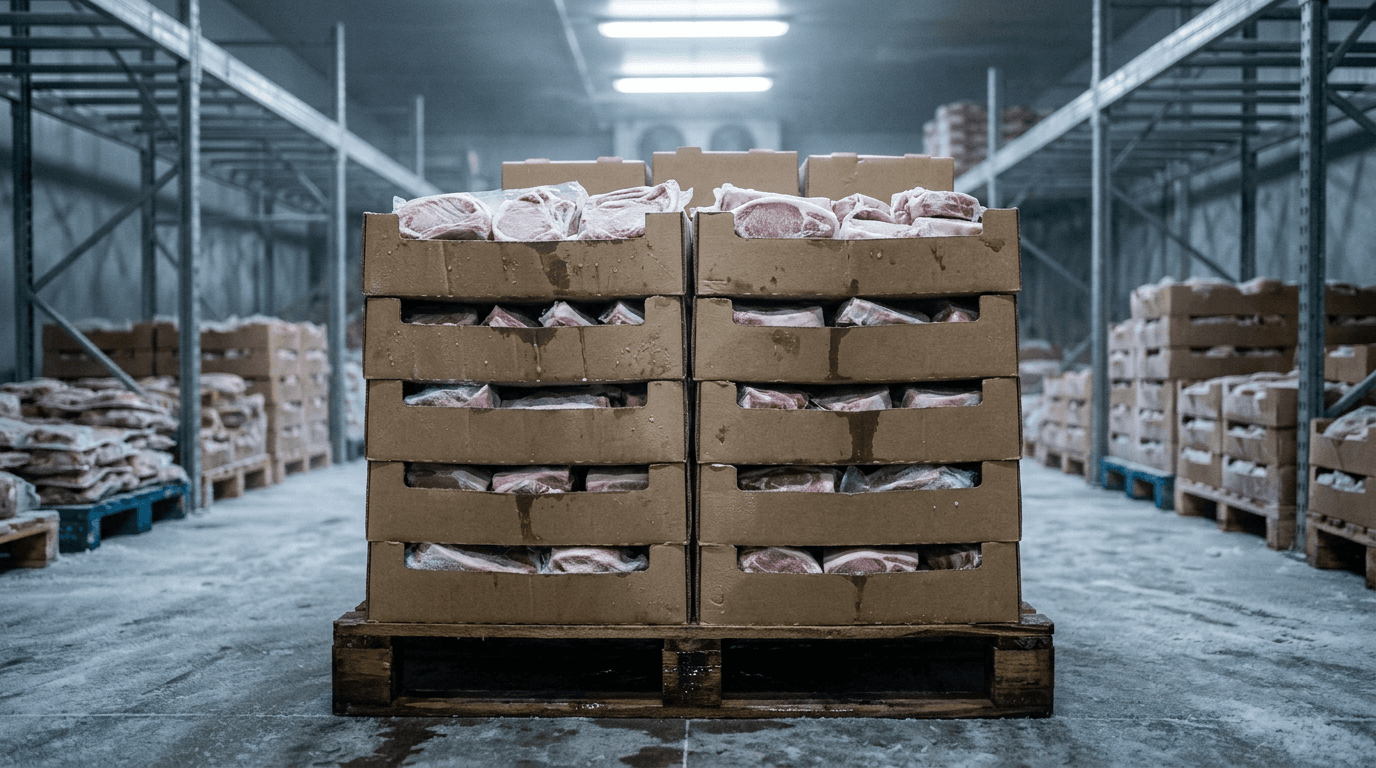
The sudden oversupply led to a massive buildup in cold storage, with frozen pork inventories peaking at 121,000 metric tons in July 2026. Imported products accounted for 94% of those stockpiles, forcing average local farmgate prices down from 198.30 pesos per kilogram in 2025 to 175.75 pesos in the first half of 2026. Philippine Agriculture Secretary Francisco Tiu Laurel Jr. emphasized that while the country does not want to permanently close its market, it must give local hog raisers a fair chance to compete.
Shifting Supply Chains
The 60-day suspension covers fresh, chilled, and frozen pork cuts, including carcasses, hams, shoulders, and edible offal. It is scheduled to take effect either upon the issuance of a formal Bureau of Customs order or 15 days after its publication in two newspapers of general circulation. While the initial ban is set for two months, Secretary Tiu Laurel acknowledged that the government is open to extending the restriction if local market recovery requires a longer buffer.
For major exporters, the immediate challenge will be redirecting hundreds of thousands of tons of pork to alternative global markets. With China's demand remaining soft and European producers also competing for market share, global protein prices could face downward pressure in the short term as exporters look for new buyers.
In your brokerage app
The import ban directly impacts major global protein producers listed in New York, such as JBS S.A. and BRF S.A., which operate extensive pork processing and export facilities in Brazil. Investors holding these individual equities or broad-market emerging market funds like the iShares MSCI Brazil ETF (EWZ) may see short-term margin compression in the companies' pork divisions as they scramble to find alternative buyers for shipments originally destined for Manila.
