
Brazil Beef Exports Defy Trade Friction with Historic US Surge
Despite broad US-Brazil trade tensions and retaliatory tariffs, a severe US domestic cattle shortage has forced Washington to exempt Brazilian beef, driving exports to historic highs.
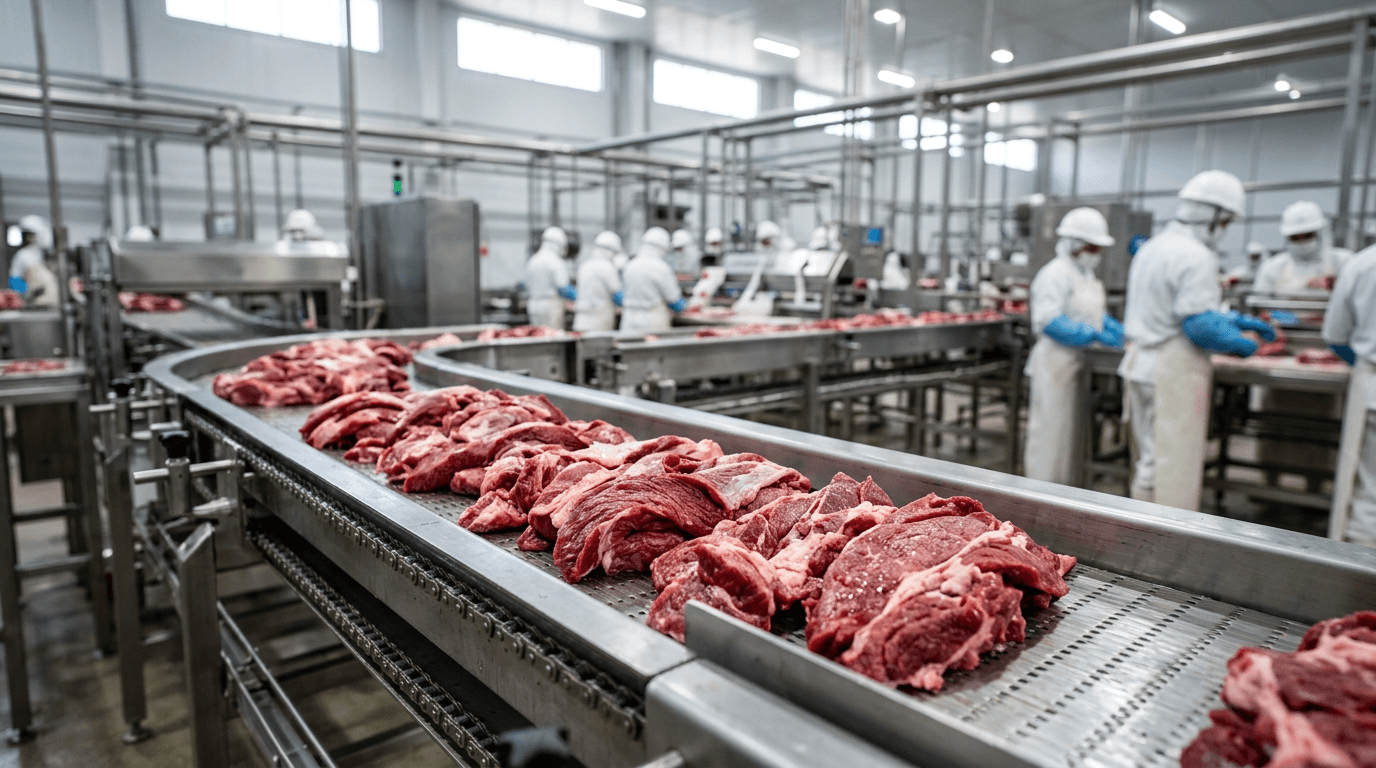
Brazilian beef is flowing into the United States at a historic pace, carving out an unexpected path of growth even as broader trade relations between the two nations face severe headwinds. In September 2026, Brazil's fresh beef exports to the U.S. reached a record-breaking 44,440 tons, representing a 41.8% surge from the previous month. The sudden boom highlights a stark reality of global agricultural trade: when domestic food supplies run tight, consumer prices and market realities frequently override geopolitical friction.
According to data compiled by the Brazilian Association of Meat Exporting Industries (Abiec), total fresh and processed beef exports from Brazil to the U.S. rose 45% year-to-date in 2026, reaching 317,400 tons. This surge comes at a highly sensitive political moment. Under Section 301 investigations, the U.S. Trade Representative (USTR) has levied tariffs of up to 37.5% on a wide array of Brazilian industrial and agricultural goods. Yet, beef was granted a strategic reprieve, as Washington moved to protect American consumers from soaring ground beef prices.
The primary catalyst for this trade anomaly is a severe contraction in the U.S. domestic cattle herd, which has shrunk to its lowest level in 70 years. Faced with a critical domestic beef deficit, the U.S. government temporarily expanded its tariff-free import quota for lean grinding beef by 300,000 metric tons for the September-to-November window. Brazilian meatpackers, operating with highly competitive production costs and ample supply, were uniquely positioned to fill the void.
This U.S. demand spike has provided a vital lifeline for Brazilian exporters, who are simultaneously navigating a sharp downturn in their primary export market, China. Due to strict safeguard tariffs triggered after exceeding annual quotas, Brazilian beef shipments to China fell dramatically in September. While the U.S. surge was not quite enough to fully offset the Chinese decline in total export revenues, it underscores the strategic agility of Brazil's agricultural sector in redirecting massive volumes of animal protein to high-value alternative markets.
What it touches
The unprecedented U.S. demand directly benefits Brazil’s dominant, publicly traded global meatpackers, notably JBS SA (BR:JBSS3) and Minerva Foods (BR:BEEF3), which maintain extensive processing footprints across South America. On the domestic front, the export boom supports robust local cattle prices, with the benchmark Cepea live cattle index holding firm at R$ 377.8 per arroba. In the U.S. market, the influx of lean Brazilian trimmings helps stabilize wholesale processing margins for major food conglomerates, such as Tyson Foods (US:TSN), which rely heavily on imported lean beef to blend with fattier domestic supplies for retail ground beef production.