
Brazil Agriculture Minister Assures 2026/27 Fertilizer Shortage Risk Averted with Morocco Deal
Minister André de Paula confirmed a new supply pact with Morocco and domestic production plans will secure input needs for Brazil’s vital 2026/27 crop.
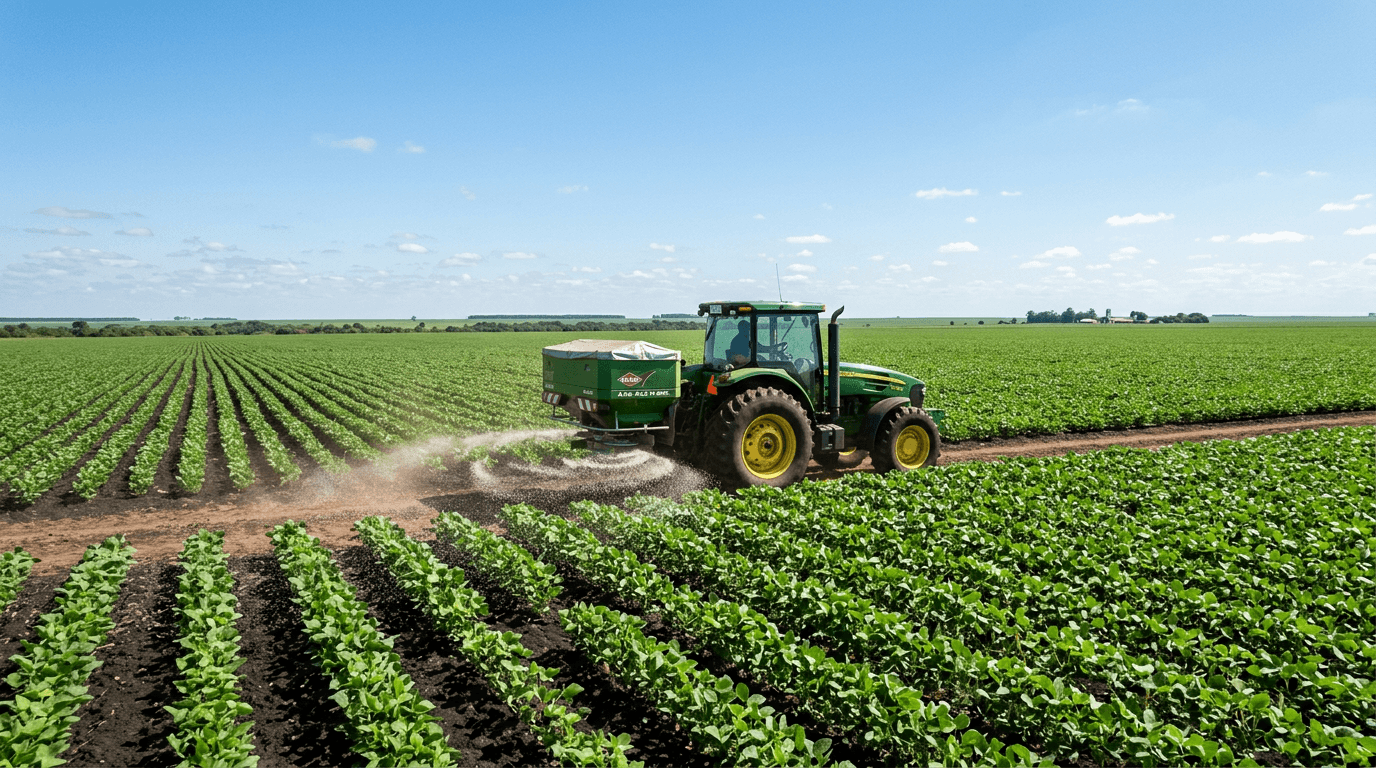
Brazil’s Minister of Agriculture and Livestock, André de Paula, announced that the risk of a major fertilizer shortage for the crucial 2026/27 crop season has been averted, citing a new international supply agreement and increased government focus on domestic production. The assurance from the minister removes a key source of supply chain uncertainty for Brazilian agribusiness, which is responsible for a significant portion of the world's soy, corn, and sugar. Despite the relief, Brazil remains highly vulnerable to global supply shocks, securing over 90% of its fertilizer needs from abroad.
The core of the solution is a new supply agreement with Morocco, which establishes a reference volume of 3.8 million tonnes of phosphate fertilizers. This volume is anticipated to cover approximately 80% of Brazil’s current phosphate fertilizer shortfall for the upcoming agricultural cycle, according to sources familiar with the ministry’s projections. The deal represents a high-stakes diplomatic effort, as Minister de Paula, who took the agriculture portfolio in April 2026, oversaw negotiations that also involve the potential removal of high Moroccan import duties on Brazilian beef exports in exchange for securing the vital crop nutrient supply.
Securing phosphate, a key component for the massive soybean and corn fields in states like Mato Grosso and Goiás, had become critical due to global supply disruptions and export quotas imposed by other major suppliers, including Russia and China. In parallel with securing imports, the government is moving forward with plans to boost domestic nitrogen (urea) production, aiming to cover about 35% of internal consumption through the revival of mothballed Petrobras plants and incentives under the new Fertilizer Industry Development Program (Profert). This long-term push seeks to structurally reduce the country’s high import dependency, particularly for nitrogen, which today requires nearly 93% of supply to be sourced internationally.
The successful negotiation of the supply volume is critical for maintaining stability across the vast Brazilian agricultural sector. Without reliable inputs, the planting schedule for export crops is threatened, which would immediately impact the global market for commodities like soybeans (currently trading near 1320.0 cents per bushel) and corn (near 528.75 cents per bushel). For Brazil's farmers, having secure fertilizer delivery reduces input cost volatility, providing more clarity for the massive planting operations now underway in the interior regions like Sorriso, Mato Grosso, and Rio Verde, Goiás.
What it touches The elimination of the brazil fertilizer shortage risk directly benefits major commodity producers, agricultural cooperatives, and agrochemical distributors that rely on predictable input costs and volumes for their annual planning. The certainty provided by the Morocco phosphate agreement reduces the immediate risk exposure for companies involved in fertilizer trading and supply logistics in Brazil.