
Tesla to wind down Cybertruck production for robotaxi pivot
Elon Musk announced Tesla will phase out Cybertruck assembly in Texas by mid-2027, redirecting capacity to the Cybercab as Chinese rivals dominate Brazil.
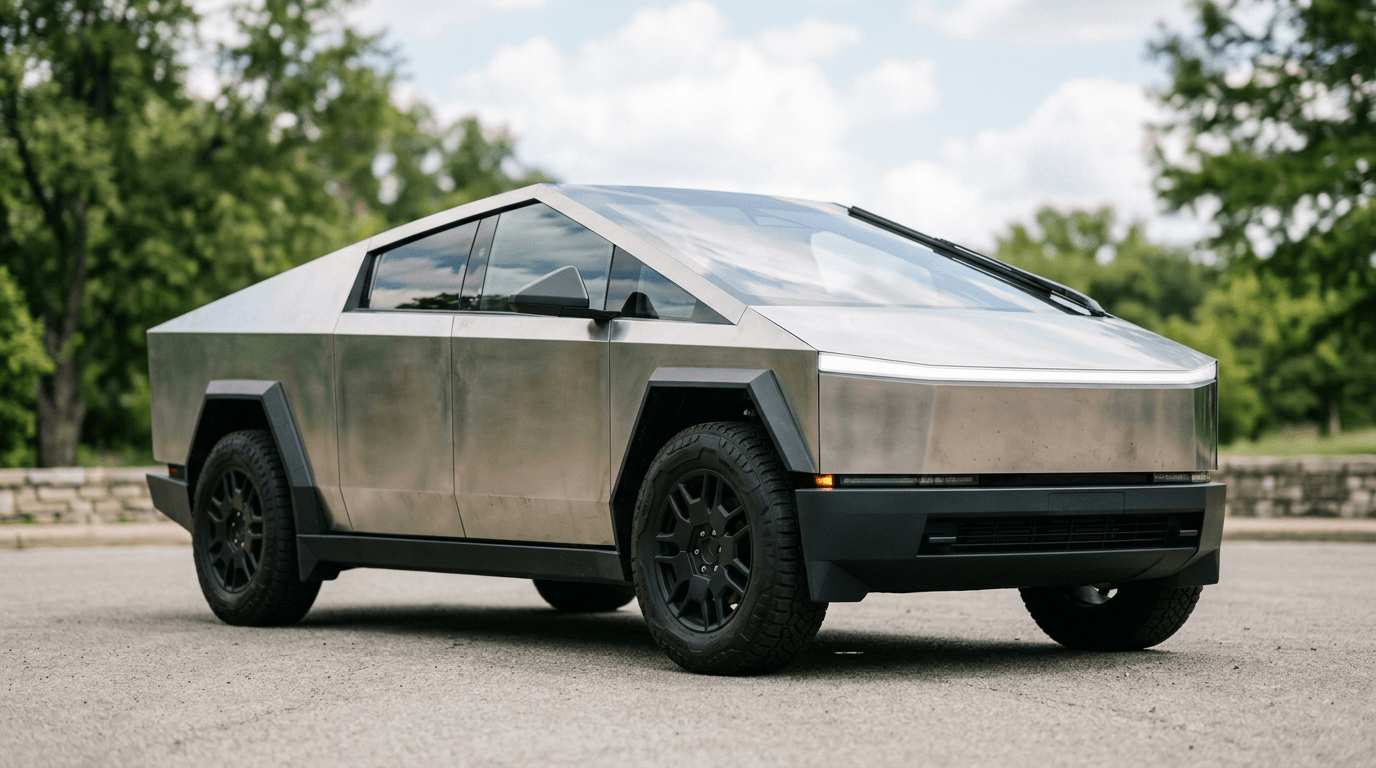
American retail investors holding Tesla stock in their brokerage accounts are facing a major shift in the company's long-term product strategy. Chief Executive Officer Elon Musk announced on X on November 6, 2026, that Tesla will wind down production of its highly publicized, stainless-steel Cybertruck at Gigafactory Texas around mid-2027. The manufacturing space will be repurposed to accelerate production of the two-seat autonomous Cybercab, shifting Tesla's primary focus from consumer electric pickups to AI and robotics.
This strategic pivot comes as global electric vehicle competition intensifies, particularly in Latin America, where Tesla has historically taken a back seat to Chinese rivals. While Tesla has expanded official operations to smaller neighboring markets like Uruguay and Chile, it still lacks an official corporate presence, dealership network, or factory in Brazil—the region's largest automotive market. Instead, Chinese giant BYD has dominated the Brazilian market, capitalizing on the country's surging demand for electrified transport. According to the Brazilian Electric Vehicle Association (ABVE), electrified vehicle sales in Brazil reached 223,896 units in 2025 and are projected to exceed 400,000 units in 2026. Local buyers wanting a Tesla must pay independent import fees and high tariffs, pushing the cost of a basic Model 3 past $100,000.
The decision to phase out the Cybertruck follows weak consumer demand and manufacturing complexities. According to estimates by Kelley Blue Book, U.S. Cybertruck sales dropped to 20,237 units in 2025—a 48% decline from the 38,965 units sold in 2024—and fell further to 11,586 units during the first nine months of 2026, far below Musk's original target of 250,000 annual units. Meanwhile, local initiatives in Brazil have tried to fill the EV vacuum; Brazilian startup Lecar, founded by entrepreneur Flávio Figueiredo Assis, has committed an investment of 870 million reais ($150 million) to build its own hybrid vehicle factory in Sooretama, Espírito Santo, targeting production by August 2026.
By abandoning the low-volume Cybertruck, Tesla is betting its future on autonomous driving liquidity. Gigafactory Texas will transition its heavy machinery to scale the Cybercab, aiming to lower production costs and establish a dominant position in the global robotaxi market before legacy automakers or Chinese competitors can scale their own self-driving fleets.
In your brokerage app
For retail investors with accounts at Fidelity, Schwab, or Robinhood, this production pivot directly impacts holdings of Tesla, Inc. (listed in New York), as well as broad exchange-traded funds with heavy allocations to the company, such as the Vanguard Consumer Discretionary ETF or the ARK Innovation ETF.


