
Social Media Platforms Fuel Brazil's Booming Illegal Wildlife Trade
Studies show tens of thousands of protected species are advertised across platforms like Facebook and TikTok, giving traffickers anonymity and wider reach.
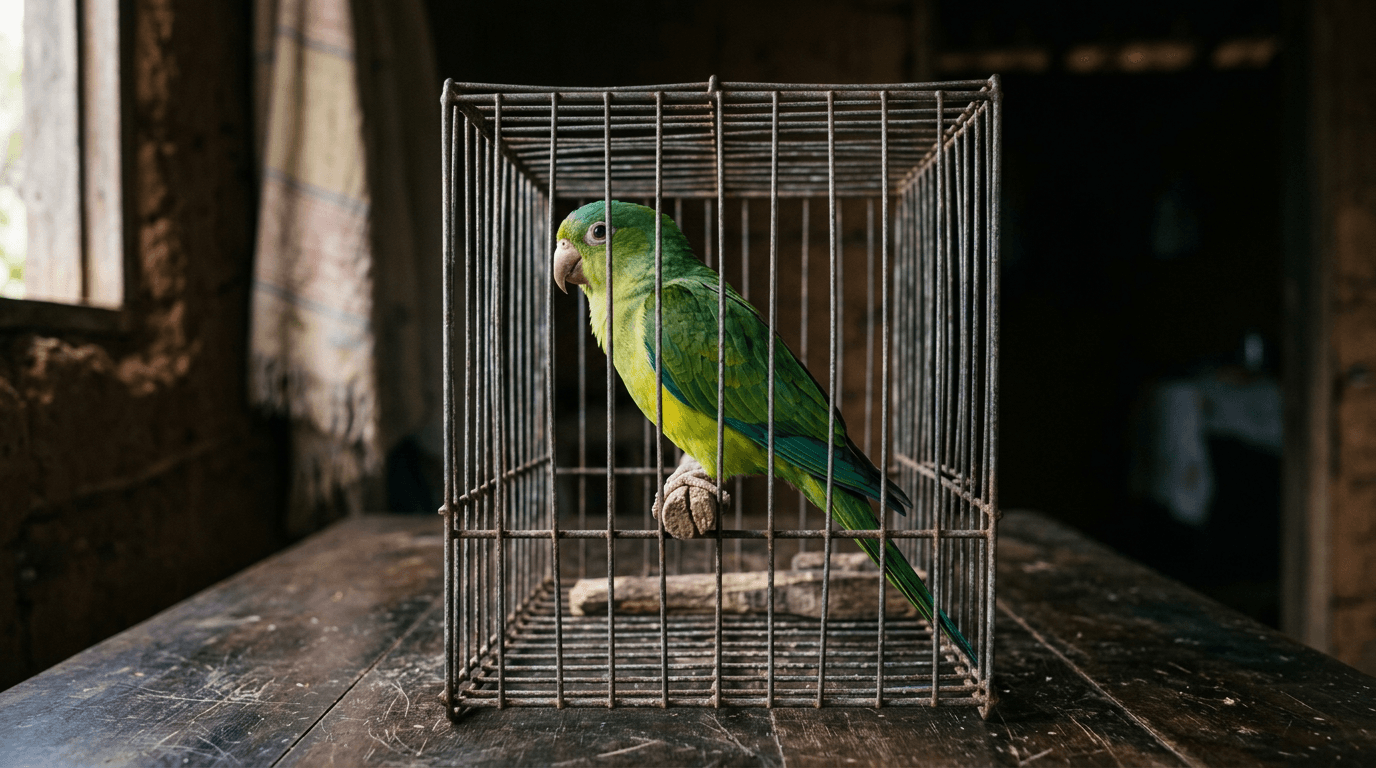
Illegal wildlife trafficking in Brazil, one of the world's most biodiverse nations, is accelerating its shift to social media platforms, providing criminals with anonymity and unprecedented reach, according to recent studies. This digital migration is actively fueling the loss of Brazilian fauna and flora.
A study tracking the phenomenon found that over 33,000 protected species were advertised across nearly 300 digital platforms, including popular social media sites and e-commerce portals. This new digital market, which uses platforms like Facebook, Instagram, and TikTok for advertising and often WhatsApp for closing the sale, has replaced traditional open-air markets, complicating the efforts of law enforcement. For instance, in one three-month monitoring period, 78% of all flagged advertisements for protected species in Brazil and South Africa were found on social media.
The anonymity afforded by these platforms is considered a major advantage for criminal organizations, who exploit the lack of platform-side enforcement and use the sites to easily connect poachers with national and international buyers. The illegal wildlife trade is consistently ranked as one of the largest forms of smuggling worldwide, trailing only drugs and arms trafficking, and it poses a severe threat to already vulnerable species and ecosystems across Brazil's vast territory.
Brazilian law enforcement has begun adapting to this digital challenge. In the state of Minas Gerais, police executed Operação Tráfico Digital (Digital Trafficking Operation) in May 2026, targeting an enterprise that used a major social media presence—an Instagram profile with over 580,000 followers—to peddle native and exotic animals. The operation led to the seizure of roughly 160 animals and uncovered evidence of document fraud, including the cloning and reuse of microchips and identification anklets to disguise the animals’ illegal origins.
The successful seizure in Minas Gerais underscores the immense challenge ahead: disrupting a deeply entrenched black market that has gone viral. Conservationists and officials are now pressuring technology companies to increase their vigilance and internal enforcement to block this commerce at the source, recognizing that without cooperation from the digital giants, law enforcement will struggle to keep pace with a crime that is literally posted in real time.
Latest articles
Agro · PRO
Brazil Beef Exports Slump on EU Ban While US Import Quota Boosts Cattle Price Outlook
Published
Investing · PRO
Brazil Ends Tax Arbitrage on Equity Payouts, Forcing Recalculation of Brazilian Equities Returns
Published
Investing · PRO
Brazil’s Supreme Court Upholds Decades-Old Limits on Foreign Ownership of Farmland
Published