New facial recognition mandate targets millions of mobile lines
Brazil's telecom regulator has ordered mandatory facial recognition for mobile users to combat fraud, introducing new compliance costs for operators.
Brazil's telecommunications regulator, Anatel, has enacted a sweeping security directive making facial recognition with "liveness" verification mandatory for mobile phone lines across the country. Issued on October 28, 2026, under Technical Norm GT-SEG.2026.11, the regulation targets both new activations and existing lines, requiring telecom operators to implement biometric verification for physical users and micro-entrepreneurs. The regulation is designed to curb rampant digital fraud, identity theft, and the unauthorized use of anonymously registered lines.
The regulatory timeline forces a phased technology integration for carriers operating in the country. Operators must implement facial recognition for all new prepaid line activations by September 30, 2027, and extend the system to new postpaid contracts, chip swaps, and porting requests by December 31, 2027. The final phase of the mandate requires carriers to biometrically re-register existing active users who have not yet been validated by December 31, 2028. Unverified mobile lines will face suspension starting in January 2029, followed by eventual cancellation.
Technical and Regulatory Hurdles
For telecommunications companies operating in Brazil, this mandate introduces substantial operational and technical requirements. Operators must deploy and maintain sophisticated "liveness" detection systems capable of thwarting advanced spoofing attempts, including deepfakes, printed photos, and synthetic media. The platforms must cross-reference user scans with pre-existing public or private databases while strictly adhering to Brazil's General Data Protection Law (LGPD).
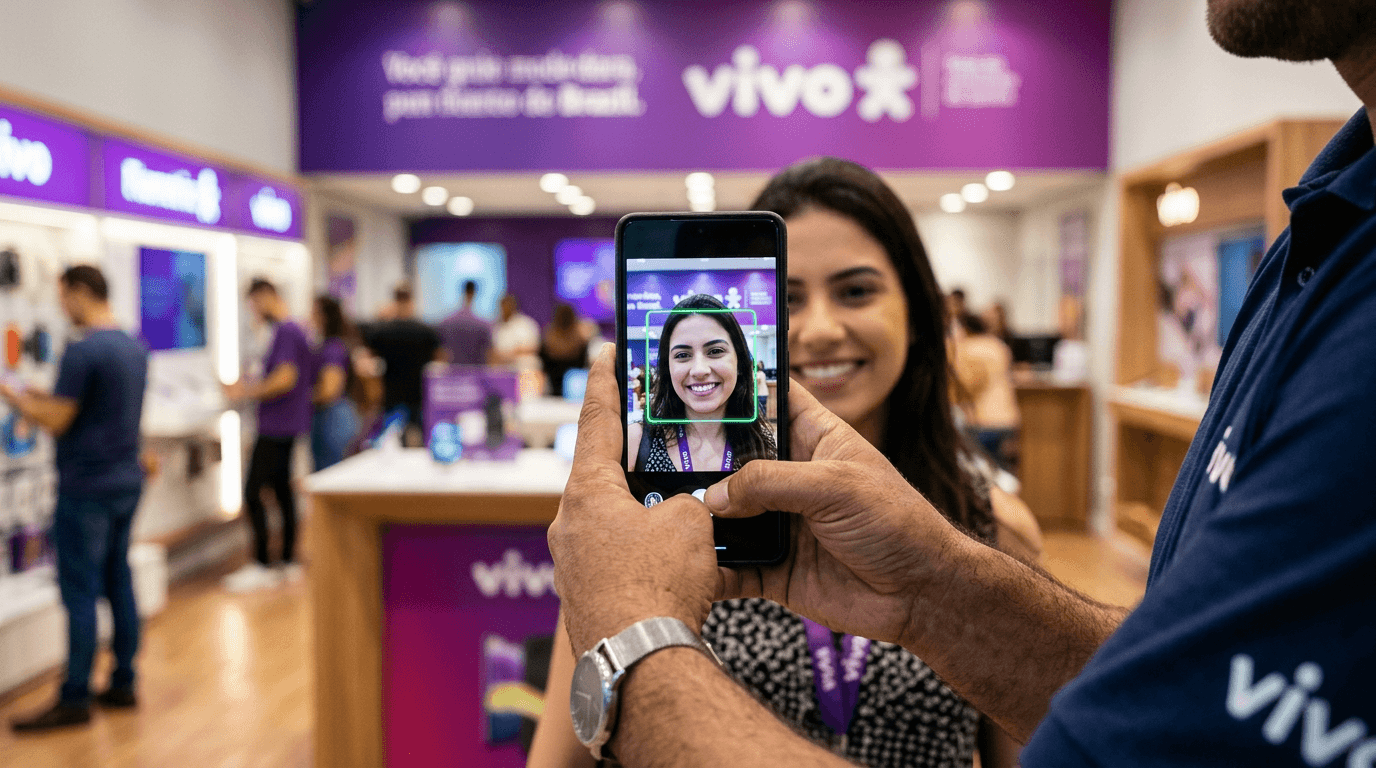
While the regulator frames this as a necessary step to combat cybercrime, the infrastructure and customer-support costs of verifying millions of users will be managed by the operators. This massive verification drive will require extensive outreach, app updates, and in-store staff training to handle physical verifications for customers without compatible smartphones.
Companies Mentioned
The new biometric mandate applies to all mobile service providers operating in Brazil. This includes Telefonica Brasil, which operates under the Vivo brand, and Mexico-based America Movil, which operates Claro in Brazil. Both companies face increased compliance and technology integration costs as they adapt their digital channels and physical retail networks to meet the phased deadlines through 2028.