
Meta's smart glasses face regulatory heat in Brazil after privacy bug
A resolved firmware bug that recorded conversations without user prompts has added fuel to an active investigation by Brazilian regulators into Meta's smart glasses.
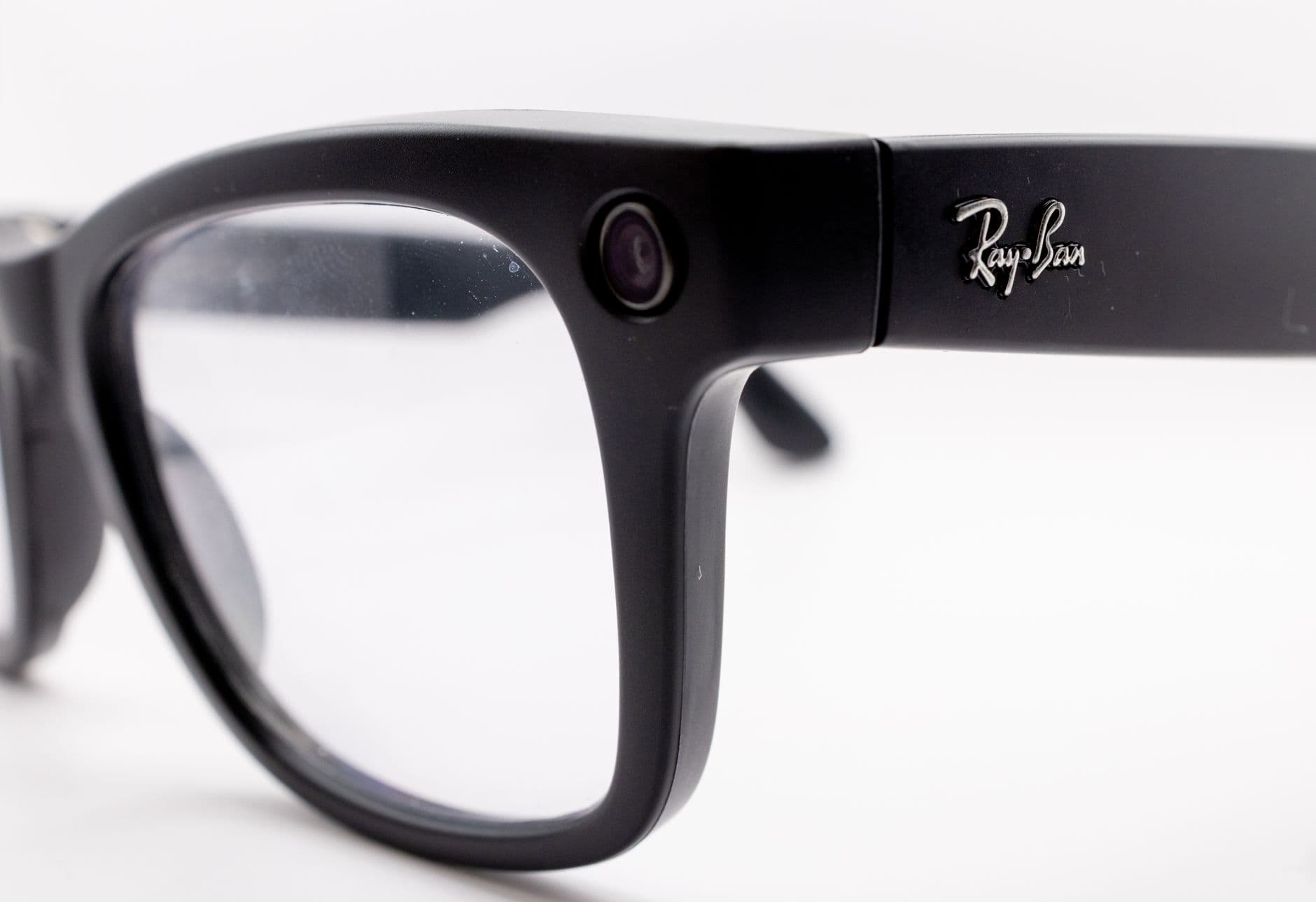
A newly resolved software glitch in Meta's popular smart glasses is creating fresh regulatory headwinds in South America. On October 13, 2026, Meta confirmed that it had resolved a firmware bug in its Ray-Ban Meta smart glasses that caused the devices to record audio and save text transcripts of user conversations without the "Hey Meta" wake phrase. The bug, which affected second- and third-generation models, triggered recording even when the wake-word setting was disabled.
While the tech giant quickly pushed a fix, the incident has added fuel to an active regulatory fire in Brazil, where consumer advocates and data watchdogs are already targeting the wearable tech. In August 2026, the Brazilian Institute for Consumer Defense (Idec) and the digital rights group Coding Rights filed a formal complaint with Brazil's National Data Protection Authority (ANPD) and federal prosecutors. The petition demanded coordinated federal investigations into the privacy risks of the smart glasses, alleging they violate the country’s General Data Protection Law (LGPD) and Consumer Protection Code.
The timing is highly sensitive for the social media giant. In September 2026, Meta announced plans to officially launch the Ray-Ban Meta smart glasses in Brazil soon, eyeing a lucrative consumer market. However, local regulators are scrutinizing the device's covert recording capabilities and how bystander data is collected without consent. Under Brazil's LGPD, which is heavily modeled on Europe's strict GDPR, companies face fines of up to 2% of their local revenue—capped at 50 million reais (approximately $9.3 million) per violation—for failing to secure user consent and maintain data transparency.
This is not Meta’s first clash with the ANPD, an independent public authority linked to Brazil's Ministry of Justice that has shown a willingness to aggressively police Silicon Valley. In July 2024, the ANPD issued an injunction suspending Meta’s local privacy policy update, which would have allowed the company to scrape public data from Facebook and Instagram to train its AI models. Meta was forced to suspend its generative AI tools in Brazil until it adjusted its policies to comply with the regulator's demands.
The latest audio-recording bug directly undercuts Meta's marketing defense that the glasses are "designed for privacy". Brazilian regulators are expected to use the technical failure as evidence that the device's hardware safeguards—such as the single LED light that blinks when recording—are insufficient to protect the public. The ANPD has not yet announced whether it will block the upcoming commercial launch or mandate physical product modifications before the glasses can be legally sold on Brazilian shelves.
In your brokerage app
Meta Platforms, Inc., listed in New York, is heavily exposed to global compliance risks as it rolls out its hardware-plus-AI ecosystem. Investors holding Meta stock directly or through broad-market exchange-traded funds, such as the Invesco QQQ Trust, should monitor how Brazil’s ANPD rules on the smart glasses, as the country represents one of Meta's largest global user bases and acts as a regulatory bellwether for Latin America.