
Diesel Shortage Risk Forces Brazilian Biodiesel Producers to Push for Higher Blends
A record gap between Petrobras's domestic diesel price and international rates is creating a supply risk, leading industry groups to lobby for an immediate increase to a B17 biodiesel mandate to shore up domestic supply.
The risk of a diesel fuel shortage in Brazil is accelerating industry and government calls to increase the mandatory blending of biodiesel into fossil diesel, creating a sudden demand catalyst for domestic producers. The alert follows a record-high price difference between the diesel sold by state-controlled Petrobras and the fuel's cost on the international market, which has deterred private importers at a critical time for the nation’s supply chain.
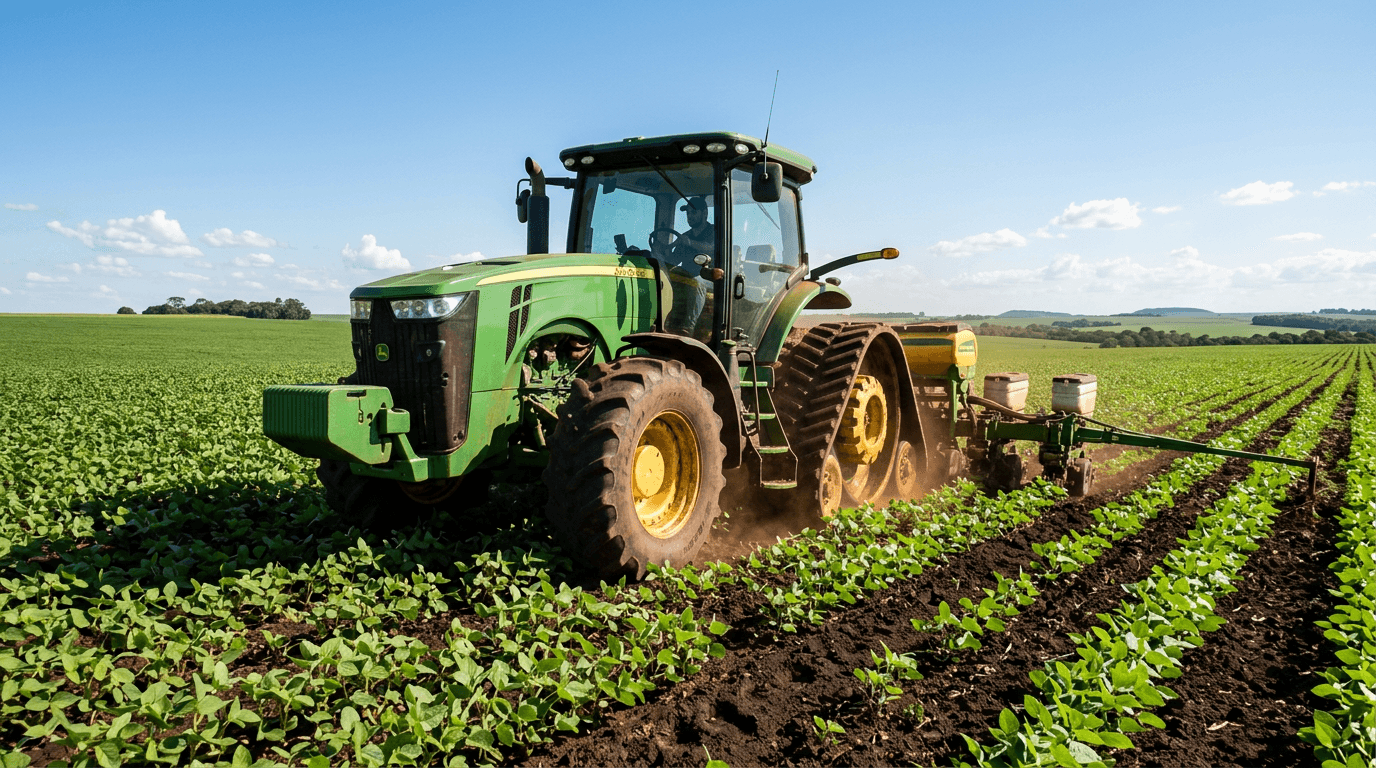
The price gap between Petrobras’s domestic price and the international import parity price (PPI) has recently reached R$ 3.89 per liter, according to the Brazilian Association of Fuel Importers (Abicom). Because Brazil still relies on imports for about 25% of its national diesel consumption, this financial disincentive for private importers directly threatens supply, especially as the nation’s refineries are already operating close to full capacity. The timing is especially sensitive because the reduced imports coincide with the launch of the crucial summer planting season in the southern agricultural states, where farmers rely heavily on diesel for machinery.
In response, the Brazilian Biodiesel Producers’ Association (APROBIO) has launched a dual strategy to boost domestic resilience and reduce the reliance on imported fossil fuels. The group is advocating for the immediate, voluntary adoption of blends higher than the current 15% (known as B15) for closed fleets, such as public transport, rail services, and, crucially, agricultural machinery. This voluntary increase is now permitted under the recent Lei do Combustível do Futuro (Future Fuel Law).
Simultaneously, the industry is pressuring the government to accelerate the regulatory timeline for the next mandatory blend increase from B15 to B17. APROBIO estimates that moving to B17 would add an additional 125,000 cubic meters of national biodiesel to the market each month, which is the equivalent of replacing three to four imported ships of fossil diesel. The sector maintains it is fully capable of meeting the sudden surge in demand, citing substantial idle capacity and readily available feedstock, primarily soybean oil, from the nation's massive agricultural output.
The decision now rests with the government and the National Agency of Petroleum, Natural Gas and Biofuels (ANP), which monitors the national fuel supply. The necessity to secure supply for the summer agricultural output, coupled with the record price instability created by the import gap, puts immediate pressure on regulators to move forward with the B17 mandate to stabilize the market.
What it touches
The policy debate directly impacts the renewable fuels sector in Brazil, which benefits from increased mandatory blends. The move would also further cement the connection between the nation's massive agro-commodities complex, particularly soybean crushing operations, and its energy matrix, as higher biodiesel mandates increase demand for the oil used as feedstock.