
CADE Clears OceanPact-CBO Merger, Creating Brazil’s Second-Largest Offshore Marine Services Giant
Brazil's antitrust regulator approved the OceanPact and CBO merger, forming a 73-vessel company poised to capture larger oil and gas contracts.
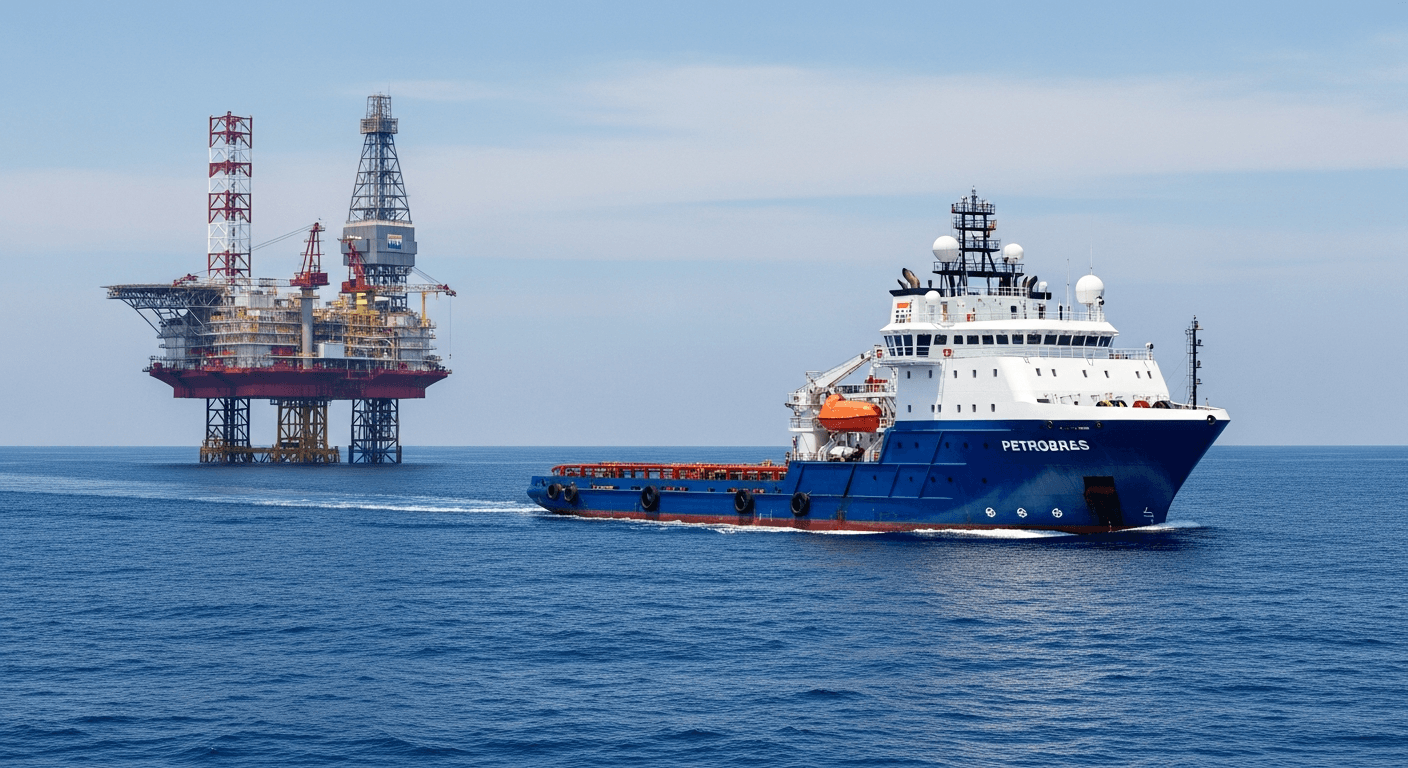
Brazil’s Administrative Council for Economic Defense (CADE) has given its unconditional approval to the merger between OceanPact Serviços Marítimos (OPCT3) and Companhia Brasileira de Offshore (CBO), removing the main regulatory hurdle for the formation of a new powerhouse in the country’s crucial offshore energy sector. The General Superintendence of CADE approved the deal without restriction on July 27, paving the way for the two companies to finalize a transaction that will create a combined entity operating a fleet of 73 vessels. The final closing is contingent on formal requirements, with company executives expecting the full integration to be completed by the end of August or early September.
For a foreign audience, understanding CADE is critical: it is the Brazilian government’s antitrust authority, tasked with preventing market concentration, and its no-restriction ruling suggests the new entity does not raise serious competitive concerns despite its scale. The combined company is positioned to be the second-largest marine services provider in Brazil and the fifth-largest globally, primarily serving the country’s vast deep-water oil and gas fields, including the massive pre-salt reserves. The strategic rationale behind the merger is to capture operational efficiencies and increase the technical capability necessary to bid for larger, more complex contracts from state-controlled oil giant Petrobras, the main client in the sector.
The new entity will bring together two complementary fleets of offshore support vessels (OSV) that handle everything from towing rigs to transporting supplies and maintenance personnel. With a combined annual revenue expected to exceed $778 million and a backlog of approximately $2.7 billion, the sheer scale offers competitive advantages that the companies will leverage. Company executives have also pointed to expanded opportunities in specialized areas such as subsea operations, decommissioning of older fields, and new environmental services, which are set to become key growth drivers as Brazil's oil infrastructure ages and regulatory demands increase.
OceanPact's CEO, Flavio Andrade, who will lead the combined entity, along with CBO CEO Marcos Tinti, who will oversee the navigation segment, are now focused on the final phase of integration. This final step requires the fulfillment of remaining customary conditions, including approval from shareholders and creditors of CBO’s holding company, which is to be incorporated into OceanPact. Once completed, the newly formed marine services giant will immediately become one of the most dominant operators supporting production growth in the Brazilian Atlantic.
What it touches The merger directly impacts the shares of the combined, publicly traded entity, OceanPact Serviços Marítimos (OPCT3), which is listed on the B3 stock exchange in São Paulo. It also touches the broader Brazilian Offshore Oil & Gas Services sector by increasing concentration and scale, and indirectly affects the business outlook for the sector’s primary customer, Petrobras (PETR4), by changing the competitive landscape for its essential vessel contracts.