
US Tariffs and Political Blame Game Intensify US-Brazil Trade Tensions
A new 25% US tariff on thousands of Brazilian goods has sparked a political feud and threatens an estimated 18% of Brazil's exports to the US.
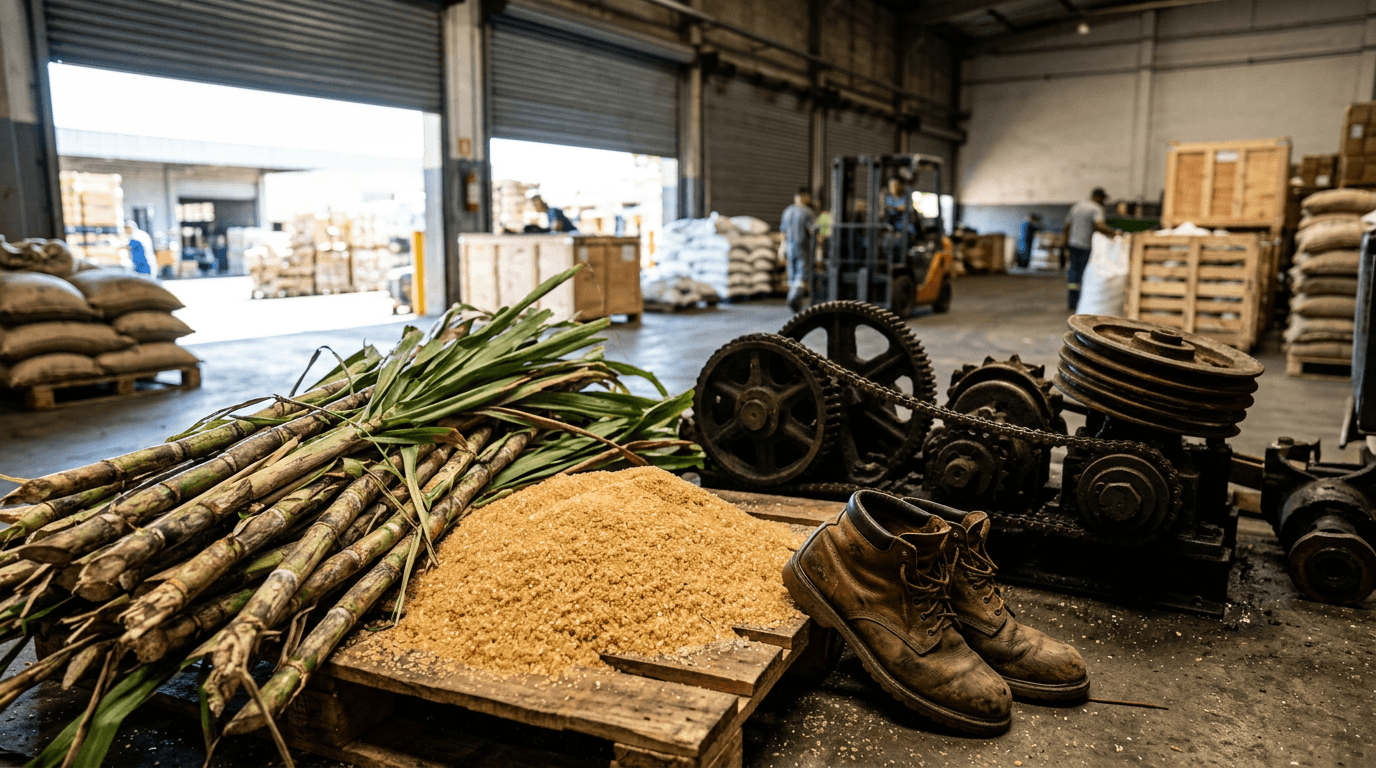
The United States has dramatically escalated trade tensions with Brazil by imposing a new 25% tariff on thousands of Brazilian products, measures that are fueling a political blame game ahead of Brazil’s national election and injecting fresh uncertainty into the economic outlook for South America's largest economy. The tariffs, which took effect in July following an investigation under Section 301 of the U.S. Trade Act of 1974, are currently expected to affect nearly a fifth of Brazil's total exports to the United States, an estimated $7.4 billion worth of goods in sectors like ethanol, machinery, footwear, and sugar. While key Brazilian exports, including coffee, beef, and orange juice, were specifically exempted, the action has placed the bilateral relationship between the two largest economies in the Americas under severe strain.
The immediate political fallout has been sharp and personal. Brazil’s President Luiz Inácio Lula da Silva and his government have condemned the measures as "unfair and unjustified," triggering a mechanism under Brazil's "Reciprocity Law" and signaling an intent to revisit the matter within the World Trade Organization (WTO) framework. Simultaneously, U.S. Secretary of State Marco Rubio openly blamed the Brazilian president for the dispute, accusing the Lula government of not negotiating in good faith and stating that the tariffs were the price for Lula "put[ting] his own ego ahead of making a deal for the welfare of the Brazilian people." This public row highlights the political undercurrents of the trade dispute, with President Lula seeking re-election against an opponent, Flávio Bolsonaro, who is a known ally of the Trump administration that imposed the duties.
The U.S. Trade Representative (USTR) justified the action by citing alleged unfair trade practices by Brazil related to digital trade, intellectual property, ethanol market access, and illegal deforestation, following a year-long probe. The Brazilian government, however, vehemently rejected the allegations, arguing the move is politically motivated and noting its track record of reducing deforestation and defending its national digital payment system, PIX, which has been cited in the USTR’s complaint. The use of the Section 301 investigation, which permits tariffs outside of traditional anti-dumping proceedings, signals a broader U.S. strategy to use trade action to challenge policies it views as restrictive to American business.
The next flashpoint in the escalating trade dispute will be at the G20 meeting, where U.S. and Brazilian officials are scheduled to resume tariff talks at the end of September. Brazil's negotiating team is expected to focus on insulating national companies from the negative effects while signaling its readiness to apply reciprocal measures if a diplomatic solution is not found. The outcome of these high-level discussions will determine whether the political rhetoric can be calmed or if the dispute will devolve into a protracted, mutually damaging trade war between the two nations.
What it touches The new US tariffs create significant uncertainty for exporters and are expected to negatively impact Brazilian sectors highly reliant on the American market, including manufacturing (machinery, footwear) and parts of agribusiness (sugar and ethanol). The immediate imposition of tariffs on thousands of products raises the cost of doing business and may force affected firms to quickly seek alternative buyers or shift production capacity, a move that could pressure industrial output and employment in the short term.
Related coverage
Politics
Lula Kicks Off UN General Debate with Call for Multilateralism and Security Council Overhaul
Published
Politics · PRO
Federal Prosecutors Seek to Suspend Petrobras’ Amazon Oil Discovery License
Published
Politics
Presidential Candidate Caiado Proposes Hard-Line Fiscal Cap, Targets Congressional Amendments to Lower Brazil Interest Rates
Published