
Lula Kicks Off UN General Debate with Call for Multilateralism and Security Council Overhaul
Brazil's President Lula will open the 81st UN General Assembly, focusing on global cooperation, conflict, and UN reform.
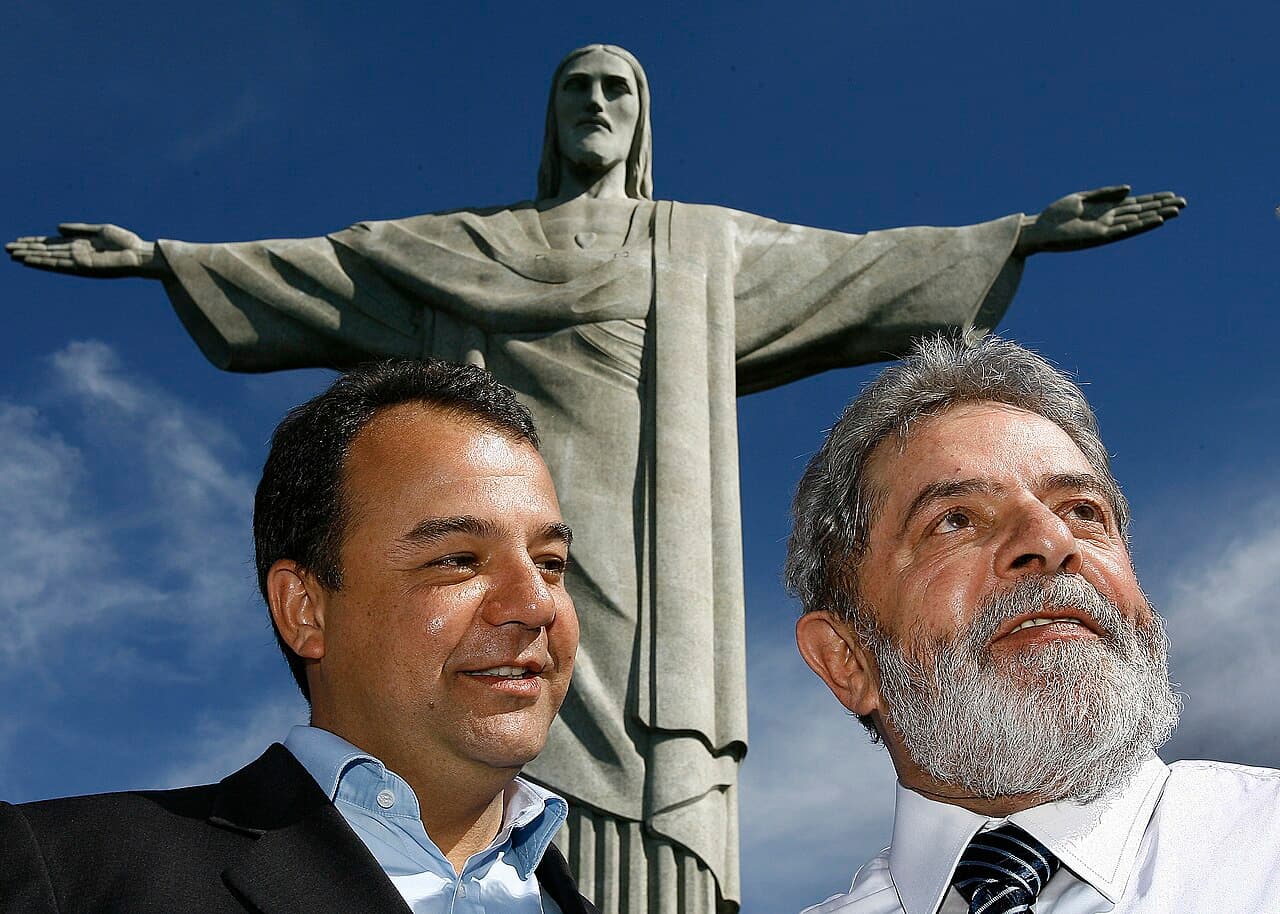
Brazilian President Luiz Inácio Lula da Silva will open the 81st United Nations General Assembly (UNGA) General Debate in New York on Tuesday, using the highly visible platform to push for a complete overhaul of global governance, arguing that the current multilateral system is failing to resolve conflicts and address global crises. Continuing a tradition for Brazil to be the first speaker at the annual summit, President Lula is expected to forcefully advocate for diplomatic solutions over military intervention, and to renew his long-standing call for the United Nations Security Council to be expanded to better reflect the geopolitical reality of the 21st century.
The push for UN Security Council reform has been a centerpiece of Brazil's foreign policy for years, and a signature theme of Lula's return to the presidency. The president and his diplomats have consistently criticized the Council's five permanent members—China, France, Russia, the UK, and the US—for using their veto power, which, in his view, has led to a "complicit inaction" in conflicts from Ukraine to Gaza. Brazil, which has repeatedly held a non-permanent seat on the Council, sees itself as a key candidate for a permanent position, arguing that a country of its size and geopolitical importance deserves a greater voice in global security decisions.
Lula’s address will focus heavily on multilateralism, a strategy the Brazilian government views as essential to counter what it perceives as the rising threat of unilateral actions by major powers. His comments are expected to champion sovereignty and non-interference, particularly as they apply to national domestic affairs. Key topics will include Brazil's leadership in the Global Alliance Against Hunger and Poverty, the protection of the environment—including the Amazon rainforest—and the international fight against organized crime groups like the PCC and Comando Vermelho, which have become a point of friction with countries like the US.
For an international audience, the speech offers a clear outline of Brazil’s diplomatic strategy and its ambition to play a larger role in world affairs, positioning itself as a leader of the Global South. The visit comes just weeks ahead of a crucial domestic election, adding a political dimension to the address. Lula’s domestic opponents argue that his focus on multilateral institutions and balancing relationships between the US and China is a distraction, while his supporters view it as a necessary defense of Brazil's economic and political interests as the world re-evaluates the value of its vast territorial assets, including critical minerals and the Amazon.
Following his address on Tuesday, Lula is scheduled to return to Brazil, wrapping up a short but strategically important visit that sets the tone for his government’s foreign policy priorities for the year ahead. The ultimate metric of success for his speech will be not only the reception in the General Assembly Hall, but whether his high-profile advocacy manages to inject new momentum into the stalled conversation around UN Security Council reform.
Related coverage
Politics · PRO
Federal Prosecutors Seek to Suspend Petrobras’ Amazon Oil Discovery License
Published
Politics
Presidential Candidate Caiado Proposes Hard-Line Fiscal Cap, Targets Congressional Amendments to Lower Brazil Interest Rates
Published
Politics · PRO
Presidential Candidate Caiado Targets Congressional Power, Proposes Zeroing Mandatory Spending for Selic Rate Cut
Published