Brazil's $5.2 billion green fleet program targets rideshare drivers
Brazil's state-backed development bank BNDES has deployed R$ 6.9 billion under its "Move Brasil" program to subsidize eco-friendly vehicle purchases.
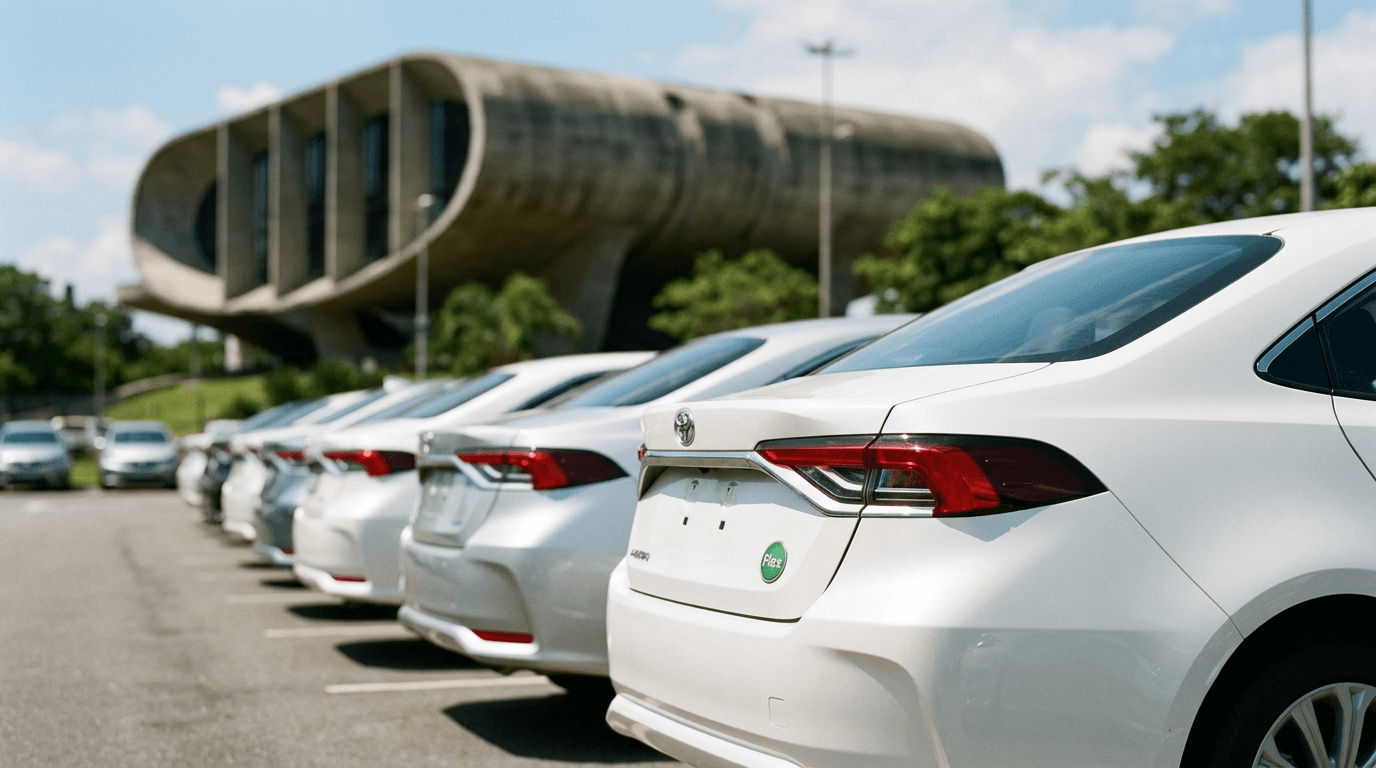
For global rideshare platforms operating in emerging markets, the cost of keeping drivers on the road is a constant bottleneck to local growth. High domestic interest rates often prevent gig-economy workers from upgrading to newer, fuel-efficient cars, forcing them into expensive rental agreements that eat away at their daily margins.
To break this cycle, Brazil's federal government is scaling up its "Move Brasil – Táxi e Aplicativos" program, a massive credit initiative designed to transition transport workers into vehicle ownership. According to data released by the state-backed development bank BNDES on October 28, 2026, the program has approved and contracted R$ 6.9 billion (approximately $1.2 billion) in credit, financing 65,800 vehicles since its inception.
The program, which has a total authorized funding pool of R$ 30 billion ($5.2 billion), was officially made permanent on September 14, 2026, when President Luiz Inácio Lula da Silva signed the formal legislation into law. The subsidized credit is channeled through BNDES and partner financial institutions to help registered taxi drivers, school transport operators, and rideshare drivers purchase new or semi-owned vehicles.
Easing Borrowing Barriers
To qualify for the program, drivers must have an active registration on a rideshare platform for at least six months. Under the updated rules authorized by the government, eligible drivers can finance vehicles priced up to R$ 200,000 (approximately $34,800) with repayment terms extending up to 84 months.
The Ministry of Finance and the National Monetary Council have structured the program to offer highly competitive interest rates compared to standard commercial loans. Female drivers receive a subsidized rate of 11.5% per year, while male drivers are offered 12.6% per year. To align the credit expansion with national environmental goals, the financing is restricted to eco-friendly vehicles, including electric models, hybrids, and flexible-fuel vehicles running on ethanol.
Political and Operational Hurdles
This targeted credit expansion represents a strategic effort by the Lula administration to address labor pressures and stimulate domestic auto manufacturing. However, the program has faced operational bottlenecks. The R$ 6.9 billion deployed as of late October 2026 represents about 23% of the total R$ 30 billion allocation.
Government officials and industry representatives have pointed to low private bank participation and strict credit analysis as key barriers preventing wider driver adoption. Because many gig-economy workers lack formal employment contracts or have negative credit histories, traditional commercial banks remain hesitant to approve the subsidized loans.
For global rideshare platforms, the long-term success of the program depends on whether financial institutions can streamline credit approvals for underbanked drivers, allowing a larger portion of the fleet to transition away from high-cost rental models.