US visas for Flávio Bolsonaro spark diplomatic friction with Brazil
The U.S. State Department’s decision to grant entry visas to defeated Brazilian presidential candidate Flávio Bolsonaro has created legal and diplomatic tensions.
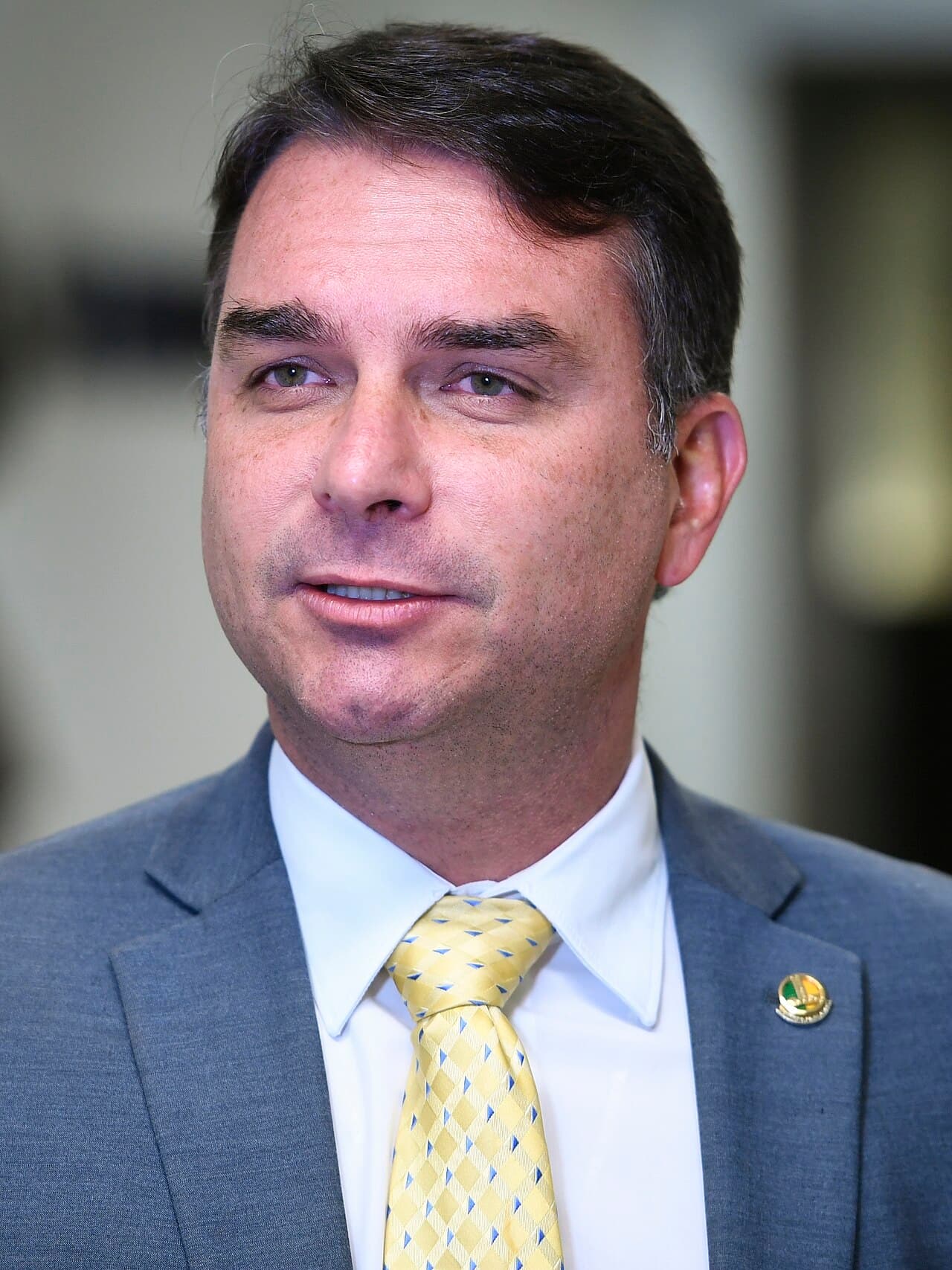
The U.S. State Department has authorized entry visas for defeated Brazilian presidential candidate Senator Flávio Bolsonaro and his family, creating a fresh diplomatic flashpoint between Washington and Brasília. A senior U.S. official confirmed the visa approval on October 27, 2026, as reported by The Associated Press, just as the 45-year-old politician was departing Brazil in defiance of a Supreme Court travel ban.
The high-profile departure concluded on Wednesday morning, October 28, 2026, when Bolsonaro, his wife, and their two daughters landed at Miami-Opa Locka Executive Airport on a private Gulfstream jet, according to Reuters. Argentine migration officials confirmed that the family had crossed from Brazil into Argentina by land on Tuesday night using valid travel documentation before boarding a charter flight that stopped in Guayaquil, Ecuador, to bypass Brazilian airspace.
The flight followed a direct order from Brazilian Supreme Court Justice Alexandre de Moraes on Monday, October 26, 2026, instructing Bolsonaro to surrender his passports within 24 hours. The senator is a central figure in a federal money laundering and tax evasion investigation, as detailed by The Associated Press. Bolsonaro has denied all allegations of wrongdoing, calling the judicial orders a form of political intimidation.
This sudden exit mirrors the actions of his father, former President Jair Bolsonaro, who similarly flew to Florida following his 2022 electoral defeat. The elder Bolsonaro is currently serving a 27-year prison sentence under house arrest in Brazil for plotting a coup, a term that began in late 2025 as reported by The Associated Press. President Luiz Inácio Lula da Silva, who won the October 25, 2026, runoff election with 51.8% of the vote according to official electoral court results, publicly criticized the escape on Wednesday, calling the U.S. decision to grant the visas "shameful."
Macroeconomic stability remains intact
The U.S. decision to grant the visas threatens to strain bilateral relations and complicate future extradition discussions between the two largest economies in the Americas. While the U.S. State Department has historically maintained a neutral stance on Brazil's internal legal matters, the immediate issuance of visas to a political figure actively defying a Supreme Court mandate introduces a new layer of political friction.
Despite the escalating political drama, Brazil's core macroeconomic indicators have shown resilience. On October 28, 2026, the Brazilian Real traded at 5.34 per U.S. dollar, recovering from an initial post-election slide to 5.60, as reported by Trading Economics. Meanwhile, the benchmark CDI interest rate remains stable at 13.65% a year, according to central bank data compiled by Plutocrata, reflecting the Central Bank of Brazil's current benchmark Selic rate of 13.75%.