
Supreme Court Crisis Fuels Flávio Bolsonaro’s Surge Over Lula in Brazil Presidential Race
An unprecedented institutional crisis in Brazil’s Supreme Court involving Justice Alexandre de Moraes has driven challenger Flávio Bolsonaro into the lead in presidential prediction markets.
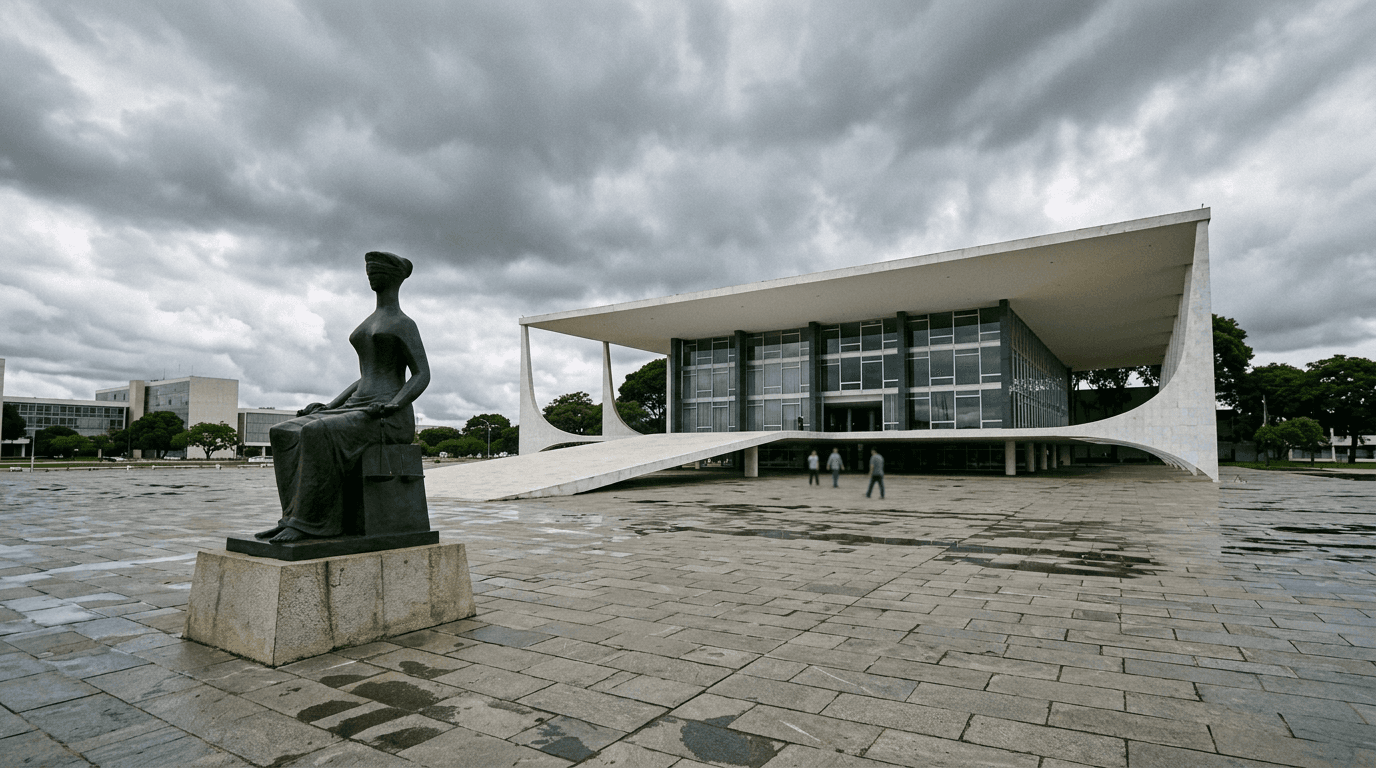
An escalating internal crisis at Brazil’s Supreme Federal Court (STF) has propelled challenger Flávio Bolsonaro, the son of former President Jair Bolsonaro, into the lead over incumbent Luiz Inácio Lula da Silva in prediction markets for the October presidential election. The political risk associated with institutional instability is now a primary driver of the domestic outlook.
The shift in electoral probabilities is directly tied to a corruption probe that has engulfed one of the court’s most powerful members, Justice Alexandre de Moraes. The crisis began in early September when Justice André Mendonça, a Bolsonaro appointee, unsealed police documents linking Moraes to Daniel Vorcaro, the disgraced former owner of the collapsed Banco Master. The documents suggest Vorcaro sought advice from Moraes, a fact that follows revelations that Moraes’s wife’s law firm had a substantial contract with the bank.
The fallout has caused a public and bitter feud between the two justices, with each demanding investigations into the other, deepening a crisis that analysts call dangerous for Brazilian democracy. For the right-wing opposition, the scandal involving Justice Moraes—who led the investigations that resulted in the conviction and imprisonment of former President Jair Bolsonaro—is a critical political weapon that has energized the base and driven the challenger's support. For a foreign audience, Justice de Moraes is known for his aggressive role in high-profile anti-fake-news and anti-coup investigations, which drew frequent criticism from the political right.
Prediction markets like Polymarket now show Senator Flávio Bolsonaro ahead of Lula da Silva, a dramatic reversal after the incumbent held a significant lead for months. While traditional polls show the two candidates in a statistical tie, the market movement indicates a belief that the Supreme Court crisis is shifting the political landscape decisively. The challenger's campaign has sought to capitalize on this momentum by presenting a clear contrast in economic policy.
Bolsonaro’s campaign has proposed a new fiscal framework centered on a public debt ceiling. The plan, viewed favorably by fiscally conservative investors, would automatically trigger spending cuts and potentially freeze the growth of real federal spending if the gross public debt-to-GDP ratio crosses a set threshold, such as 80%. This proposal provides a concrete, market-friendly alternative to the Lula administration's current fiscal rules, offering a promise of tighter financial discipline.
What it touches
The sudden and significant shift in presidential election odds, fueled by the institutional crisis, is reportedly commanding market focus over typical concerns like global instability or high domestic interest rates. The hope for a future administration that implements a more stringent fiscal policy, such as Flávio Bolsonaro’s debt-linked spending cap, is adding a political risk premium to Brazilian assets, particularly sovereign bonds and the real.
Related coverage
Politics · PRO
Brazil Finance Minister Asks Supreme Court to Halt Congress Spending Bills
Published
Politics · PRO
Internal Resistance From Top Brass Defused Bolsonaro’s 2022 Coup Plot, Police Records Show
Published
Politics
Lula Demands Full Transparency in Banco Master Scandal, Calls It Brazil’s ‘Biggest Financial Crime’
Published