
Supreme Court Crisis Amplifies Election Risk as Dino Delays Decision on Moraes Probe
A request for review by Brazil Supreme Court Minister Flávio Dino has paused a key investigation into colleague Alexandre de Moraes, delaying a decision until after the October presidential election.
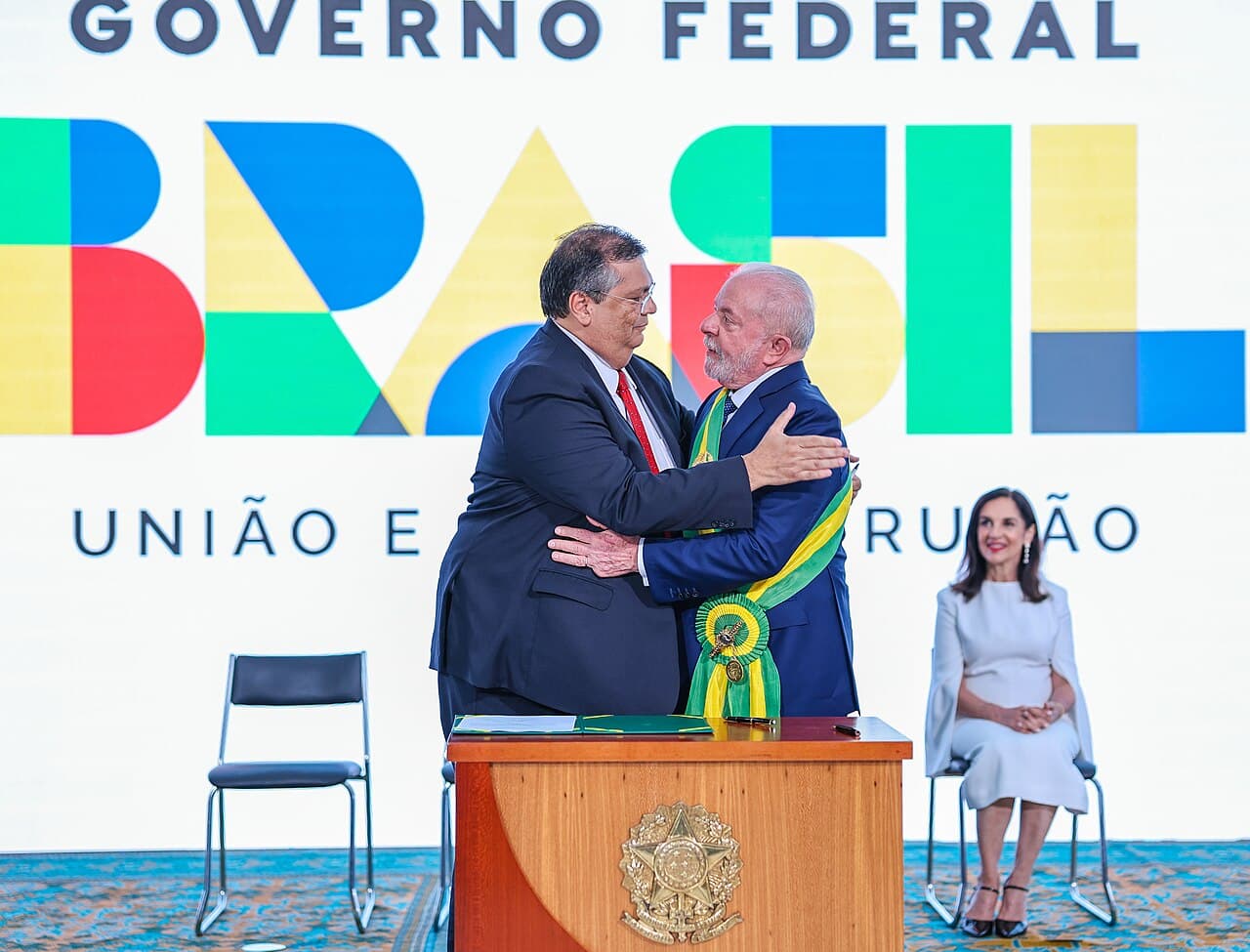
The institutional crisis roiling Brazil’s highest court escalated this week after Supreme Court (Supremo Tribunal Federal, STF) Minister Flávio Dino invoked a procedural maneuver to halt a high-stakes judgment concerning an investigation into his colleague, Minister Alexandre de Moraes. Dino requested a pedido de vista—a formal request for more time to review the case—on Tuesday, September 15, 2026, effectively postponing a decision until after the critical October presidential election.
The mechanism allows Minister Dino up to 90 days to return the case to the full court, meaning the final deliberation on the matter is now unlikely to occur before December, well past the election period. The case itself centers on whether to open a formal probe into Minister de Moraes over his alleged links, including leaked messages and an expensive consulting contract, to Daniel Vorcaro, the jailed former owner of Banco Master, who is facing fraud charges.
The dramatic adjournment came at the end of a session marked by ferocious, televised arguments and personal insults traded between several justices, a public spectacle that led Minister Cármen Lúcia to apologize to the Brazilian people for the degradation of the court's image. Dino, who himself criticized the chaotic handling of the session, was nominated to the STF by President Lula (Luiz Inácio Lula da Silva) after serving as his Minister of Justice.
The political implications for the Brazil election are immediate, as analysts view the delay as a negative political event for the current administration. The move, by a Lula appointee, reinforces a narrative of blindaje (shielding) that links the Planalto (presidential palace) to the Brazil Supreme Court, a narrative the opposition is using to its advantage. For foreign observers, the prolonged uncertainty and the perception of political maneuvering at the highest judicial level contribute to increased sovereign risk, complicating the business environment in Brazil.
The case, which also involves opposition candidate Flávio Bolsonaro in an ancillary role, now remains frozen while the country heads to the polls. When Dino returns the case, the court will first decide on a procedural matter—whether to unify the investigation into Moraes with a related one involving Minister André Mendonça—before they can even decide on the merit of opening the investigation itself. The political storm over the court’s integrity will thus continue to dominate headlines, ensuring that institutional instability remains a central risk factor for the remainder of the year.
What it touches
The perceived institutional crisis and the resultant political uncertainty ahead of the election are cited by analysts as a factor increasing the perceived risk premium on Brazilian assets. This exposure is concentrated in Brazil’s sovereign instruments, including the foreign exchange rate (USD/BRL) and the benchmark Ibovespa (IBOV) stock index, which are susceptible to abrupt shifts in the political landscape.
Related coverage
Politics
Brazil Electoral Court Bans Use of Bolsonaro’s Image Suggesting Current Campaign Support
Published
Politics · PRO
Public Infighting Among Justices Exposes Deep Crisis in Brazil Supreme Court Ahead of Election
Published
Politics
Brazil’s Landmark VAT Reform Enters Mandatory Test Phase, Demanding Immediate Operational Overhaul for Companies
Published