
STF President Fachin Intervenes to Isolate Crisis Between Justices Moraes and Mendonça
Brazil’s Supreme Court President separated an investigation request to de-escalate an unprecedented public conflict between two key justices.
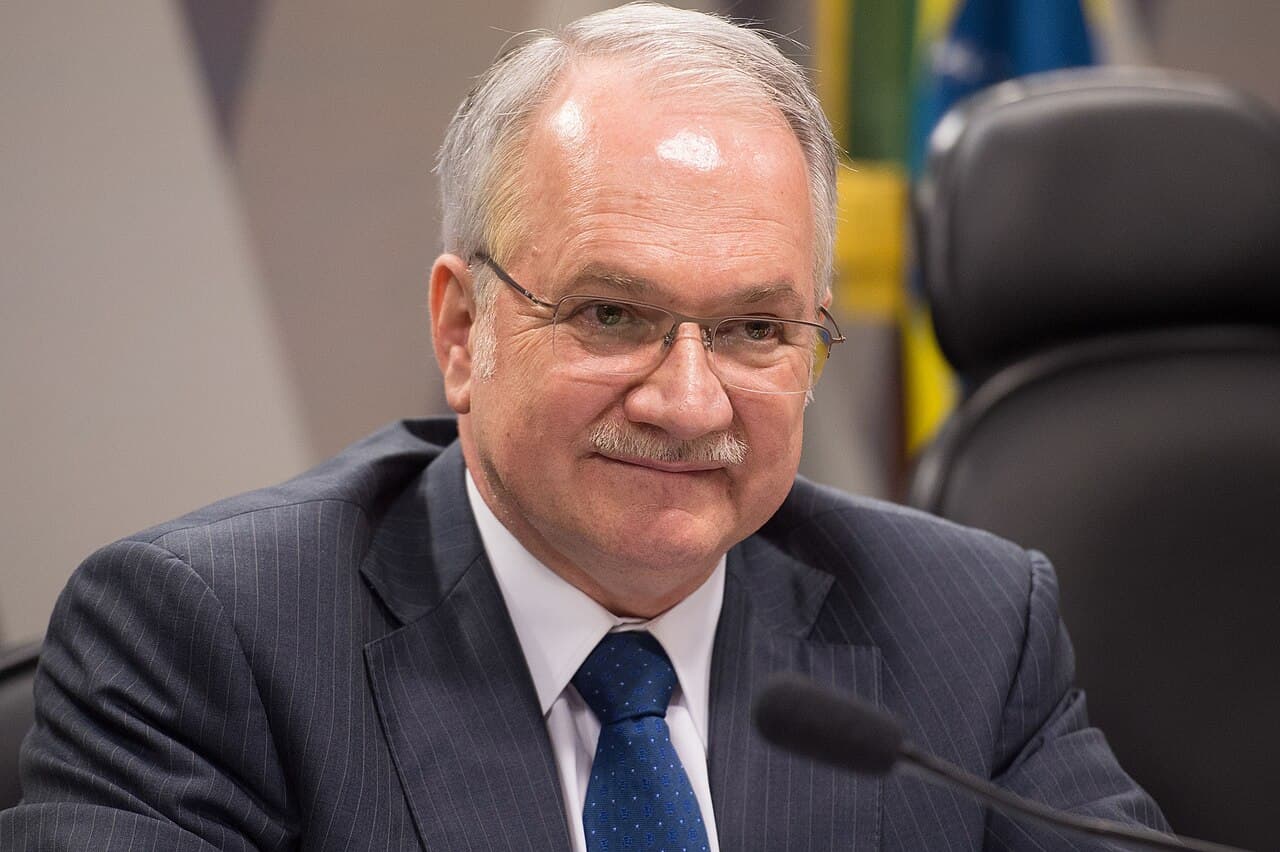
The President of Brazil's Supreme Federal Court (STF), Justice Edson Fachin, has moved to contain an unprecedented public crisis within the country’s highest judicial body, removing a request for investigation filed by Justice Alexandre de Moraes against his colleague, Justice André Mendonça, from the original case files. The decision isolates the escalating internal conflict, which has been driven by a series of aggressive public maneuvers by both sides, into a new, separate procedure that Fachin will oversee directly. The intervention is a clear attempt to de-escalate a dispute that has been a significant driver of political risk in Brasília and threatened the court's institutional stability.
The dramatic move came after Justice Moraes, who is the powerful rapporteur for the controversial "Fake News Inquiry," asked Fachin to open an investigation against Mendonça, a justice appointed by former President Jair Bolsonaro. Moraes based his request on Federal Police reports that allege Mendonça engaged in administrative misconduct, abuse of authority, and a lack of judicial impartiality in his handling of other major cases, including those related to the Banco Master financial fraud investigation. Mendonça, in turn, had recently unsealed a separate police report, which was a key escalation point, revealing messages that suggested a close, improper relationship between Moraes and a disgraced banker central to one of the corruption probes.
Fachin, now overseeing the new case procedure, has placed both justices, along with the Prosecutor General (PGR) and the Federal Police Director-General, under a five-day deadline to submit their views and clarifications on the allegations and the regularity of the investigation requests. By taking the dispute out of the Fake News Inquiry—a vast, politically charged probe often criticized for its scope—Fachin has shifted the focus from an internal political battle to a question of judicial procedure and administrative conduct under his own review. This procedural step buys the court time and aims to restore a sense of institutional order, insulating the daily operations of the 11-member tribunal from the personal feud.
The immediate next step will be the submission of clarifications to Fachin's office over the next business week. The outcome of the process, including whether the court's plenary will ultimately vote on opening an investigation against either justice, rests on Fachin’s analysis of the submissions from the PGR and the involved parties. For Brazil's political landscape, the key to watch is whether Fachin's maneuver is sufficient to reestablish internal dialogue and project a cohesive image of the STF, or if the deeply polarized nature of the dispute—which mirrors the country's own political divisions—will force the crisis back into the public arena.
What it touches
The visible and dramatic internal conflict at the Supremo Tribunal Federal injects instability into Brazil’s institutional environment. The inability of the country's highest court to manage its own disputes creates a significant perception of heightened Brazil political risk, a factor market participants consistently cite when evaluating local asset prices. While the crisis is a judicial and political one, the prolonged institutional uncertainty can be seen as a drag on investor sentiment toward the Brazilian economy.