
STF Justice Gilmar Mendes Proposes Ban on Police and Military Aides in Court Cabinets
Brazil's Supreme Court could ban police and military staff from justice's advisory roles after judicial-political crisis.
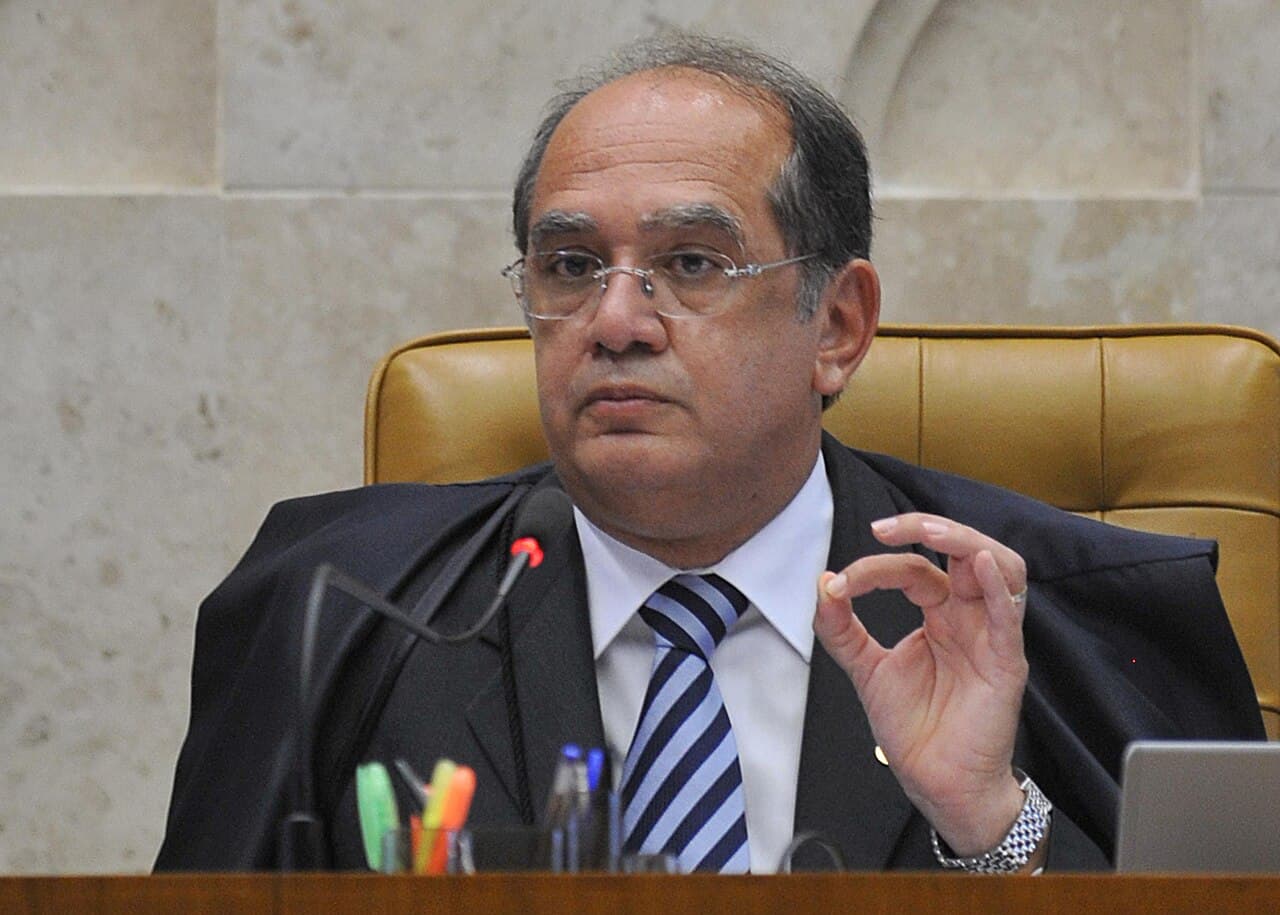
Supreme Federal Court (STF) Justice Gilmar Mendes has formally proposed a change to the court’s internal rules that would prohibit police and military personnel from holding commissioned advisory roles in the private cabinets of the justices, a direct institutional response to the recent and highly public internal judicial crisis. The proposed amendment to the STF’s rules would bar personnel from the Federal Police, Federal Highway Police, state police forces, and the Armed Forces from positions in ministerial offices, making an exception only for those performing purely security duties for the justices.
The move is aimed at "depoliticizing" the judicial staff and safeguarding the independence of legal investigations after a public dispute highlighted the controversial role of seconded Federal Police delegates. That dispute centers on Justices Alexandre de Moraes and André Mendonça, who became embroiled in a conflict following the leak of a police report that included messages between Moraes and a banker under investigation in the Banco Master case. Justice Mendes has expressed concern that the use of police delegates as advisors in this capacity can lead to conflicts of interest, potentially influencing the direction of investigations that originate outside the court but are overseen by the justices. Both Moraes and Mendonça currently have Federal Police delegates assigned to their offices.
For the foreign reader, the Supreme Federal Court is Brazil's highest court, serving as the ultimate constitutional arbiter and, critically, holding original jurisdiction to investigate and try federal authorities, including members of Congress, the President, and its own justices. Justice Mendes, the court's longest-serving member (Decano), has been vocal that the current practice can turn the ministerial offices into a "police station" that compromises the separation of powers between the investigative function of law enforcement and the judicial function of the court.
The proposal will now be directed to the STF’s Internal Rules Committee for review before a vote by the full administrative session of the court is scheduled. While the Director-General of the Federal Police, Andrei Rodrigues, has reportedly voiced support for the measure, it is expected to face resistance from justices who argue that the expertise of law enforcement personnel is necessary for handling complex criminal investigations that fall under the STF’s jurisdiction. The outcome will signal how the court intends to manage the growing tension between its judicial role and its extensive, politically charged investigative powers in the coming years.