
Statistical Tie in Brazilian Presidential Runoff Heightens Political Risk, Weighs on Markets
A new AtlasIntel/Bloomberg poll shows President Lula and Senator Flávio Bolsonaro in a statistical tie for the October runoff, driving new volatility in Brazilian assets.
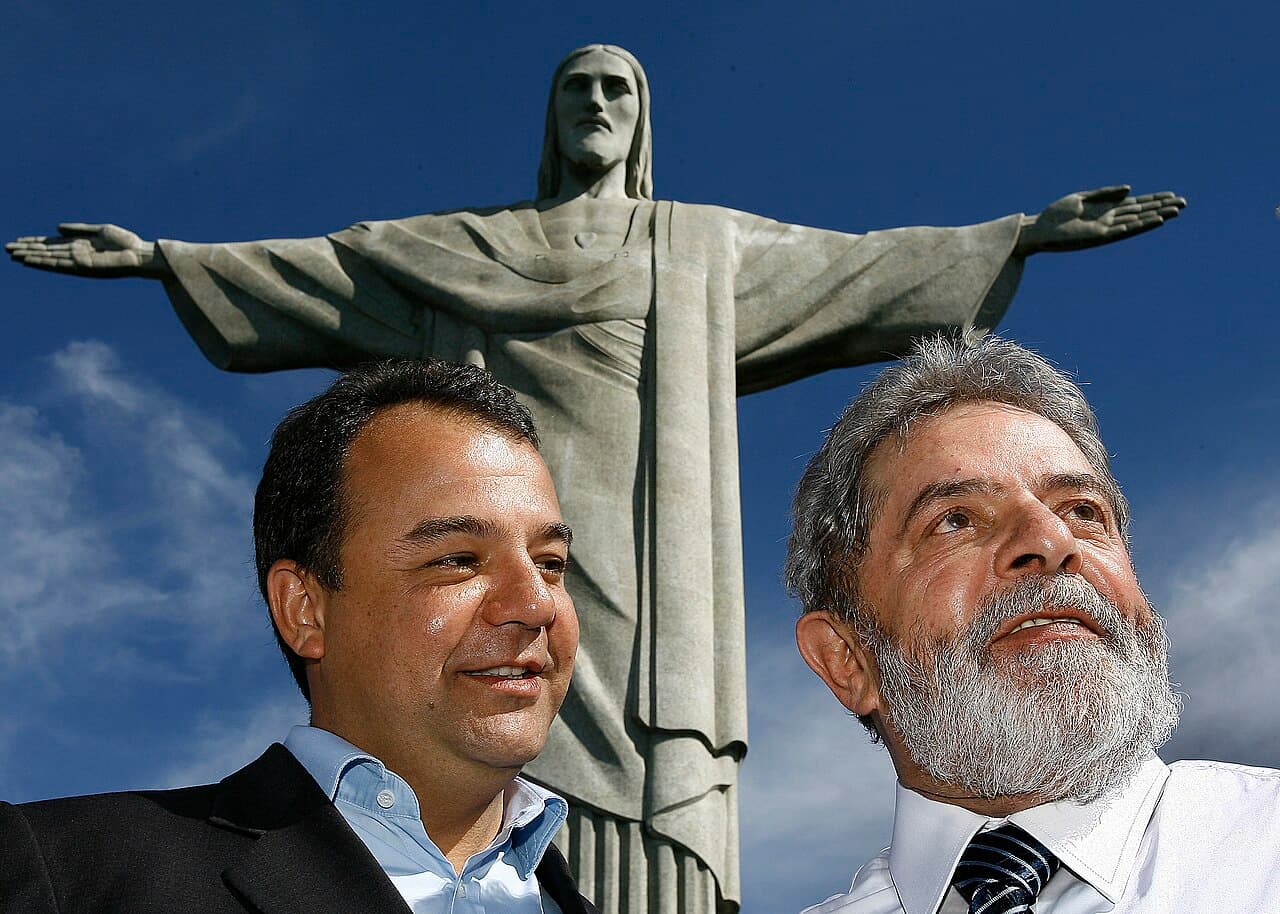
A new poll showing a statistical tie between incumbent President Luiz Inácio Lula da Silva and his main challenger has re-injected significant political risk into Brazilian financial assets just weeks before the general election in October. The AtlasIntel/Bloomberg survey, released on Thursday, found the two candidates separated by less than half a percentage point in a simulated second-round vote, a difference that falls within the poll's margin of error.
The poll indicated that right-wing Senator Flávio Bolsonaro would receive 47.2% of the vote in a runoff scenario, compared with 46.8% for the leftist incumbent, Lula. This tight race, ahead of the first round vote on October 4, has re-heightened concerns among analysts that the unpredictable political outcome is the single largest domestic factor influencing the country's risk premium. The Brazilian stock market, the Ibovespa, has traded lower in recent sessions, as has the local currency, the Real, against the U.S. Dollar.
Flávio Bolsonaro is the eldest son of former President Jair Bolsonaro, who was defeated by Lula in the 2022 election and is currently barred from holding office until 2030. The Senator's bid is viewed by supporters as a continuation of the family’s conservative political project, while Lula, a veteran of Brazilian politics who is seeking a fourth non-consecutive term, represents the country's left. The narrowing gap in the polls signals a highly polarized and competitive race that analysts fear could lead to policy uncertainty, increasing the cost of doing business in Latin America's largest economy.
Under Brazil's electoral system, if no presidential candidate secures more than 50% of the valid votes in the first round on October 4, the two top vote-getters advance to a runoff election scheduled for October 25. The tightening second-round scenario suggests an extended period of political contention, with investors closely watching the first round results to see if the race is decided early or if the current volatility is set to last through the final weeks of the month.
What it touches
The mounting political uncertainty has translated directly into market movements, with both the Brazilian Real (USD/BRL) and the country's main stock index, the Ibovespa (IBOV), experiencing volatility. Assets that are closely tied to the country's fiscal health or are highly sensitive to regulatory shifts, such as state-controlled financial stocks and certain commodity producers, are particularly exposed to election-related risk.
Related coverage
Politics · PRO
Independent Senate Body Projects R$86 Billion Deficit for Brazil's 2027 Budget
Published
Politics · PRO
Brazilian Congress Advances Risk-Based Bill to Regulate AI, Setting Strict New Compliance Rules for Tech
Published
Politics
Brazil Supreme Court Delays Key Clean Slate Law Ruling That Could Benefit Ineligible Politicians
Published