
Brazil Supreme Court Delays Key Clean Slate Law Ruling That Could Benefit Ineligible Politicians
Supreme Court Minister Flávio Dino suspended a virtual trial on the Clean Slate Law, moving the consequential case to the physical plenary and delaying a final decision on shortened ineligibility periods.
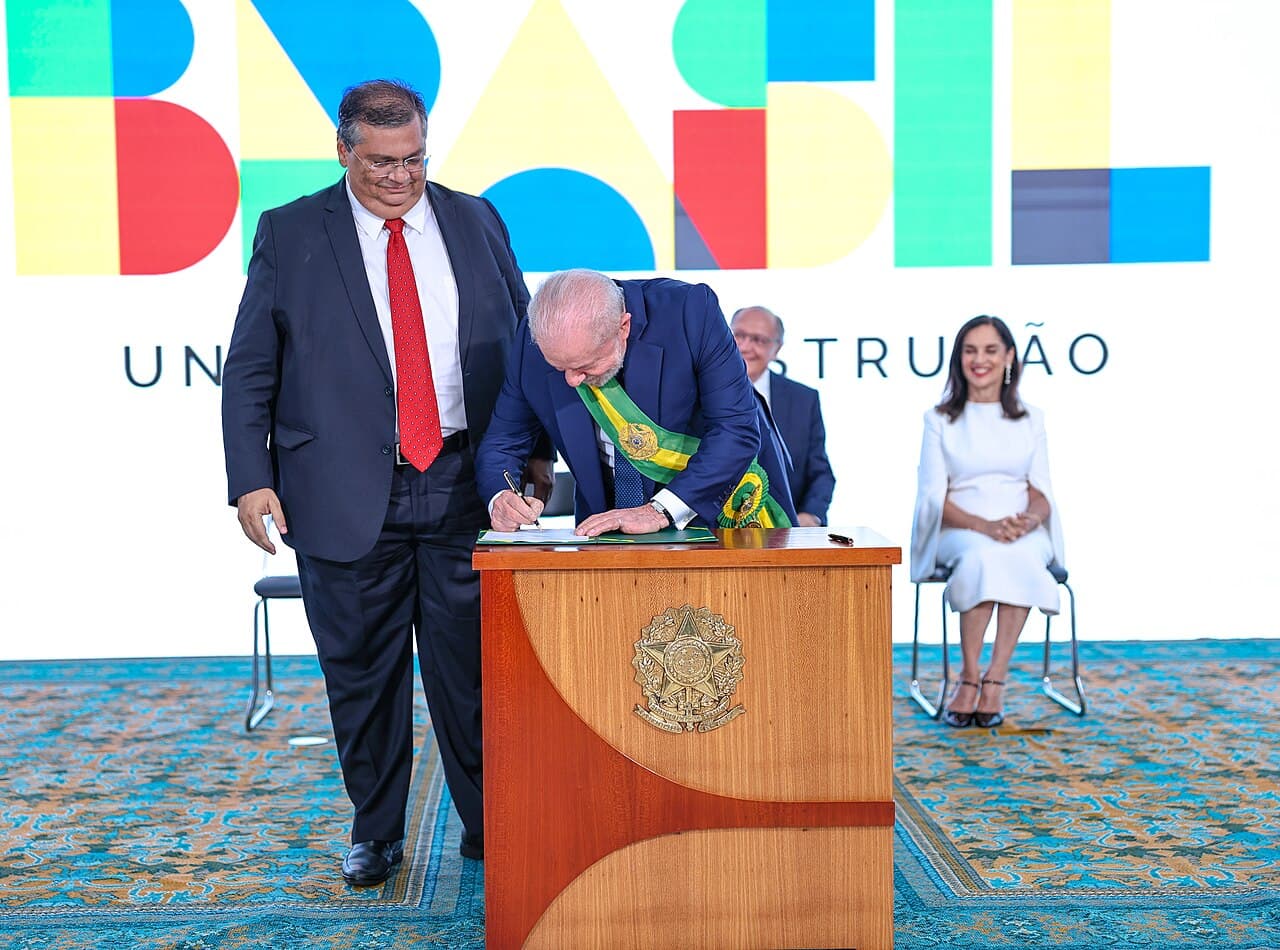
A decision with major implications for Brazil’s electoral landscape has been postponed after Supreme Federal Court (STF) Minister Flávio Dino requested a “destaque,” effectively halting the virtual trial over changes to the Lei da Ficha Limpa, or Clean Slate Law. The move means the critical case must now be re-started in the physical plenary in front of all 11 justices, ensuring that a final ruling on shortened ineligibility periods will be significantly delayed, likely pushing the decision closer to—or even past—the current election date.
The controversy centers on a 2025 law (LC 219/2025) passed by the National Congress that altered the criteria for an 8-year ineligibility period. The original Clean Slate Law, which was born from a popular initiative to curb corruption, mandated that politicians convicted of certain crimes could not run for office for eight years after they had served their sentence or the remaining time of their mandate. The new law changes the start date of the 8-year ban to the date of the conviction itself or the loss of the mandate, which, in many cases, dramatically shortens the period a politician is barred from running.
Until the STF rules the new law unconstitutional, the more lenient counting rule remains in effect, a detail that could allow high-profile politicians—such as former Deputy Eduardo Cunha and former Governor José Roberto Arruda—to register their candidacies for the upcoming elections. Before the suspension, Minister Dino—a former Senator and Justice Minister recently appointed to the Brazil Supreme Court—intervened as the three initial votes were split: the rapporteur, Minister Cármen Lúcia, and Minister Luiz Fux voted to declare the new law unconstitutional, while the court's senior justice, Minister Gilmar Mendes, voted to validate the changes for the current election cycle.
The request for a destaque interrupts the vote and resets the score, requiring the entire panel of justices to reconvene and vote in an in-person session at an as-yet-undetermined date. The uncertainty over the law’s validity creates a crucial tension in Brazilian politics as the electoral deadline approaches, particularly since the new, less restrictive rules will govern candidate registration unless the Court acts quickly to strike them down.
Related coverage
Politics · PRO
Independent Senate Body Projects R$86 Billion Deficit for Brazil's 2027 Budget
Published
Politics · PRO
Brazilian Congress Advances Risk-Based Bill to Regulate AI, Setting Strict New Compliance Rules for Tech
Published
Politics · PRO
STF Minister Blocks Federal Police Search Warrant Against Brazilian Gubernatorial Candidate ACM Neto
Published