
Senate to Debate Ending Brazil's 6x1 Workweek Right After Election
Senate President Davi Alcolumbre has scheduled floor debates on a constitutional amendment to eliminate Brazil's 6x1 work scale, starting October 6.
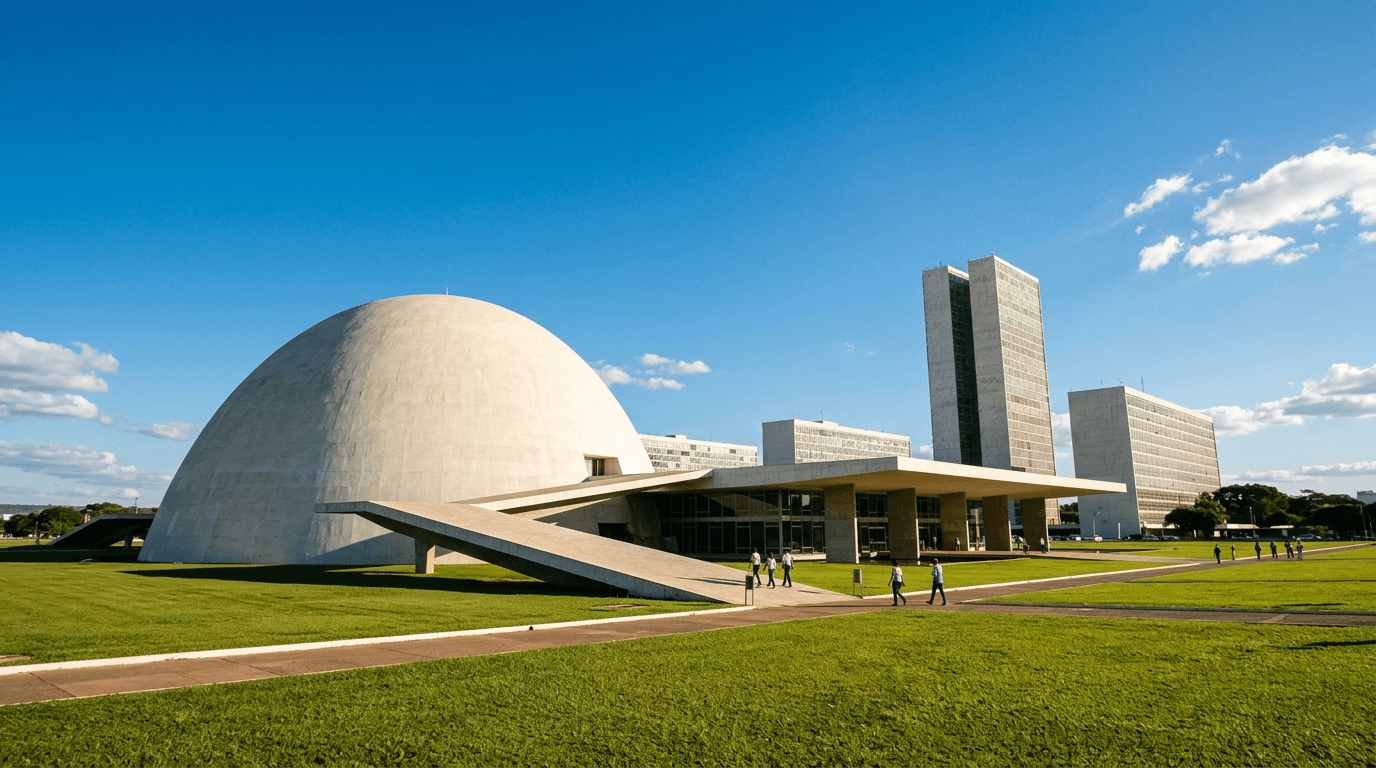
The Brazilian Senate is set to begin floor debates on a major constitutional reform that would outlaw the country's traditional "6x1" workweek—where employees work six consecutive days followed by a single day of rest. Senate President Davi Alcolumbre scheduled the initial plenary discussions for October 6, 2026, just two days after the first round of Brazil's municipal and general elections. The timing of the move highlights how high-stakes labor policies are closely intertwined with the country's current electoral cycle.
The proposed constitutional amendment, known as PEC 221/2019, aims to reduce the maximum legal workweek in Brazil from 44 hours to 40 hours. It guarantees workers two weekly rest days without any reduction in their monthly salaries. To pass the 81-seat Senate, the amendment requires a three-fifths supermajority—at least 49 votes—in two separate rounds of voting. Because the Chamber of Deputies already approved the text in May 2026, a clean approval by the Senate would send the bill straight to promulgation into law.
The debate carries significant weight for the Brazilian economy, particularly for labor-intensive sectors like retail, services, and agriculture. Business groups have lobbied heavily against the rigid transition, warning that a sudden drop in hours without salary adjustments will drive up operational costs, fuel inflation, and force companies to scale back hiring. Conversely, President Luiz Inácio Lula da Silva's administration and leftist allies have championed the reform as a historic humanitarian victory to improve worker health and productivity.
Under the current draft, the transition to a shorter workweek would not happen overnight. The bill outlines a phased transition: 60 days after promulgation, the maximum weekly limit would drop to 42 hours, before reaching the final 40-hour threshold 12 months later. Highly compensated professionals with a college degree who earn more than 2.5 times the national social security ceiling—roughly 21,200 reais ($4,060) per month—are exempt from the strict limits, leaving their hours open to individual contract negotiations.
What it touches
A structural shift in Brazil's labor costs directly impacts large-scale employers in the retail, food service, and industrial sectors. Investors tracking Brazilian equities via the MSCI Brazil ETF (EWZ) are monitoring the legislative progress of PEC 221/2019, as higher payroll expenses could squeeze profit margins for major publicly traded service providers, retail chains, and manufacturers.