
Record Number of LGBT+ and Indigenous Candidates Reshape Brazil's 2026 Election Field
Brazil's upcoming general election sees a 57% jump in LGBT+ candidates and a record for Indigenous representation, signaling a profound shift in political recruitment.
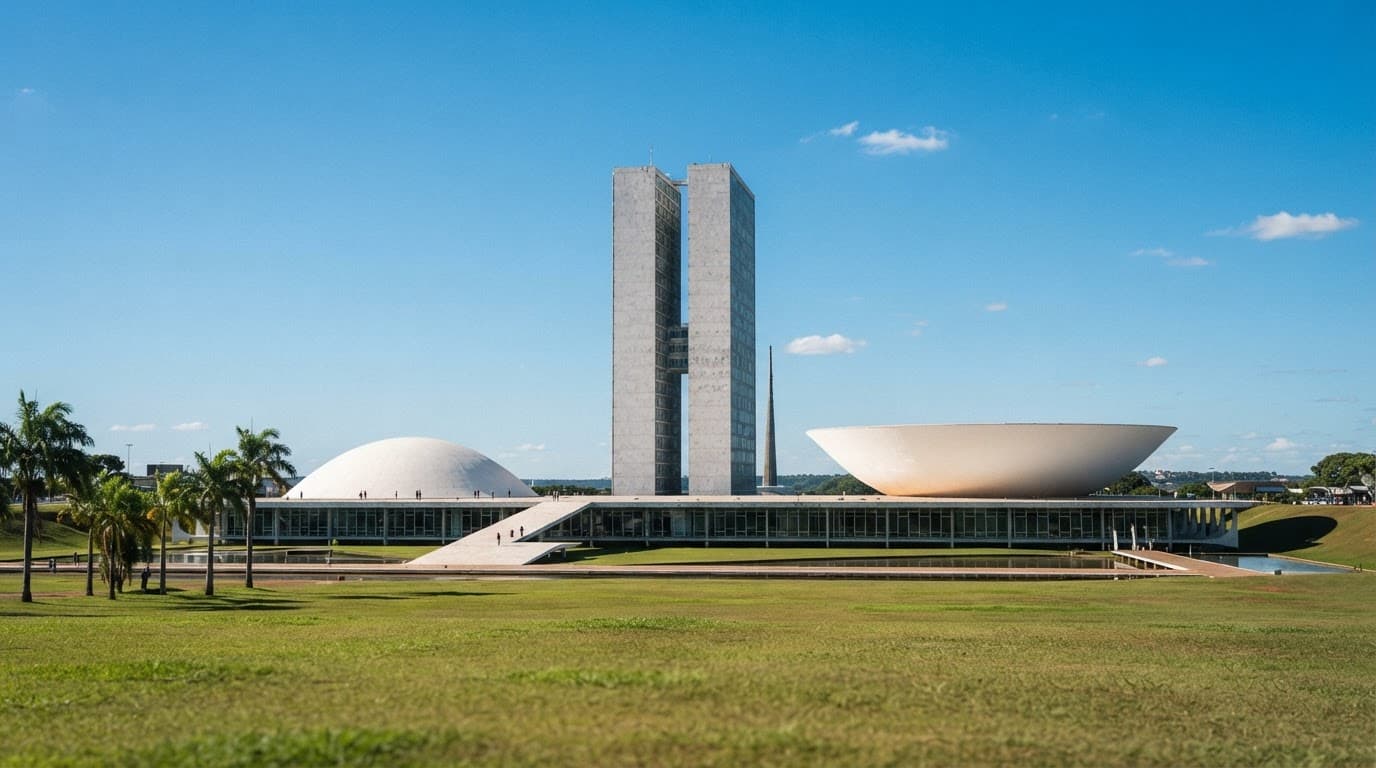
The upcoming 2026 general election in Brazil is set to feature a historically high number of candidates from groups traditionally underrepresented in the country’s political system, signaling a significant and institutionalized shift in party strategies toward diverse recruitment. According to data finalized by the Superior Electoral Court (TSE), the number of candidates identifying as lesbian, gay, bisexual, trans, or other sexual minorities (LGBT+) reached 514, a substantial 57% increase from the last general election in 2022. This surge is particularly notable because it occurs alongside an overall nearly 30% decrease in the total number of candidates nationwide, pushing the proportional presence of LGBT+ individuals to 2.5% of the overall field, more than double their 1.12% share four years prior.
The increase is not isolated, as Indigenous candidates have also registered a record high for the 2026 cycle, comprising 0.93% of the total candidate pool. A total of 191 Indigenous individuals have registered, the highest number since 2014, with a strong focus in the Legal Amazon region. This push for greater diversity represents a strategic move by political parties, as LGBT+ candidates are now spread across 27 of the 30 parties contesting the election, demonstrating that the focus on diverse candidacies is no longer limited to the progressive left.
For a foreign audience, the significance of this shift lies in challenging Brazil’s historically exclusionary power structures, where the legislative bodies—the 513-seat Chamber of Deputies and the Senate—have been overwhelmingly white, male, and wealthy. The proportional increase of minority candidates suggests that parties view them as viable electoral vehicles, capable of attracting votes or helping the party meet campaign finance rules that often tie public funds to the representation of specific demographics. The political visibility of these groups, particularly Indigenous leaders who champion environmental protection and land rights, and LGBT+ advocates focused on human rights, transforms the public policy debate in a country still grappling with high levels of social violence against both communities.
The ultimate test for this unprecedented wave of minority candidacies will be the conversion of registrations into elected office. The October 4 election will not only decide the President and state governors, but also determine every seat in the lower house and two-thirds of the Senate. The challenge now shifts to campaign finance and party support, which historically have disadvantaged minority candidates, potentially limiting their ability to secure the necessary votes to win a seat under Brazil’s complex open-list proportional representation system. The success of this cohort in winning seats will determine whether the current surge represents a durable and permanent change in Brazilian political representation.