
Meta faces international election meddling complaint in Brazil
President Lula da Silva's campaign filed a formal complaint with the OAS accusing Meta of restricting his social media reach ahead of the October 25 runoff.
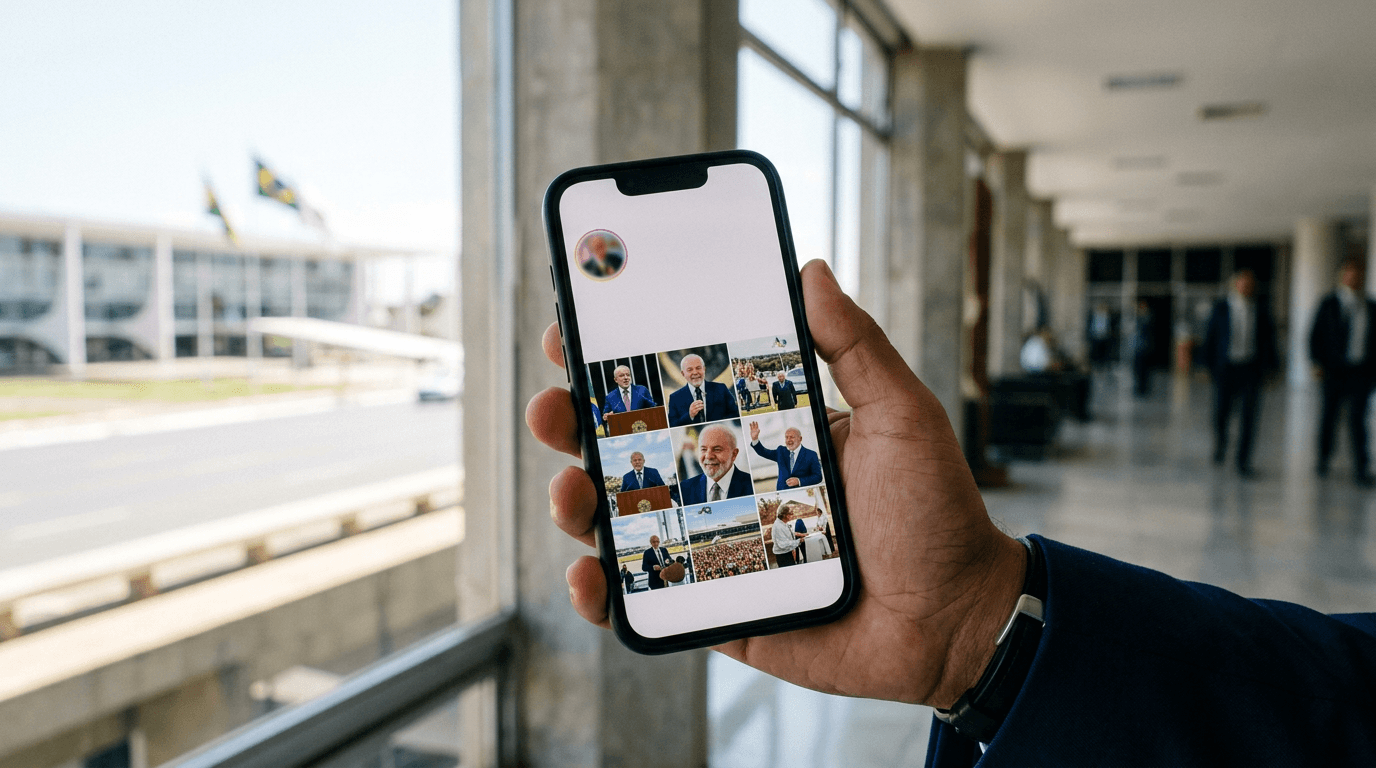
US tech companies operating in foreign markets face a growing web of local regulatory and political risks that can instantly disrupt their global operations. The latest friction point comes from South America, where a major American social media giant is being accused of tilting the scales in a high-stakes presidential race.
On October 14, 2026, the re-election campaign of Brazilian President Luiz Inácio Lula da Silva announced it is filing a formal complaint against Meta before the Organization of American States (OAS). The campaign alleges that the parent company of Facebook and Instagram has engaged in election interference by restricting the leftist leader's digital reach. The complaint comes just days before Brazil's decisive October 25 presidential runoff, where Lula faces conservative Senator Flávio Bolsonaro, the son of former President Jair Bolsonaro.
According to Lula's campaign, Meta's platforms systematically suppressed his content in the lead-up to the first round of voting on October 4. The coalition claims that Lula's official Instagram account was blocked from purchasing paid promotions on October 9 and 10, and that his profile—along with those of other prominent left-wing figures—temporarily vanished from Instagram's search tool. The campaign also pointed to anomalies in the built-in Meta AI assistant, which they claim refused to generate campaign images for Lula while successfully producing posters for his opponent.
Meta's Brazil office has strongly rejected the accusations, calling them "simply false" and unsupported by facts. In an official statement, the company explained that any technical glitches were global in nature rather than targeted. Furthermore, Meta stated that in order to comply with Brazil's strict local electoral laws, it had temporarily restricted its AI tools from recommending political candidates or generating their likenesses.
The dispute has quickly escalated within Brazil's legal system. The country's Superior Electoral Court (TSE) ordered Meta to provide a detailed account of any restrictions applied to Lula's profile. Separately, federal prosecutors gave Meta and X (formerly Twitter) five days to explain the suspension of political accounts and posts following complaints from civil society organizations.
For global investors, the clash highlights the persistent regulatory headwinds US tech platforms face in Brazil, which is historically one of their largest and most active user bases. With local authorities and international bodies now drawn into the dispute, the outcome could signal tougher compliance mandates, algorithmic transparency audits, or substantial antitrust and electoral fines for US tech firms operating in the region.
In your brokerage app
Meta Platforms, Inc., listed in New York, is heavily exposed to regulatory shifts in Latin America's largest economy. Investors can track the company's regulatory exposure in emerging markets through broad tech funds like the Vanguard Information Technology ETF, which holds a significant allocation of large-cap US tech firms.