
Presidential Candidate Augusto Cury Failed to Declare Five Companies, Including Three in Florida, to TSE
Brazilian presidential candidate Augusto Cury, who declared the largest patrimony, omitted five companies from his required asset list.
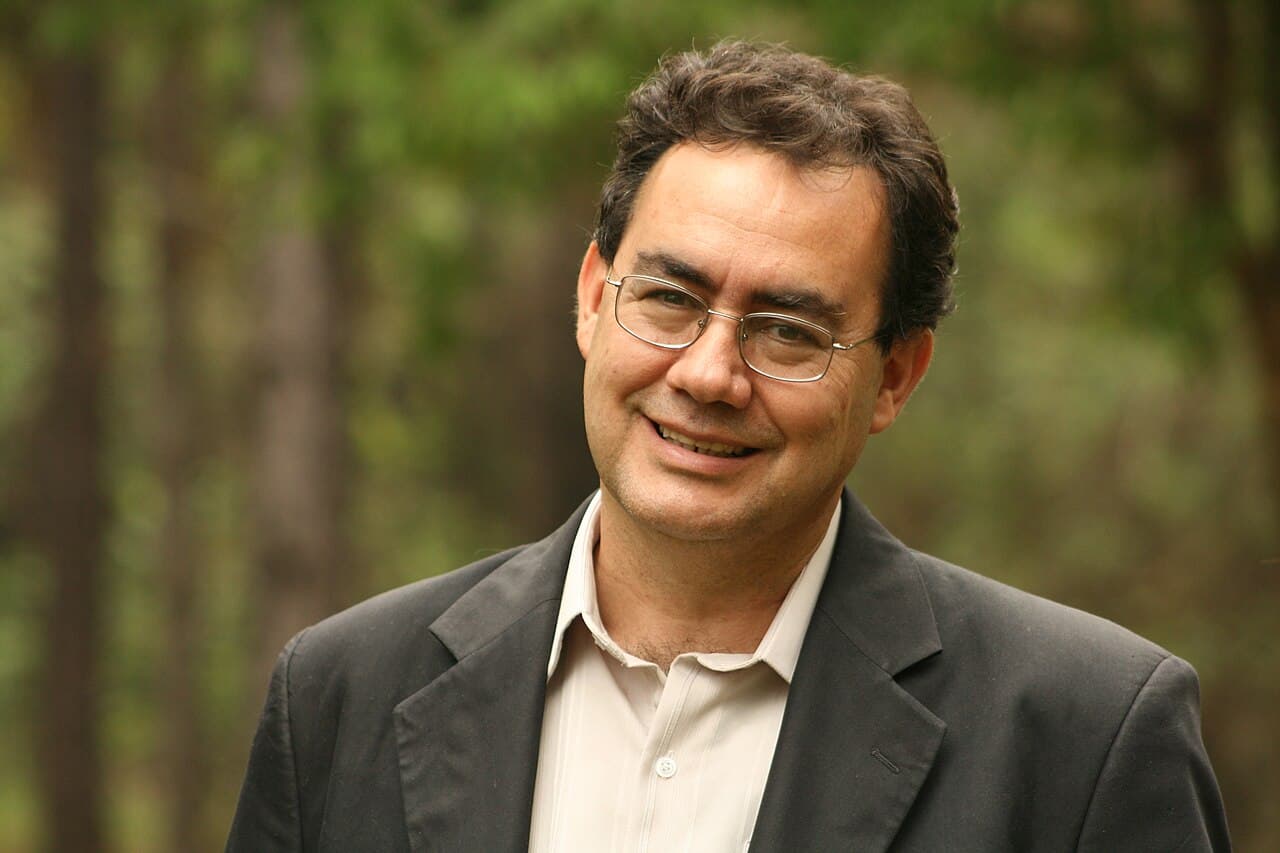
Augusto Cury (Avante), the Brazilian presidential candidate who declared the largest personal fortune in the race at R$ 242.3 million (approx. $44.8 million USD), failed to include at least five active companies—three of which are based in Florida, USA—on his mandatory asset declaration filed with the Superior Electoral Court (TSE). The omission, which includes both foreign and domestic entities, raises immediate questions about transparency for the high-patrimony candidate as the Brazilian presidential election campaign intensifies. The news, first reported on Saturday, September 5, comes as Cury has seen a recent rise in voter intention polls.
Brazil's electoral law requires all candidates, regardless of office sought, to submit a full public accounting of their personal and corporate assets to the TSE—the country’s highest electoral authority—upon registering their candidacy. The mandate is intended to ensure transparency and combat corruption by allowing public scrutiny of a candidate's wealth and business interests before and after their term in office. Cury, a prominent psychiatrist and bestselling author who is running as a centrist alternative, or "third way," in the polarized political landscape, leads all Brazilian presidential candidates in declared wealth.
The undisclosed entities include firms with significant international activity. For instance, one Florida-based company, Intelligence School, was revealed to have been involved in Orlando real estate transactions totaling US$ 13.5 million between 2014 and 2024, according to property records. The candidate’s campaign team acknowledged the discrepancy, classifying the omissions as an administrative error, and stated that Cury’s fortune was "built legitimately". The campaign has pledged to submit a revised, corrected declaration to the Electoral Justice.
For a candidate whose profile is based outside of traditional politics, the incident presents a political risk that centers on accountability and diligence. While failure to declare assets to the TSE can carry legal consequences, the immediate test is political: the campaign must persuade voters and the electoral court that the omission of five active companies, three of which operate in the United States, was an honest mistake rather than a deliberate attempt to shield assets from public review. All eyes will now be on the TSE to see if Cury’s rectified declaration is accepted and how the issue affects his standing in a tight race that has seen him gain significant traction in recent weeks.