
Over Half of Senate's Pro-Impeachment Bloc Face STF Investigations
A majority of Brazilian senators pushing to impeach Supreme Court justices are themselves targets of investigations by the same court, raising political risks.
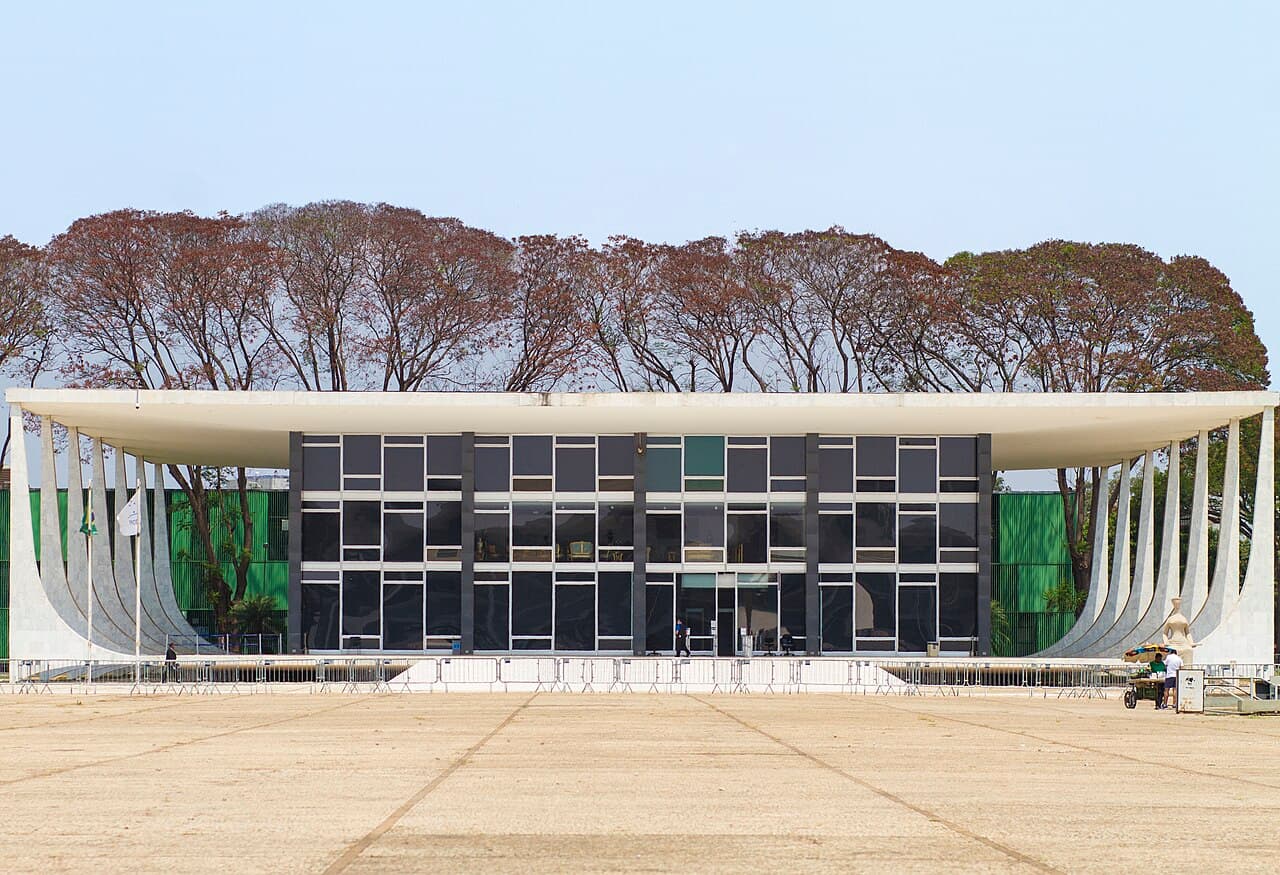
A deep-seated institutional conflict is intensifying in Brazil's capital, where a growing legislative push to impeach Supreme Court (STF) justices is being led by lawmakers who are facing active legal battles with the very court they are trying to sanction.
An investigation published on October 11, 2026, by the Brazilian newspaper Estadão revealed that 25 out of 49 senators who publicly support the impeachment of STF ministers have been the targets of investigations, investigative measures, or criminal actions authorized by the Supreme Court itself. The list of targeted lawmakers includes newly elected members and sitting senators, with cases ranging from active criminal inquiries to archived files and investigations later transferred to lower courts.
This political friction is coming to a head following the October 2026 legislative elections, which significantly strengthened conservative and right-wing parties in the upper house. The pro-impeachment bloc is currently just five votes short of the 54-vote supermajority—representing two-thirds of the 81-seat Senate—required to successfully remove a Supreme Court justice from office. Under Brazil's Constitution, the Senate holds the exclusive authority to prosecute and try members of the high court for administrative misconduct.
A Cycle of Mutual Pressure
The overlap between the accusers and the accused has fueled concerns over institutional gridlock ahead of the new congressional term starting in 2027. Legal analysts warn that the situation creates a volatile cycle of mutual pressure. While senators can leverage impeachment petitions and constitutional amendments to curb the judiciary's reach, the Supreme Court holds the power to advance criminal inquiries that directly impact those lawmakers.
Among the prominent figures in the pro-impeachment movement is Senator-elect Carlos Jordy, who was targeted by Federal Police search-and-seizure operations authorized by the STF. Justice Alexandre de Moraes ordered searches against Jordy in January 2024 as part of an investigation into the January 2023 riots in Brasília, and Justice Flávio Dino authorized subsequent searches in December 2025 over the alleged misuse of parliamentary funds. Other newly elected senators, such as Gustavo Gayer, also face pending legal scrutiny.
Beyond seeking the removal of specific justices—most notably Alexandre de Moraes—the incoming legislative coalition plans to push for structural changes. These include proposals to limit judicial terms, restrict monocratic (single-justice) rulings, and alter the 1950 Impeachment Law to make it easier for Congress to sanction members of the judiciary.
What it touches
The escalating feud between Congress and the STF heightens domestic political risk, which historically exerts downward pressure on the Brazilian real (BRL) and local equities listed on the B3 exchange. Prolonged institutional instability threatens to delay key economic measures, such as the ongoing tax reform implementation, by consuming legislative energy. Sectors highly sensitive to regulatory stability and government concession frameworks, including utilities and domestic infrastructure, remain most exposed to the resulting political uncertainty.