
OAS Confirms Election Observer Mission for Brazil’s Polarized 2026 General Elections
The Organization of American States will deploy up to 90 experts to observe Brazil’s high-stakes national elections.
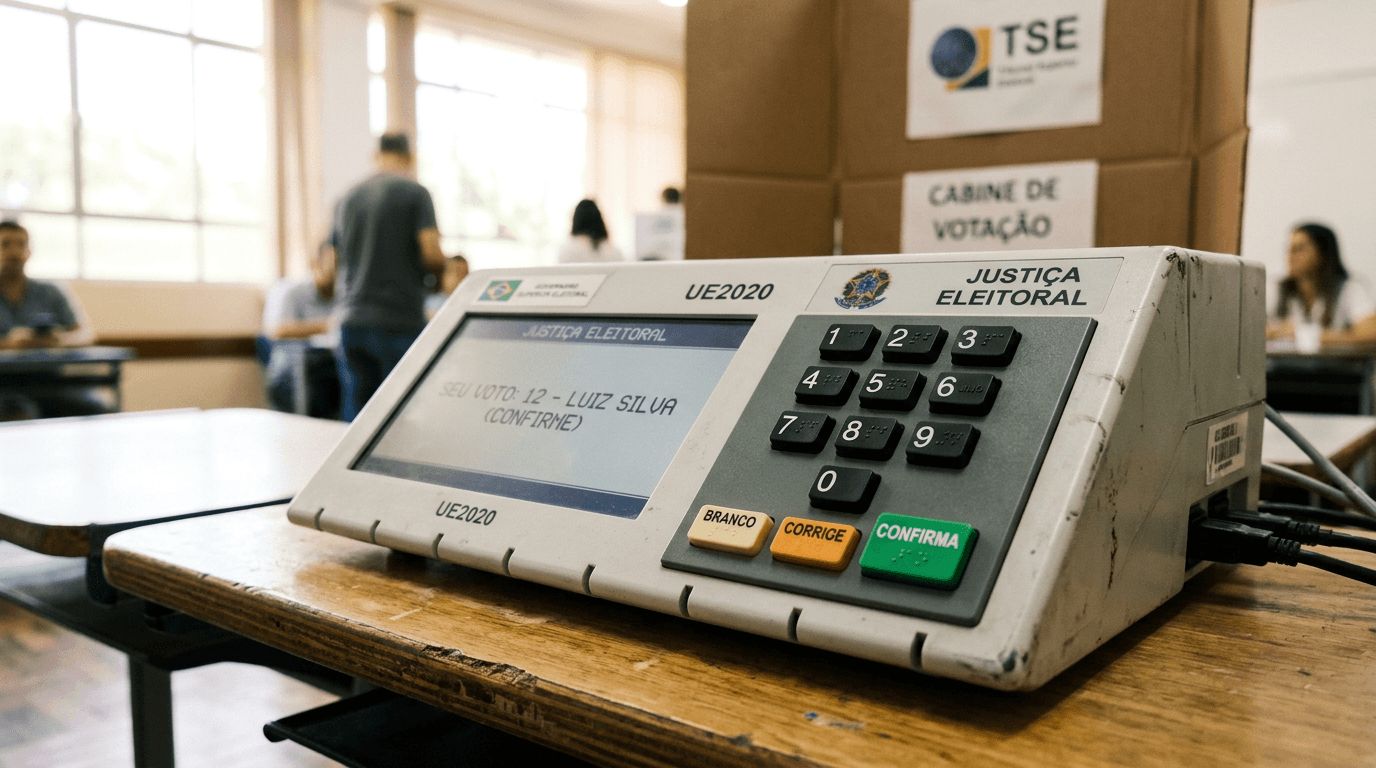
The Organization of American States (OAS) has finalized an agreement with the Brazilian government to deploy an Electoral Observation Mission (EOM) for the country’s high-stakes 2026 General Elections, a move designed to provide an institutional safeguard against potential challenges to the results. The agreement was signed on August 13, 2026, at the OAS headquarters in Washington, DC, formalizing a robust international presence for the October vote. The mission is set to include up to 90 independent experts and is one of the largest external deployments to date for a Brazilian election cycle.
The commitment of a major international body like the OAS takes on added significance in Brazil’s current political climate, which is defined by intense and affective polarization between supporters of the left-wing incumbent, President Luiz Inácio Lula da Silva, and the right-wing opposition, largely centered around the political movement of former President Jair Bolsonaro. Foreign observers view the mission as a necessary external hedge against any domestic attempts to undermine or reject the electoral outcome, a concern that has been amplified in recent years as the country has grappled with institutional strain. The EOM’s presence and eventual report serve to validate the results to the international community, making it more difficult for any political faction to claim the process was illegitimate.
This will be the fifth time the OAS has sent an EOM to Brazil since the 2018 election cycle, highlighting the ongoing importance of external monitoring for the integrity of the process. Former Chilean Senator and Foreign Minister, and former OAS Secretary General, José Miguel Insulza, has been appointed as the Chief of Mission. His role will be to oversee the mission’s technical work, which spans areas like electoral organization, technology, justice, and campaign finance, as voters prepare to choose a president, state governors, and federal and state legislators. The Brazilian Superior Electoral Court (TSE) has also accredited other international observers, including the European Union and the Mercosur Parliament, ensuring a broad institutional consensus on the process.
The first round of voting is scheduled for October 4, 2026, with a potential runoff for the presidential race and gubernatorial seats set for October 25. The prompt and unified recognition of the outcome by these international observation groups will be the key factor to watch. This external validation is critical for the stability of the electoral process and its aftermath, ensuring a peaceful transfer of power regardless of which side prevails in the deeply divided country.
What it touches The institutional stability provided by the international election observer mission directly impacts Brazil's political risk premium. By mitigating the potential for post-election civil unrest or institutional crisis, the OAS presence helps reduce uncertainty for foreign investors and could exert downward pressure on the perceived risk associated with Brazilian assets.