
New Polls Map Brazil's Deepening Regional Divide Ahead of October Election
Polling shows Senator Flávio Bolsonaro dominating the conservative, agribusiness heartland while President Lula holds a narrow national lead, highlighting Brazil's extreme political polarization.
New regional polling confirms a deep and entrenched geographic split in Brazil's upcoming presidential election, with Senator Flávio Bolsonaro—the eldest son of former President Jair Bolsonaro—overwhelmingly dominant in the conservative agricultural heartland while President Luiz Inácio Lula da Silva holds his national lead. The results indicate that the next administration will struggle to secure the broad political consensus needed for major reforms, no matter who wins.
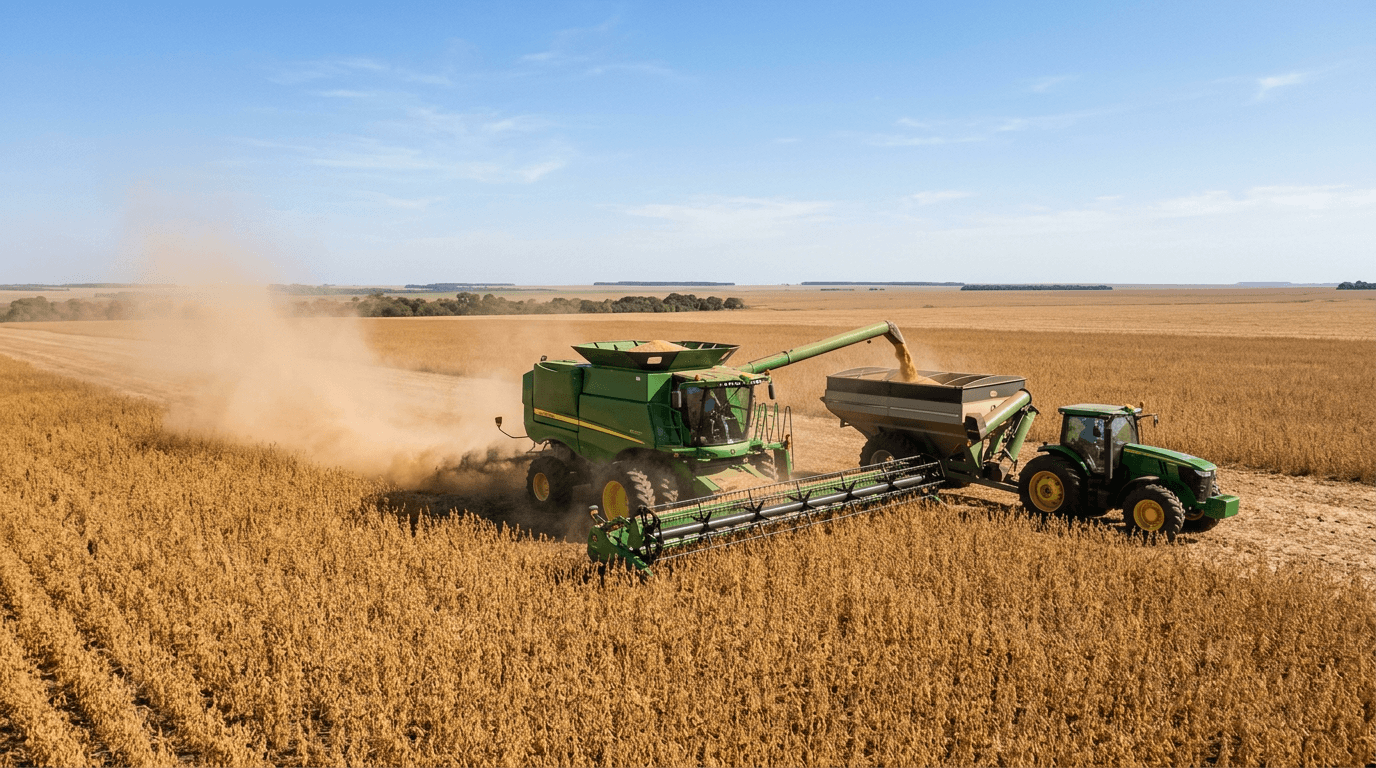
In the state of Mato Grosso (MT), a crucial hub for Brazil’s powerful agribusiness sector, a recent AtlasIntel poll shows Flávio Bolsonaro leading President Lula by an overwhelming 59.1% to 35.2% in a simulated runoff election. Mato Grosso is the country’s leading producer of soybeans, corn, and cotton, with agribusiness accounting for a massive share of its economic activity, and the result underscores the profound political risk perceived by the sector under the current left-leaning government. Similarly, in the Federal District (DF)—the seat of the capital, Brasília, and a key center for the country’s civil service and political class—recent polling suggests Mr. Bolsonaro holds a strong lead in both the first round and a runoff.
This intense political polarization illustrates the challenge facing both candidates. Mr. Bolsonaro, a Senator for Rio de Janeiro and the standard-bearer for the Bolsonarismo movement, is consolidating the conservative base and the economically powerful rural electorate. Meanwhile, national polls show the incumbent, President Lula, maintains a marginal lead or is tied with Mr. Bolsonaro, largely due to support in the Northeast and among lower-income voters, who are traditionally the base of his Workers’ Party (PT). The close national race and the deeply divided regional results suggest a winner will emerge without a clear national mandate, forcing an early reliance on fragile coalition politics in the National Congress.
The political division is not just geographic but economic and ideological, pitting the interests of the powerful commodity export-driven states like Mato Grosso—which often favor less regulation and a lower tax burden—against the demands of the government in Brasília and the priorities of the left, which include poverty reduction, environmental protection, and greater state spending. With a slim margin expected in October’s vote, the outcome will depend on which candidate is better able to translate regional fervor into a national majority.
What it touches
The concentration of anti-Lula sentiment in the highly productive Midwest states highlights the political and regulatory risk for the Agro sector that underpins a significant portion of the Brazilian economy. Companies tied to soybean, corn, and beef production, as well as the related logistics and fertilizer industries, are exposed to policy shifts, land-use regulations, and trade disputes that could follow a contentious election.