
Lula’s Communications Chief Takes Leave to Rescue Runoff Campaign
Secom Minister Sidônio Palmeira takes temporary leave to overhaul President Lula's re-election campaign after a first-round defeat to Flávio Bolsonaro.
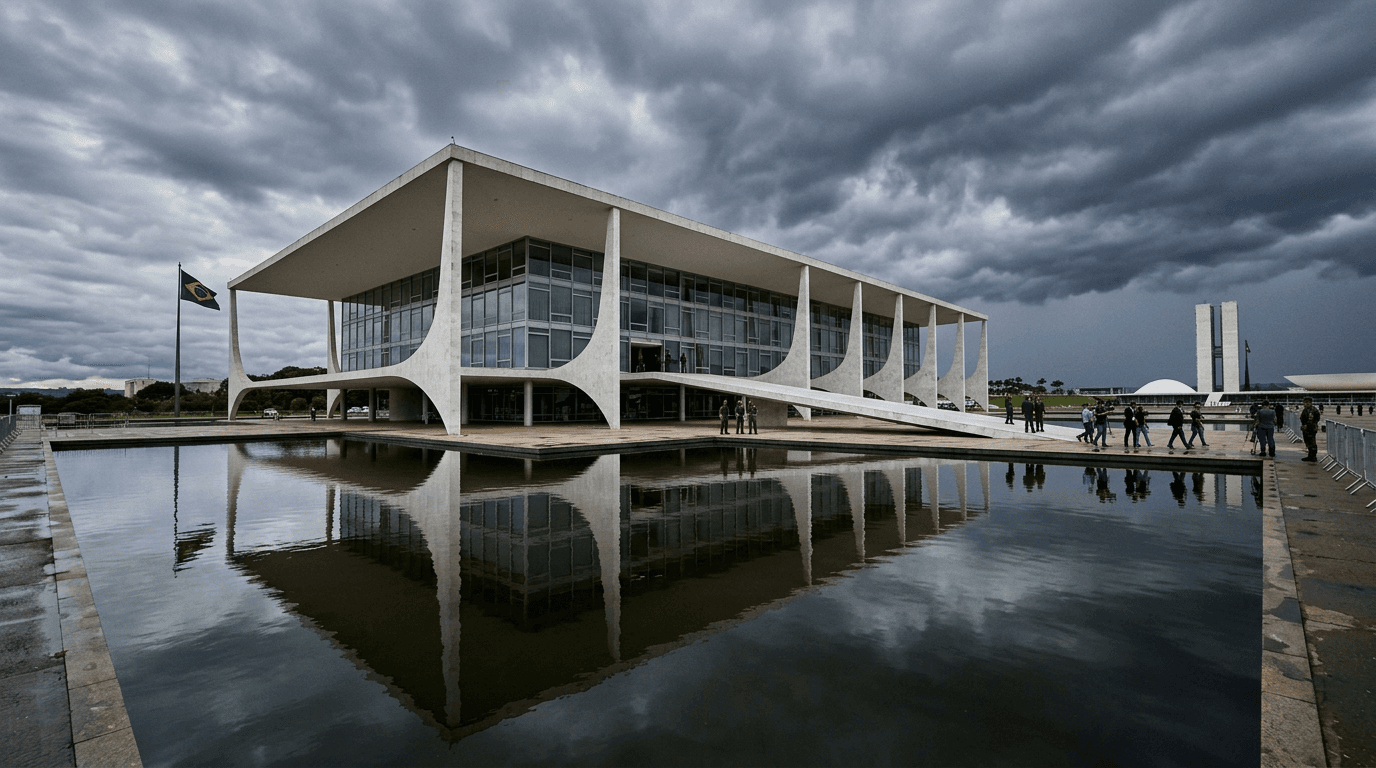
In a clear sign of mounting panic within the ruling Workers’ Party, Brazil’s Minister of the Secretariat of Social Communication (Secom), Sidônio Palmeira, will take a temporary leave of absence starting October 12, 2026. Palmeira is stepping away from his official government duties to dedicate himself full-time to salvaging President Luiz Inácio Lula da Silva’s struggling re-election campaign. The high-stakes move comes just fifteen days before the decisive runoff election, following a highly critical first-round performance that has thrown the administration into disarray.
The shake-up was triggered by the unexpected results of the October 4 first-round vote. Lula, the left-wing incumbent, finished second with 45.16% of the vote, trailing his far-right challenger, Senator Flávio Bolsonaro, who secured 47.03%. For a political veteran like Lula, who has long dominated Brazilian politics, falling behind the son of his former rival Jair Bolsonaro represents a severe political blow. According to reports by Brazilian news outlet g1, Lula privately lamented to allies that this has been the most disorganized campaign he has ever run.
Internal finger-pointing quickly focused on Palmeira, who served as the mastermind behind Lula’s narrow 2022 presidential victory. Party leaders criticized his strategy for focusing too heavily on abstract concepts like national sovereignty and rare earth minerals. Critics argued these themes failed to resonate with ordinary Brazilians struggling with daily economic pressures. Under intense pressure from the Workers' Party leadership, Palmeira was urged to take formal leave from Secom—the government body that manages state advertising and press relations—to focus entirely on the campaign trail.
To reverse the momentum before the October 25 runoff, Lula’s campaign has restructured its core leadership, bringing in powerful regional politicians. Piauí Governor Rafael Fonteles, who was resoundingly re-elected in the first round, has been brought in to coordinate the communication strategy. Fonteles has already pushed for a more direct, informal approach, advising the 80-year-old president to record casual "selfie" videos for social media to better connect with younger voters.
The campaign's immediate strategy is to double down on the Northeast, historically Lula's strongest electoral bastion, where advisers believe they can mobilize enough voters to erase Flávio Bolsonaro's lead. The revamped team is also shifting its messaging toward aggressive attack ads. The new strategy aims to warn voters that a Bolsonaro victory could lead to a "tesouraço" (heavy budget cuts) of up to R$ 200 billion, threatening popular social welfare programs and labor rights.