
Brazil Rejects Trump's 'Shield of the Americas' Security Alliance
Brazil's left-wing administration has denounced Donald Trump's regional security initiative, calling it a false pretext for US military domination.
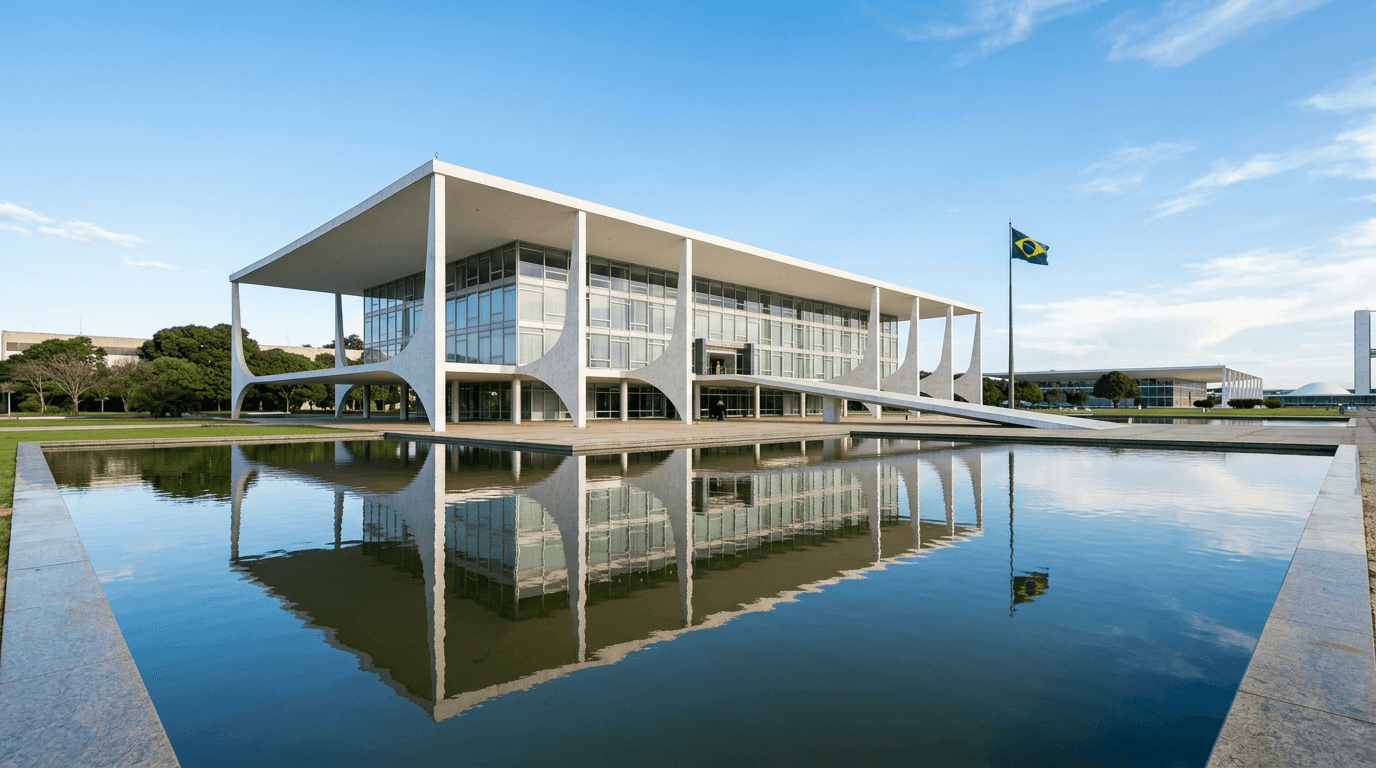
Brazil has officially rejected an invitation to join the "Shield of the Americas," a US-led regional security alliance championed by Donald Trump. Celso Amorim, the chief foreign policy advisor to Brazilian President Luiz Inácio Lula da Silva, denounced the initiative on October 10, 2026, as a "false pretext" designed to impose a geopolitical siege on Brazil under the guise of fighting organized crime.
The diplomatic rift highlights growing polarization in South America, pitting Brazil's left-wing administration against a US-led security bloc that now includes 15 regional governments. The coalition recently designated 24 major regional criminal factions—including Brazil's two largest gang networks, the Primeiro Comando da Capital (PCC) and Comando Vermelho (CV)—as shared "narcoterrorist" security threats subject to asset freezes and travel bans. Brazil and Mexico have both refused to join the alliance, which officials in the Planalto presidential palace fear could pave the way for foreign military interventions under the banner of international counter-terrorism.
The dispute has quickly spilled into Brazil's domestic politics, becoming a flashpoint in the ongoing presidential election cycle. Senator Flávio Bolsonaro, a prominent right-wing candidate and key ally of the Trump administration, publicly pledged to align Brazil with the US-led security bloc and formally designate the PCC and Comando Vermelho as terrorist organizations if elected. In contrast, the Lula administration argues that treating domestic organized crime as international terrorism invites foreign interference and compromises national sovereignty.
Diplomatic tensions are expected to remain high as Brazil approaches its high-stakes second-round presidential vote in late October. While Washington frames the Shield of the Americas as a necessary tool for regional intelligence sharing and coordinated security operations, Brasilia views the coalition as a mechanism of absolute domination. For now, Brazil's rejection of the alliance cements its current foreign policy stance of maintaining strict autonomy from US-led security structures in the Western Hemisphere.