
Lula Uses UN Podium to Push Multilateralism, Declares 'Brazil Does Not Fit in Anyone's Backyard'
Brazil's Lula used his final UNGA speech before the election to warn foreign powers against interfering in the country's democracy.
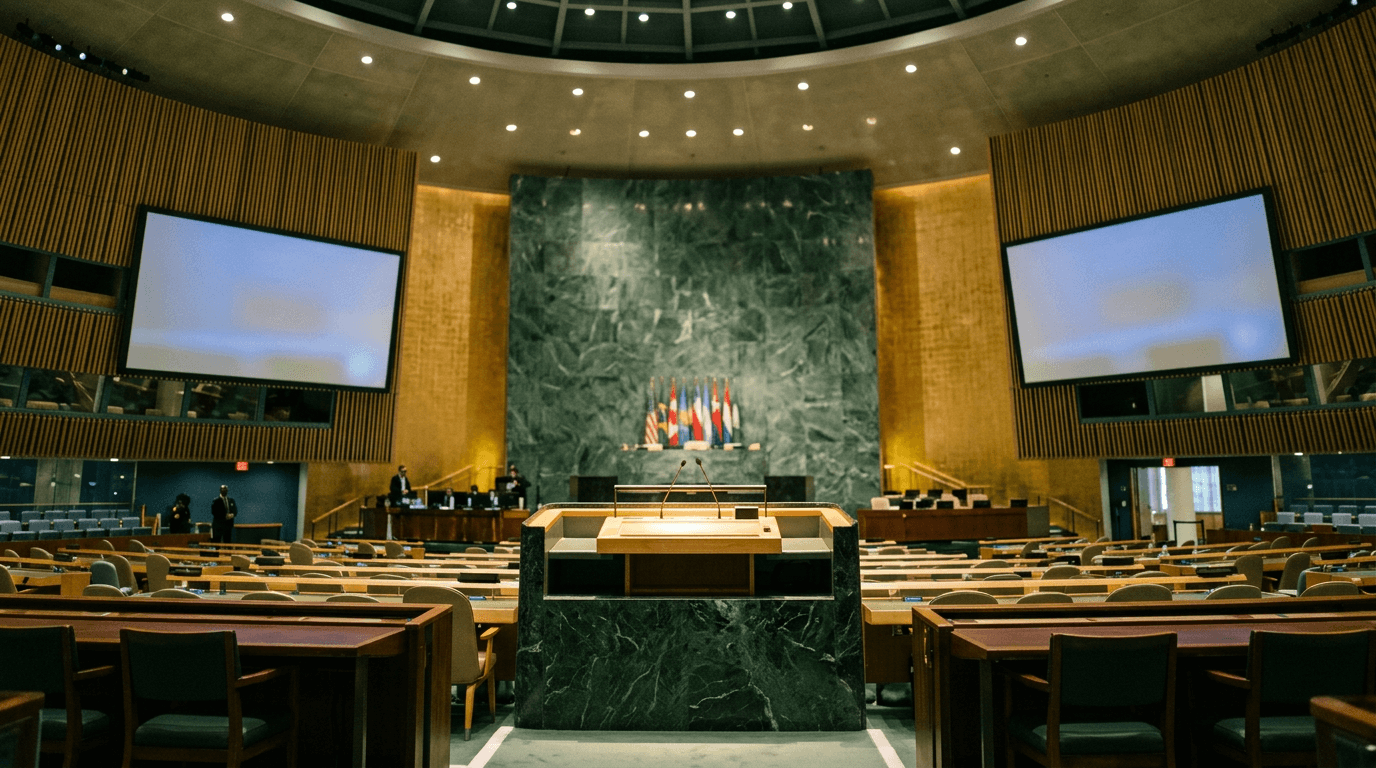
Brazilian President Luiz Inácio Lula da Silva used his traditional opening address at the United Nations General Assembly in New York on Tuesday, September 22, to issue a stark warning against foreign interference in his country's politics while simultaneously decrying the global body's "inaction." Speaking just two weeks before the decisive Brazilian election, President Lula said that Brazil would not be a pawn in geopolitical disputes, stating plainly that "Brazil does not fit in anyone's backyard". The speech, delivered as the first head of state to address the 81st General Assembly, set the final foreign policy tone for his campaign, framing the upcoming October 4 vote as a choice between national sovereignty and external influence.
Lula's forceful defense of sovereignty was a clear message directed at the United States amid rising US-Brazil tensions, a dynamic that has intensified in the run-up to the Brazilian election. The most acute point of friction involves the Trump administration's designation of Brazil's two largest criminal groups—Primeiro Comando da Capital (PCC) and Comando Vermelho (CV)—as Foreign Terrorist Organizations (FTOs) earlier this year. Lula and his administration rejected the move, arguing that the designation of the groups—which emerged from Brazil's prison system and operate across the country—is an overreach that could be intended to interfere with the political process by favoring his rival, who has backed the US position. The President used his address to reiterate that Brazil will not "outsource the responsibility" of confronting organized crime.
Beyond domestic politics, the veteran leftist leader used his platform to champion a return to multilateralism and criticize the current structure of global governance. Lula argued the UN's credibility is at an "all-time low" and that the world has become "hostages to the inaction of the Security Council". He accused the permanent members of the Security Council, who hold veto power, of failing to fulfill their role in preventing major conflicts, echoing a consistent theme from his diplomatic efforts to reform the powerful body. He called for a political initiative to restore the UN as a pillar of peace, arguing that "concessions to the law of the strongest have surpassed all limits".
The speech signals that if re-elected, President Lula will continue to position Brazil as a leading voice for the Global South and an advocate for a multipolar world order, one that actively resists perceived dominance from developed nations. His focus now pivots to the final campaign stretch, where this defiant stance on national interests and rejection of interference is intended to resonate with voters facing an election less than two weeks away. The success of this foreign policy framing will be measured directly by the outcome of the October vote.
Related coverage
Politics · PRO
Tight Brazil Presidential Race Fuels Major Fiscal Policy Uncertainty Ahead of October Vote
Published
Politics
Brazil Presidential Race Enters Final Week in Technical Tie, Driving Political Uncertainty
Published
Politics
Brazil’s Lula Blasts UN Security Council 'Inaction,' Demands Global South Permanent Seats
Published