
Lula to Open UN General Assembly with Call for Security Council Reform and Warning Against Election Interference
Brazil's President Lula will use UN platform to push for Global South power and caution US against meddling in his re-election bid.
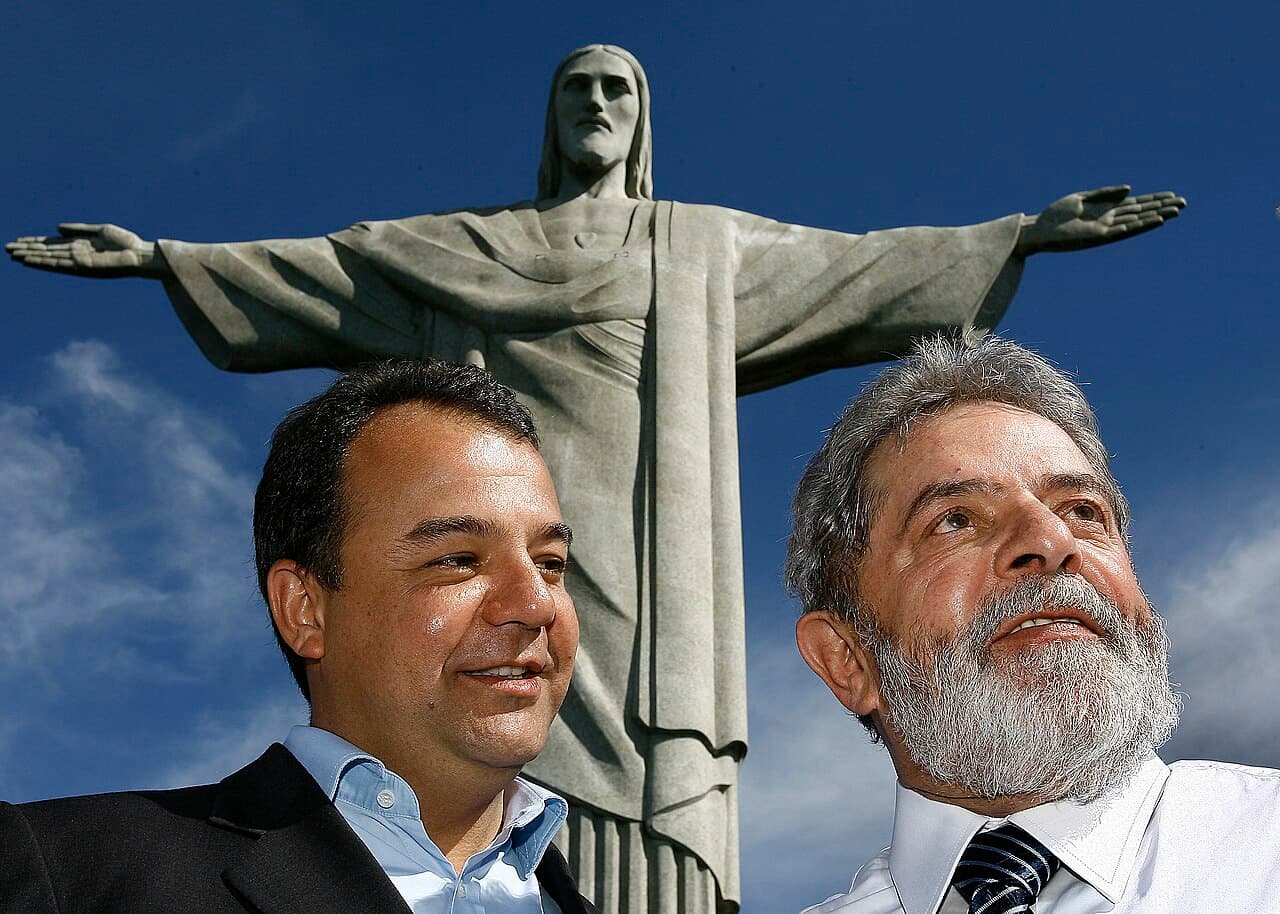
Brazilian President Luiz Inácio Lula da Silva is set to open the 81st United Nations General Assembly (UNGA) debate on Tuesday, September 22, in a speech expected to blend his long-standing foreign policy goals with a sharp, public message about his country's tight and increasingly polarized election. Lula will use Brazil’s traditional position as the first country to speak at UNGA to demand a transformation of the UN Security Council and to issue a warning against external interference in the country's domestic affairs, a message aimed squarely at the United States and specifically at US President Donald Trump.
The dual focus of the address reflects the core of the government’s current policy framework: an aggressive push for a multipolar world order led by the Global South, coupled with a defense of national sovereignty in a deeply contentious election year. The veteran left-wing leader is locked in a statistical dead heat with his right-wing opponent, Senator Flávio Bolsonaro—son of former President Jair Bolsonaro—ahead of the October vote. Lula publicly stated he is going to New York to tell President Trump, an ally of the Bolsonaro family, "do not interfere in Brazil's elections," framing the defense of the vote as a matter of Brazilian sovereignty.
Lula's speech will also feature his persistent call for a fundamental reform of the UN Security Council, a demand he has championed throughout his career and one that resonates widely with developing nations. He has repeatedly criticized the Council's current structure, which grants veto power to its five permanent members (P5), arguing that the arrangement has made the body ineffective and has allowed the P5 to act as "Lords of War." Brazil, a member of the BRICS group, advocates for expanding the Council to include more representation from Latin America and Africa, a move that would formally recognize the shifting global balance of power and elevate countries like Brazil onto the world stage as a decision-maker.
For a foreign audience, the address provides a clear view of the foreign policy Lula is campaigning on for his 2027-2030 term. By making an international diplomatic platform a stage for domestic political messaging—especially by challenging a major global power like the U.S. head-on—Lula is consolidating his image as a leader fiercely independent of Washington. The move serves to frame Flávio Bolsonaro's close relationship with the current White House as an unwanted foreign intrusion into Brazil’s democratic process. Lula is scheduled to deliver the address on Tuesday, and though no formal bilateral meeting is planned, the two presidents are expected to cross paths in New York, with the political weight of the non-interference warning already delivered.
What it touches The highly charged rhetoric from President Lula in a major international forum injects an element of geopolitical uncertainty and country risk premium into the Brazilian market narrative. The public warning to the United States regarding election interference further intensifies the political polarization that markets dislike, potentially impacting the perceived stability of Brazil's sovereign risk.
Related coverage
Politics
Lula Kicks Off UN General Debate with Call for Multilateralism and Security Council Overhaul
Published
Politics · PRO
Federal Prosecutors Seek to Suspend Petrobras’ Amazon Oil Discovery License
Published
Politics
Presidential Candidate Caiado Proposes Hard-Line Fiscal Cap, Targets Congressional Amendments to Lower Brazil Interest Rates
Published