
Lula Sanctions New Funding Mechanism for Brazilian Justice System Amidst Calls for Deep Judicial Reform
President Lula approved new laws centralizing funds for courts and public defenders, a move tied to his push for judicial reform.
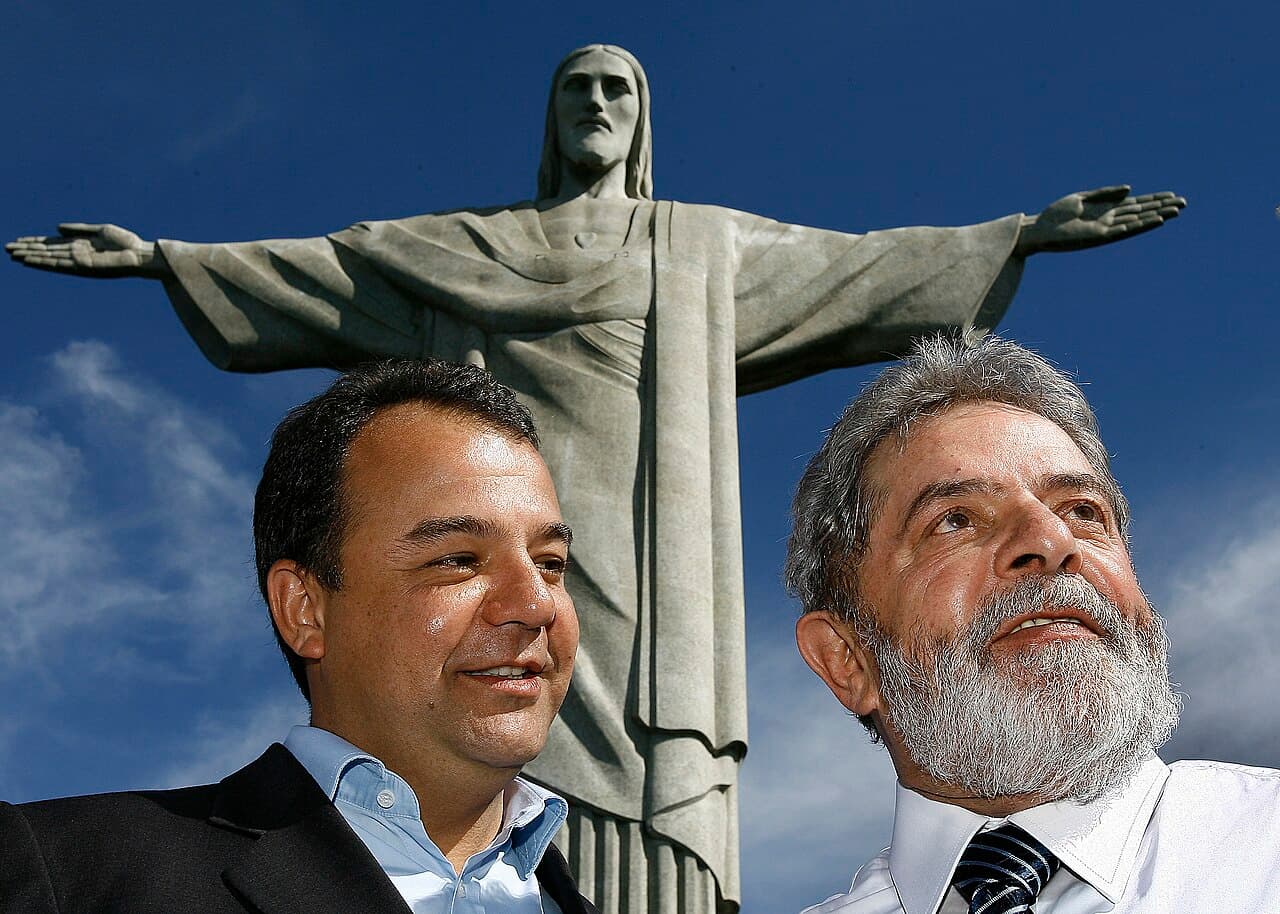
President Luiz Inácio Lula da Silva sanctioned a package of laws establishing new national funding mechanisms for the Brazilian justice system on Friday, a move that provides the Executive branch with an administrative mechanism to centralize and allocate resources for the Judiciary and related institutions. The sanctioning took place at the Palácio do Planalto, the presidential palace in Brasília, and was attended by key judicial figures, including Supreme Federal Court (STF) Justice Edson Fachin and Prosecutor-General of the Republic (PGR) Paulo Gonet. The creation of these new funds aligns directly with President Lula’s recent public calls for "profound reforms" of the Judiciary, signaling a potential shift in the balance of administrative power over the courts’ financial autonomy.
The new legislation centralizes resources for financing the modernization of the court system, expanding access to justice, and strengthening key institutions like the Federal Public Defender's Office (DPU). Among the approved measures are funds specifically for the Superior Tribunal of Justice (STJ) and the Federal Justice system, with revenues largely derived from court fees and costs. The stated aim is to improve judicial efficiency and provide necessary capital for programs like mobile courts in remote areas. For the foreign reader, control over such funds is a powerful, subtle means of administrative oversight, allowing the executive branch to influence the budgetary and infrastructure priorities of courts that normally operate with fierce independence.
The financial maneuver carries significant political weight because it occurs immediately following the explosive “Master Bank case” scandal, which has implicated several high-ranking judicial officials and triggered a crisis within the STF. In response to the crisis, Lula publicly argued this week that Brazil’s democracy cannot be held “hostage to selective leaks” and that both the political and judicial systems are in urgent need of deep reforms. The presence of STF Justice Fachin and PGR Gonet at the signing ceremony, despite the ongoing internal tensions and the President’s recent criticism, underscores an uneasy, necessary collaboration between the Executive and Judiciary branches at a moment of institutional fragility.
The immediate consequence for Brazilians is that the new mechanisms are intended to increase the DPU’s ability to provide free legal defense to the nation’s poor and to finance technological upgrades intended to reduce lengthy processing times in federal courts. Going forward, the effectiveness of the funds—and the potential for executive influence—will be determined by the regulatory details governing the allocation and distribution of the resources. The move sets the stage for a prolonged, policy-driven debate on the boundaries of judicial independence and the nature of reform in the Brazilian justice system.