
Lula Pushes Senate to Vote on Public Security PEC to Reclaim Ground
President Lula announced that a Senate committee will resume voting on the Public Security PEC on October 14, 2026, aiming to counter Flávio Bolsonaro.
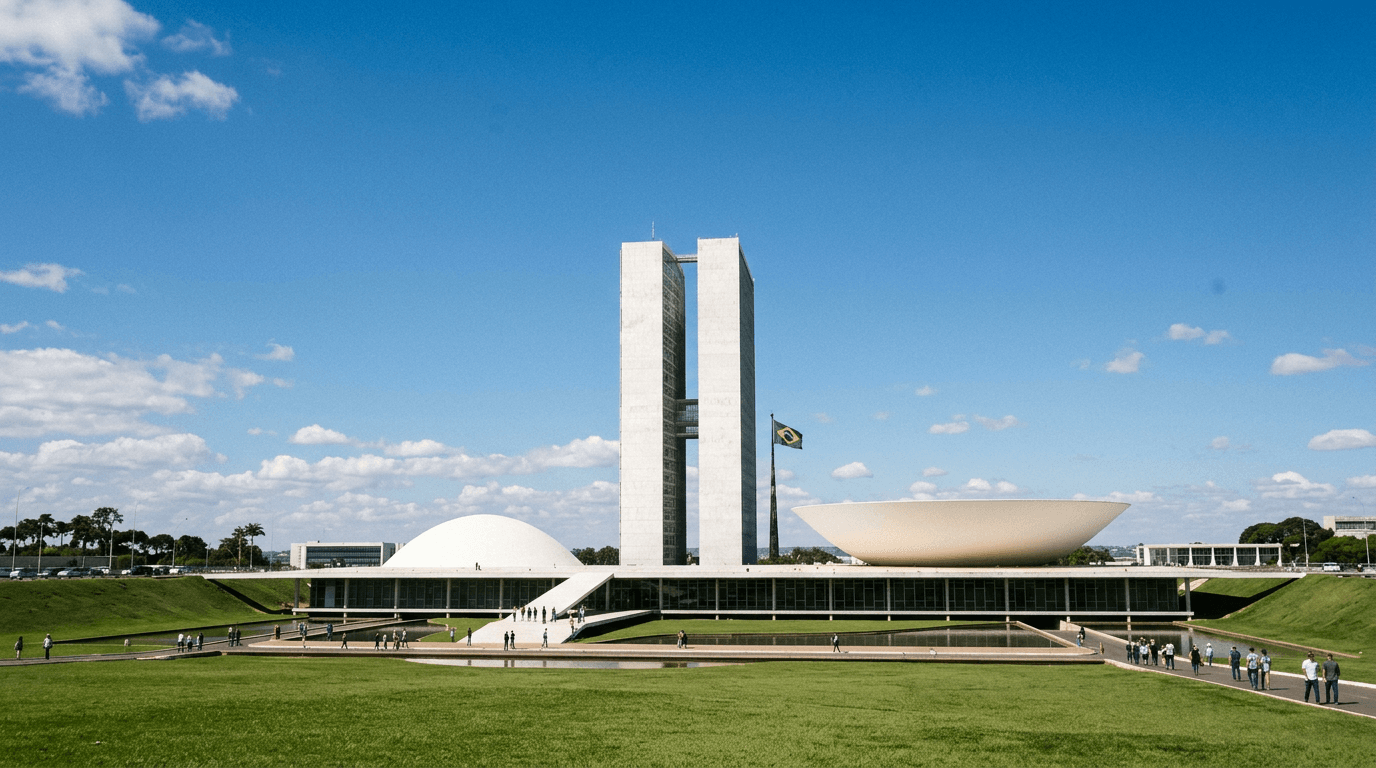
During a campaign rally in São Paulo on October 11, 2026, President Luiz Inácio Lula da Silva announced that the Senate’s Constitution and Justice Committee (CCJ) will resume voting on the Public Security PEC on Wednesday, October 14, 2026. The proposed constitutional amendment aims to expand the federal government's role in coordinating the fight against organized crime across Brazil. By fast-tracking this legislation, the Lula administration is attempting to neutralize a key political vulnerability and reclaim ground on public safety—a core issue driving support for his right-wing rival, Senator Flávio Bolsonaro.
The timing of this legislative push is highly strategic, coming amid a tight presidential race. Lula finished the first round of the election with 45% of the vote, trailing Flávio Bolsonaro, who secured 47%. With the second-round runoff scheduled for October 25, 2026, the administration is eager to show decisive action on crime. Historically, public security in Brazil has been the primary responsibility of individual state governors, leaving the federal government with limited direct authority. This decentralization has often hindered coordinated efforts to combat powerful, transnational drug trafficking factions and local militias.
The proposed amendment, officially known as PEC 18 of 2025, seeks to change this dynamic by giving constitutional status to the Unified Public Security System (SUSP). This change would establish a permanent framework for joint operations and intelligence sharing between federal, state, and municipal forces. Additionally, the bill expands the jurisdiction of the Federal Police (PF) and the Federal Highway Police (PRF) to actively target organized crime networks. It also guarantees constitutional protection for federal funds dedicated to public safety and penitentiary systems, preventing those resources from being diverted to other areas of the budget.
Lula has promised that if Congress fully approves the constitutional amendment, his administration will immediately establish a standalone Ministry of Public Security. Currently, public safety is managed under the umbrella of the Ministry of Justice and Public Security. Creating a dedicated cabinet-level ministry would allow for a highly focused, federally directed offensive against criminal organizations. "When the federal government enters public security, we will guarantee safety to the working people, and jail to the criminals," Lula declared during his address.
While the CCJ approved the general text of the amendment in September, final progress was halted by opposition senators who filed "destaques"—procedural requests to isolate and vote on specific clauses individually. On October 14, 2026, the committee will begin voting on these outstanding items. Camilo Santana, the coordinator of Lula's campaign and a prominent Senate figure, stated that the government intends to file an urgency petition immediately after the committee vote to bypass further delays and send the bill directly to the Senate floor.
To pass a constitutional amendment in Brazil, the proposal must secure a three-fifths majority in both the Chamber of Deputies and the Senate in two separate rounds of voting. Because the Senate rapporteur, Senator Rogério Carvalho, maintained the core text previously approved by the Chamber of Deputies, the bill will not need to return to the lower house if the Senate passes it without major alterations. This streamlined path is critical for the administration as it races against the electoral clock.