
Lula fast-tracks 6x1 workweek vote to squeeze Flávio Bolsonaro
President Lula has pushed a Senate vote on ending Brazil's 6x1 workweek to October 14, placing rival Flávio Bolsonaro in a tight spot before the runoff.
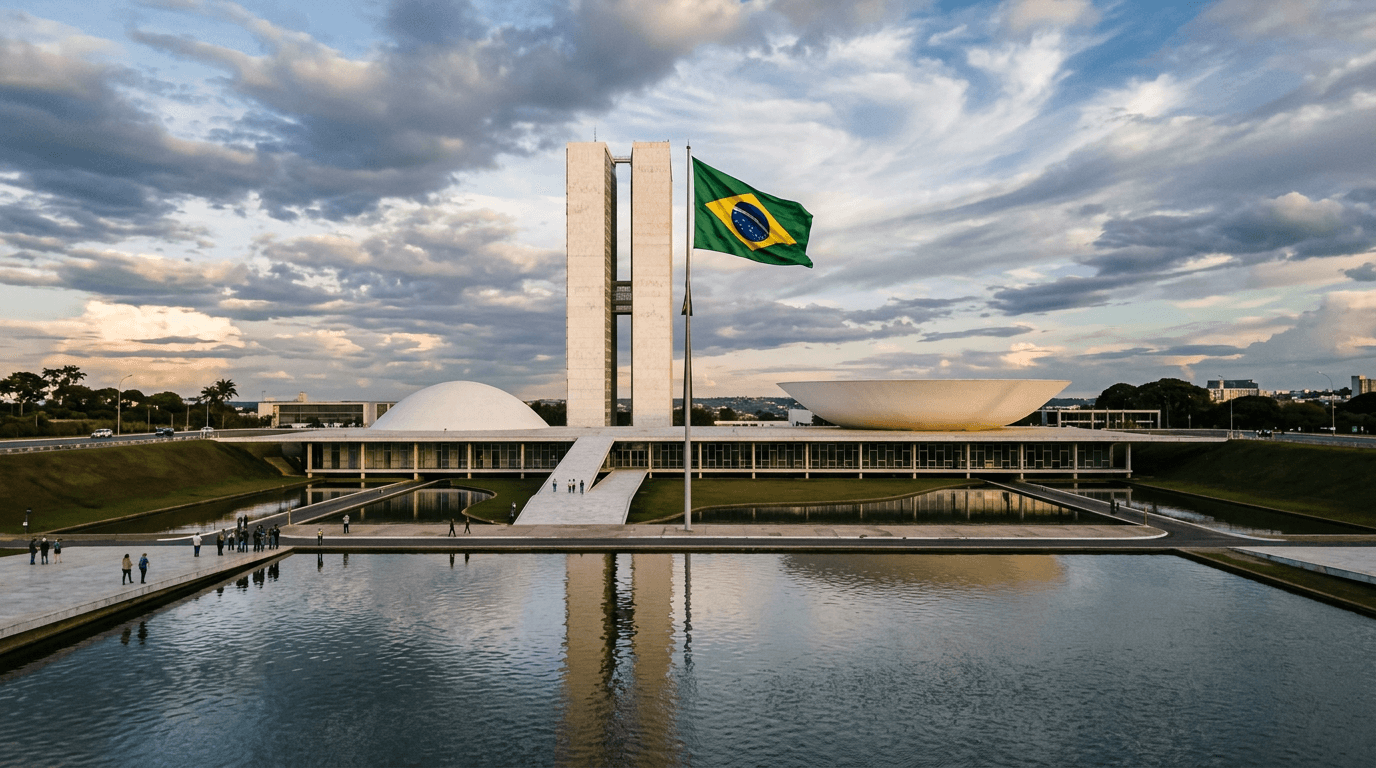
In a high-stakes legislative maneuver designed to reshape the final stretch of Brazil’s presidential race, President Luiz Inácio Lula da Silva has successfully pressured the Federal Senate to fast-track a vote on a highly popular labor reform. On Sunday, October 11, 2026, President Lula announced that Senate President Davi Alcolumbre has scheduled the first-round vote on a constitutional amendment (PEC) to abolish the country's traditional "6x1" workweek for Wednesday, October 14, 2026. The sudden scheduling forces conservative frontrunner Senator Flávio Bolsonaro into a difficult political corner just days before the decisive presidential runoff election.
The proposed constitutional amendment, which cleared the Chamber of Deputies in May 2026, aims to dismantle Brazil's long-standing labor practice where employees work six consecutive days followed by a single day of rest. Under the new framework, the maximum statutory workweek would be reduced from 44 to 40 hours, guaranteeing workers two mandatory rest days per week without any reduction in salary. The reform, which began as a viral social media campaign by a pharmacy clerk, has garnered immense public support among working-class Brazilians who view the current system as physically and mentally exhausting.
By forcing a floor vote now, Lula is using the legislative calendar as an electoral weapon against Flávio Bolsonaro, who led the first round of the presidential election on October 4 with 47.03% of the vote. Flávio Bolsonaro, the son of former President Jair Bolsonaro, has publicly opposed the current draft of the bill, arguing that a rigid mandate will trigger mass layoffs and harm small businesses. Instead, the conservative candidate has advocated for an hourly pay model that would allow workers to negotiate their own hours—a position Lula has dismissed as a "trap" designed to erode workers' rights.
The timing of the vote presents a major tactical challenge for the Bolsonaro campaign. Opposing a widely popular measure that promises more rest days to millions of voters could alienate moderate, working-class electorates in the final days of the campaign. Conversely, voting in favor would alienate his core business constituency, which strongly opposes the projected rise in labor costs. Lula has openly challenged his rival to show his hand, accusing Flávio of quietly instructing his Liberal Party (PL) allies to abstain from the vote to avoid taking a public stance.
For the constitutional amendment to pass the Senate, it requires a three-fifths majority (49 of the 81 senators) in two separate rounds of voting. Senate President Davi Alcolumbre, who is balancing his own political alliances, agreed to hold the vote after intense negotiations with the presidential palace. Even if the bill faces delays or amendments on the Senate floor, the scheduled debate ensures that labor rights and the cost of business will remain the central battleground of the presidential race until voters head back to the polls.
What it touches
The fast-tracked labor vote introduces immediate volatility for Brazilian equities, particularly retail, services, and industrial sectors where the 6x1 shift is highly prevalent. Investors monitoring the MSCI Brazil ETF (EWZ) are closely watching the legislative outcome, as a transition to a 40-hour workweek is projected to increase structural labor costs and alter corporate operating margins across Latin America's largest economy.