
Lula Digital Strategy Backfires as Young Ally's Old Posts Leak
Old social media posts from newly elected deputy Ana Elisa spark a crisis for Lula's campaign, threatening his support among moderate and evangelical voters.
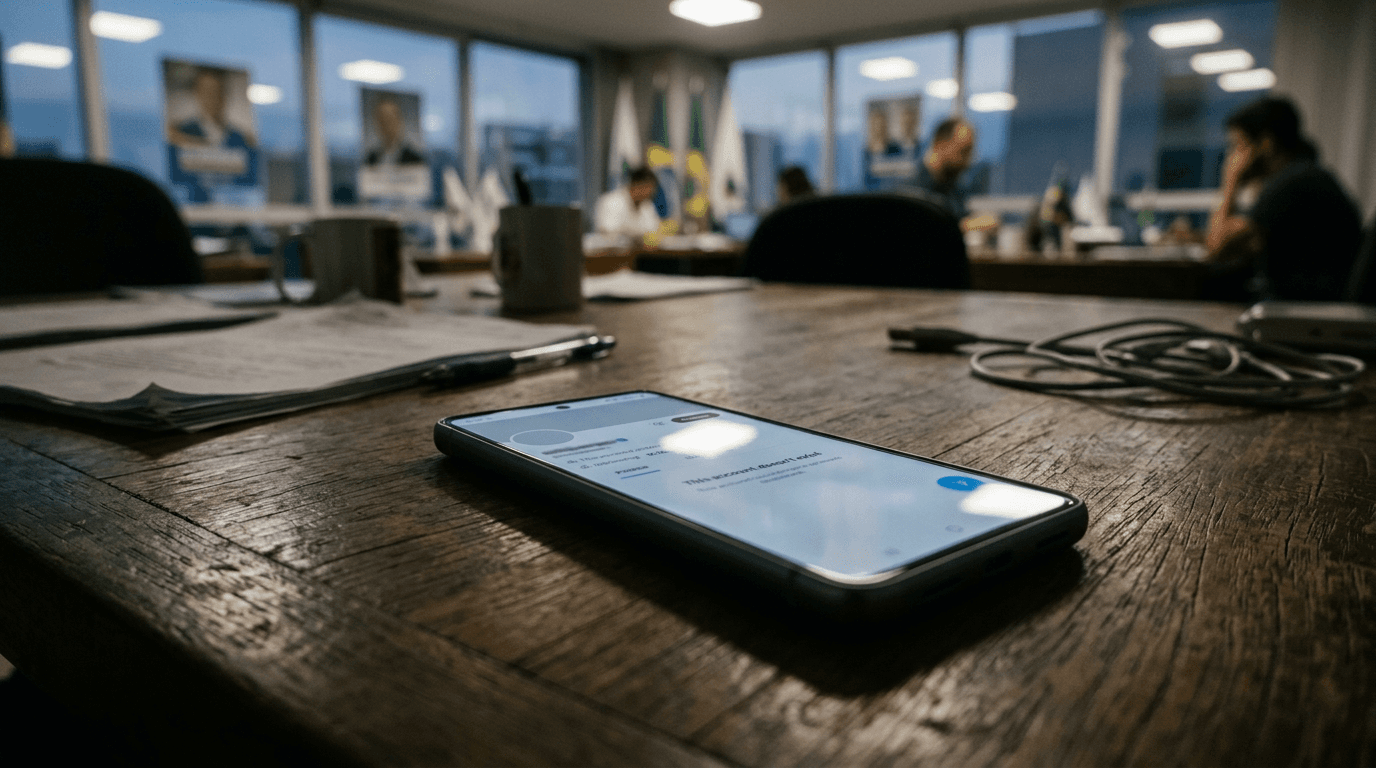
A high-stakes push by Brazilian President Luiz Inácio Lula da Silva to modernize his digital campaign has triggered a major political crisis. Seeking to narrow the gap in a tight presidential runoff against Senator Flávio Bolsonaro, Lula's campaign recruited 21-year-old Ana Elisa, a newly elected federal deputy from Minas Gerais and a prominent left-wing social media influencer. However, the strategy quickly backfired when opposition figures unearthed controversial past social media posts attributed to her, threatening Lula's delicate standing with moderate and evangelical voters.
The controversy erupted on October 8, 2026, when prominent conservative lawmakers, including Minas Gerais Deputy Nikolas Ferreira, shared screenshots of Ana Elisa's old posts. The unearthed messages included a 2024 post stating she "hated white people," a call for Supreme Court Justice Alexandre de Moraes to block major messaging apps like WhatsApp, and a highly contentious post from 2022 suggesting that Lula should "close churches". While Ana Elisa admitted to writing several of the controversial posts and apologized, her team vehemently denied the anti-church post, calling it a fabricated montage created when she was a minor.
The fallout was immediate. Facing intense online backlash and security threats, Ana Elisa deactivated her account on the social media platform X. Conservative groups capitalized on the leaks, using them to reinforce long-standing allegations that Lula's Workers' Party (PT) harbors anti-religious sentiment. The timing is particularly damaging for Lula, who has struggled in recent polls and desperately needs to win over religious moderates in Brazil's highly influential evangelical demographic to secure victory.
The incident has also exposed deep strategic rifts within Lula's inner circle. According to reports from Estadão, First Lady Janja da Silva had strongly opposed bringing the young influencer into the campaign's core team during a strategy meeting, dryly remarking, "Only if we actually want to lose". Despite her warnings, campaign managers moved forward with the partnership, filming joint videos of Lula and Ana Elisa in an attempt to appeal to younger voters.
With the decisive runoff election rapidly approaching, Lula's campaign is now forced into damage-control mode, attempting to distance the president from his young ally's past rhetoric while defending her against subsequent threats of violence. Whether the campaign can successfully pivot back to its economic messaging remains to be seen, but the digital misstep has given the conservative opposition powerful ammunition at the worst possible moment.