
Brazil Senate Fast-Tracks Vote to End Six-Day Workweek
Senate President Davi Alcolumbre scheduled a key vote on PEC 221/2019, fueling a clash between Lula and the right wing ahead of the presidential runoff.
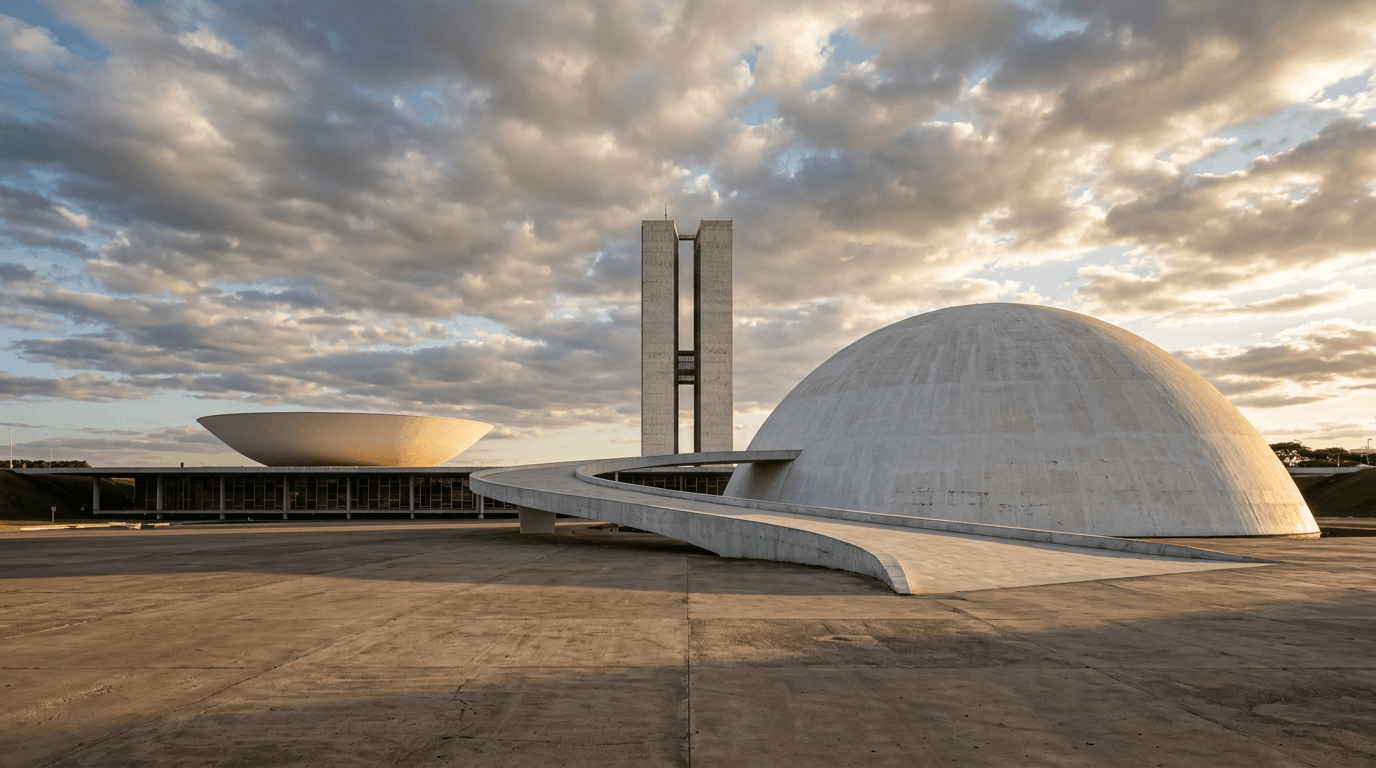
In a move that has thrust labor rights to the forefront of Brazil's highly polarized presidential campaign, Senate President Davi Alcolumbre has scheduled a high-stakes vote to eliminate the country's traditional six-day workweek. The first-round vote on the constitutional amendment, known as PEC 221/2019, is set for Wednesday, October 14, 2026. The proposal seeks to reduce the maximum weekly working hours from 44 to 40 and guarantee workers a two-day weekly rest period without any reduction in salary.
The timing of the vote is deeply political. It comes just days after the October 4 first-round elections, which saw a strong surge for right-wing candidates, and ahead of the October 25 presidential runoff between leftist President Luiz Inácio Lula da Silva and his right-wing challenger, Senator Flávio Bolsonaro. By fast-tracking the bill, the center-right congressional leadership is forcing a direct clash between Lula’s labor-friendly, working-class platform and the business-aligned right wing, which warns of severe economic disruptions.
To alter the constitution, the amendment requires a three-fifths majority (49 of 81 senators) in two separate rounds of voting. While the standard legislative process requires several days of debate between rounds, the pro-Lula government coalition is actively gathering signatures for a "special calendar". If approved by a simple majority, this procedural shortcut would bypass the mandatory waiting periods, potentially allowing both rounds of voting to be completed before the October 25 presidential runoff.
For ordinary Brazilians, the "6x1" model—working six consecutive days with only one day off—has long been a grueling reality, particularly in the retail, services, and hospitality sectors. Leftist and social movements have rallied behind the reform, calling it a matter of basic human dignity. Conversely, business associations and conservative lawmakers, led by allies of Flávio Bolsonaro, have lobbied intensively to delay or defeat the bill. They argue that a sudden shift to a five-day workweek will spike operational costs, fuel inflation, and force small businesses to lay off workers.
The debate has already forced politicians from all sides to tread carefully. Even some conservative figures, such as the newly elected governor of Minas Gerais, Senator Cleitinho Azevedo, have publicly backed the end of the 6x1 schedule to appeal to working-class voters. As the Senate prepares for Wednesday’s vote, the outcome will serve as a crucial barometer of political strength and a defining issue for millions of voters heading to the polls.
What it touches
The legislative push directly impacts Brazilian consumer-facing sectors, particularly retail, supermarkets, and services, which rely heavily on the six-day operational schedule. Uncontrolled increases in labor costs could pressure corporate margins, a risk closely watched by international investors holding the MSCI Brazil ETF (EWZ).