
Lula Blasts UN Security Council as 'Hostage' to Inaction, Outlines Assertive Brazil Foreign Policy
Brazilian President Luiz Inácio Lula da Silva used his address to the UN General Assembly to fiercely criticize the Security Council's failure to prevent global conflict, while asserting Brazil's non-aligned stance and sovereignty.
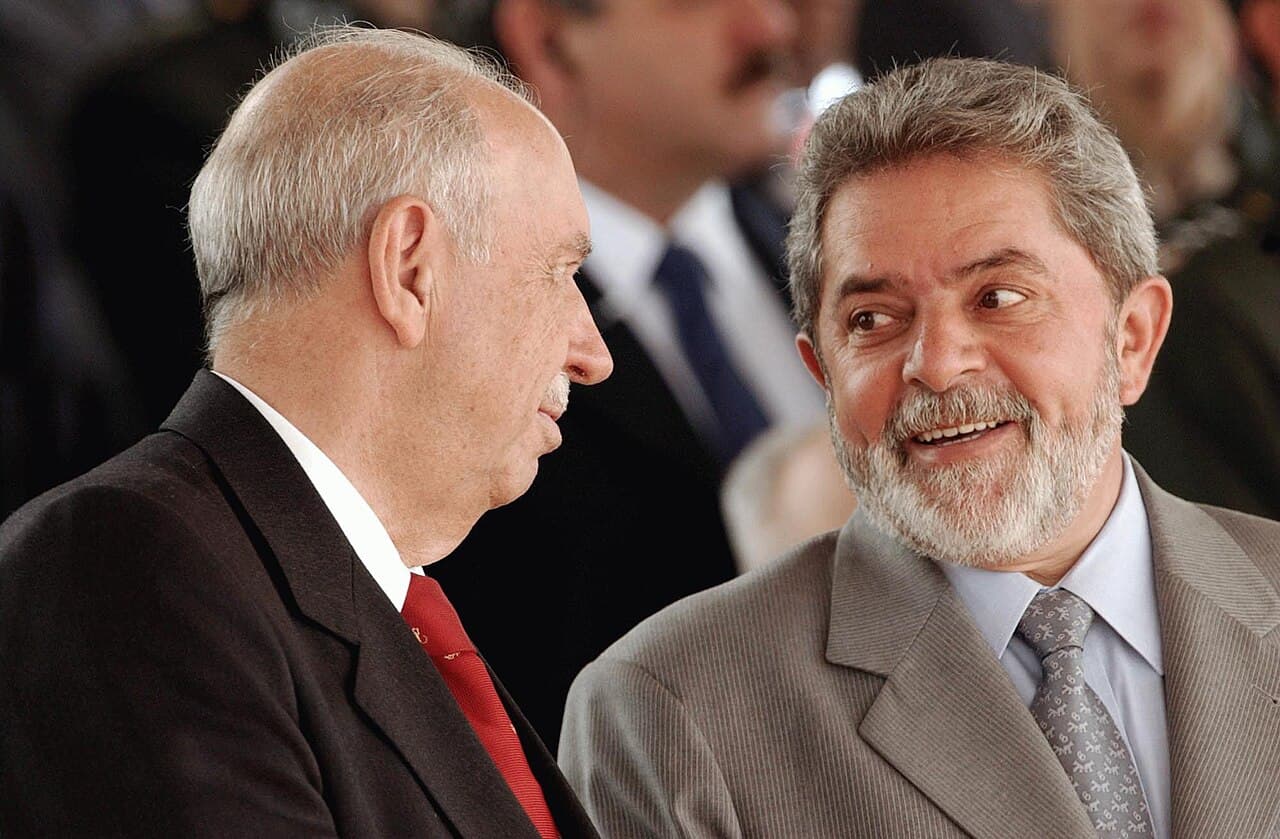
Brazilian President Luiz Inácio Lula da Silva launched a sweeping critique of the United Nations in his address to the General Assembly in New York on Tuesday, declaring the institution's credibility is at an "all-time low" due to its failure to prevent escalating global conflicts. The speech, delivered at the start of the high-level debate, served as an emphatic statement of Brazil’s assertive, non-aligned foreign policy, placing the blame for global paralysis squarely on the UN Security Council.
President Lula, a two-time former President now serving his third nonconsecutive term, told the assembly that the world has become "hostage to the inaction of the Security Council," saying the body "does not fulfill its role" and that concessions to the "law of the strongest have gone too far." He called for immediate reform of the Council, criticizing the veto power held by its five permanent members (China, France, Russia, the United Kingdom, and the United States) and urging a choice between multilateralism or a "global fragmentation" fueled by geopolitical tensions and a new arms race.
The speech also delivered a pointed message on sovereignty, less than two weeks before Brazilians vote in a national election. Lula warned emphatically against foreign interference in national affairs, stating that "Brazilian democracy belongs to Brazilians" and that "Brazil is nobody's backyard." This declaration comes amid heightened political friction with the United States, including a recent imposition of US tariffs and public backing from US figures for the political family of his main rival.
Lula framed Brazil’s position as a voice for the Global South, demanding an immediate end to ongoing wars, including in Ukraine and the Middle East, and calling for peace negotiations rooted in diplomacy and respect for international humanitarian law. The message signals Brazil's continued push to position itself as a neutral global mediator, even as its relationship with major powers grows more complex.
What to watch next is how Brazil’s diplomatic corp follows up on Lula’s demands for UN reform, which the President suggested could involve a conference to review the UN Charter. More immediately, the domestic political impact of his anti-interference stance will be closely monitored as the October 4 election approaches, where the warnings may be used to rally support against perceived external meddling in the country’s democratic process.
Related coverage
Politics
Brazil’s Tax Reform Forces Small Businesses to Choose a Complex ‘Hybrid Regime’
Published
Politics · PRO
Brazil's Public Debt Hits 82.5% of GDP, Highest Level Since 2021, Constraining Next President
Published
Politics · PRO
Lula Government Seeks 6-Year Prison Term for Illegal Brazil Betting Operators
Published