
Lula Advisor Celso Amorim Warns Congress of US Intervention in Brazil Election, Citing Monroe Doctrine
Tensions rise as Lula's top advisor warns the US is using its historic Monroe Doctrine to justify meddling in the upcoming presidential election.
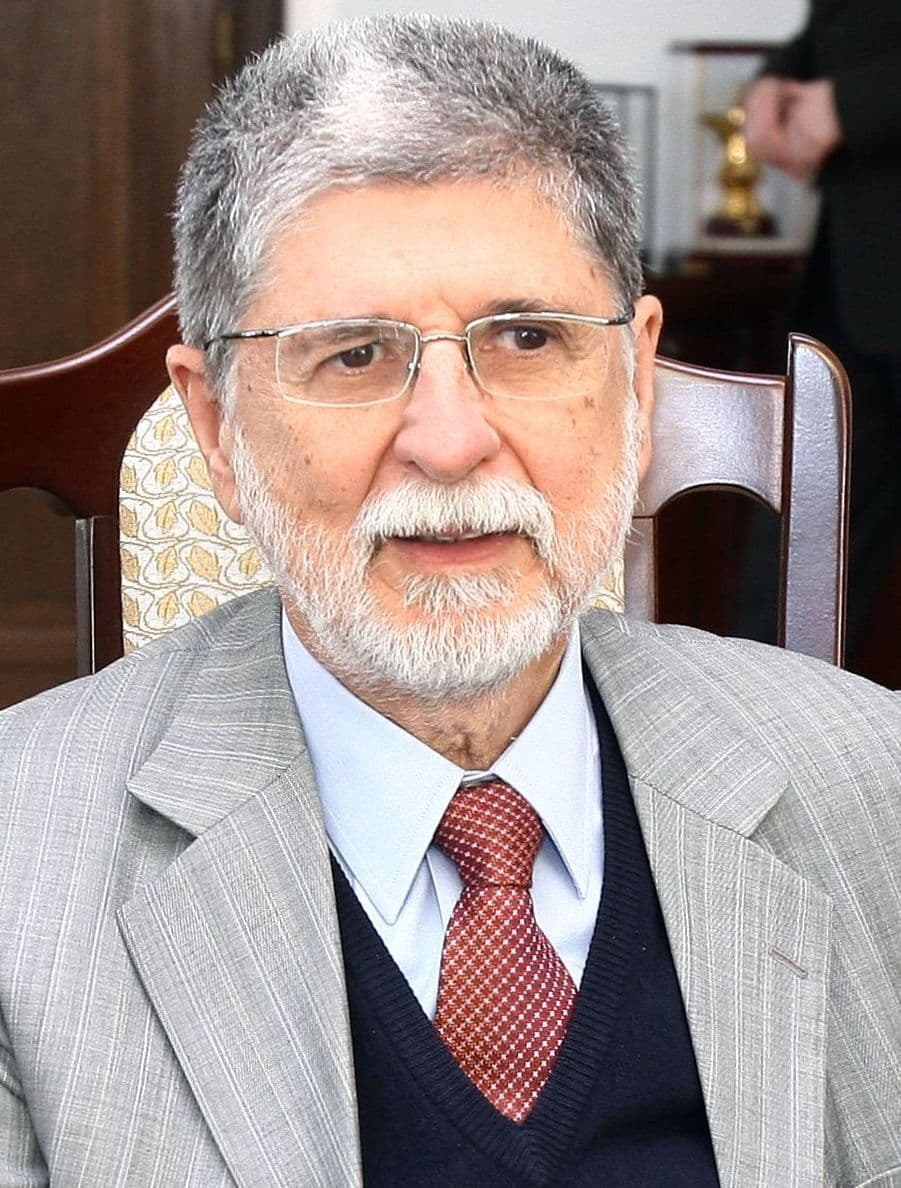
The chief foreign policy advisor to President Luiz Inácio Lula da Silva, Celso Amorim, has formally warned the Brazilian Congress that the United States is at risk of direct intervention in the country’s general election, citing the two-century-old “Monroe Doctrine” as a guiding mechanism for the alleged interference. The high-profile warning from one of Lula’s most trusted aides heightens political risk and strains US-Brazil diplomatic relations just weeks ahead of the October vote, in which the leftist incumbent faces a tight race against the far-right candidate, Flávio Bolsonaro. Amorim, a veteran diplomat and former foreign minister, told lawmakers that a recent US government video and policy statements promoting the 1823 doctrine—which originally warned European powers against colonization in the Americas—amount to an implicit threat to Brazil’s sovereignty by asserting US regional dominance.
The diplomatic tension escalated following a recent decision by the Brazilian Ministry of Foreign Affairs (Itamaraty) to deny visas to two senior US State Department officials who had planned a visit to Brasília. The Brazilian government saw the planned mission as an attempt to undermine the integrity of the country’s electronic voting system, which is widely trusted in Brazil and has been a standard-bearer for South America but which Flávio Bolsonaro has repeatedly questioned without evidence, mirroring claims made by his father, former President Jair Bolsonaro, in the previous election. The US State Department publicly denied that its planned diplomatic visit was an attempt to destabilize the electoral system, calling the allegations “unfounded lies” and insisting the mission, which included Trump political appointees, was routine.
Amorim's concerns reflect a broader view within the Lula administration that Washington, particularly under a Trump presidency, is using both political and economic tools to pressure Brazil. The allegations of US support for the Bolsonaro camp are rooted in years of close political signaling between Donald Trump and the Bolsonaro family. Furthermore, the diplomatic spat occurred in the wake of the Trump administration imposing new tariffs on Brazilian goods, which President Lula's government dismissed as being based on “baseless” claims and accused the US of using economic pressure to influence Brazilian politics and sovereignty.
For the intelligent foreigner seeking to understand the dynamics of this key South American nation, the episode underscores a fundamental clash of foreign policy visions. Amorim, a long-time architect of Brazil's independent foreign policy, sees the latest US moves as an attempt to subordinate Latin America and curtail Brazil's role as a major power in the Global South. As the election draws nearer, the focus will be on whether the Lula administration takes further steps to insulate the electoral process, and how the US manages its diplomatic presence in Brasília given the freeze on approving a new ambassador until after the vote.
What it touches The diplomatic strain increases political risk perceptions for investors watching the tight presidential race, which is already a dominant factor in the outlook for Brazilian assets. The economic friction, specifically the re-imposition of US trade tariffs on Brazilian exports, could impact specific sectors and trade volumes, maintaining pressure on the broader US-Brazil trade relationship.