
Flávio Bolsonaro Campaign Reaches Out to Supreme Court to Ease Tensions
Intermediaries for presidential front-runner Flávio Bolsonaro have approached Supreme Court Dean Gilmar Mendes to secure post-election institutional stability.
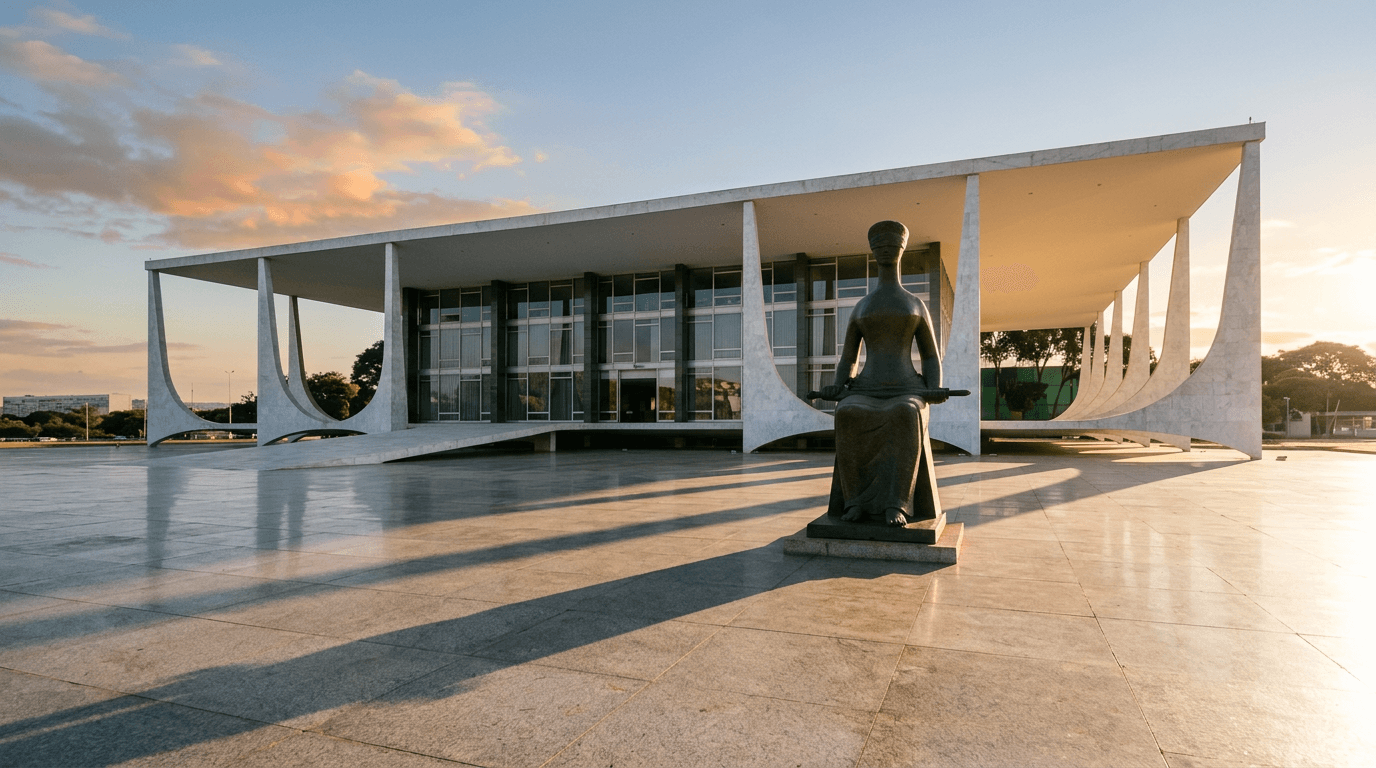
Intermediaries for Brazilian presidential candidate Flávio Bolsonaro have initiated backchannel negotiations with Supreme Court Dean Gilmar Mendes to establish a stable working relationship in the event of a election victory. The outreach, reported on October 11, 2026, by G1, signals a strategic effort by the right-wing front-runner to defuse institutional tensions and assure observers of governance stability.
The Supreme Court (Supremo Tribunal Federal or STF) is Brazil’s highest judicial body, serving as the ultimate arbiter of constitutional matters and possessing broad powers to investigate politicians. Over the past several years, the court has been locked in a bitter feud with the Bolsonaro family and its conservative allies, who have frequently accused the justices of judicial overreach. By opening a direct line of communication with Mendes, the longest-serving "dean" of the court, Flávio Bolsonaro’s campaign aims to prevent a full-blown constitutional crisis that could paralyze a future administration.
This diplomatic push follows several significant judicial gestures that have helped pave the way for dialogue. On October 6, 2026, Justice Mendes formally archived a criminal investigation against Flávio’s vice-presidential running mate, Alfredo Gaspar, citing a lack of evidence. Additionally, the court has recently eased detention conditions for some individuals arrested during the January 8, 2023, riots in Brasília.
The backchannel talks are also focused on managing highly sensitive legal vulnerabilities, most notably the "Caso Master" investigation involving Flávio Bolsonaro. In exchange for a non-aggression pact, the candidate's allies are reportedly signaling that a future Bolsonaro administration would not actively lead a campaign to impeach controversial justices, such as Alexandre de Moraes, instead leaving such highly charged political battles to the legislative branch.
For international observers, the primary concern surrounding the 2026 Brazilian election has been political risk and the potential for institutional gridlock. If these negotiations succeed in establishing a functional truce between the executive branch and the judiciary, it could significantly lower the political risk premium that has historically weighed on the country's governance.
What it touches
A reduction in institutional friction between the presidency and the Supreme Court directly impacts the investment climate for Brazilian equities. The iShares MSCI Brazil ETF (EWZ), which tracks the country's largest publicly traded companies, is highly sensitive to domestic political instability and governance risks. A credible path toward institutional peace would likely relieve the political discount currently priced into Brazilian assets, offering a more predictable environment for foreign capital.