
Electoral Court Power Struggle Erupts Over Lula's WhatsApp Channel
Brazil's Superior Electoral Court is locked in an institutional clash after its president suspended and its inspector general restored a 3.4-million-member pro-Lula channel.
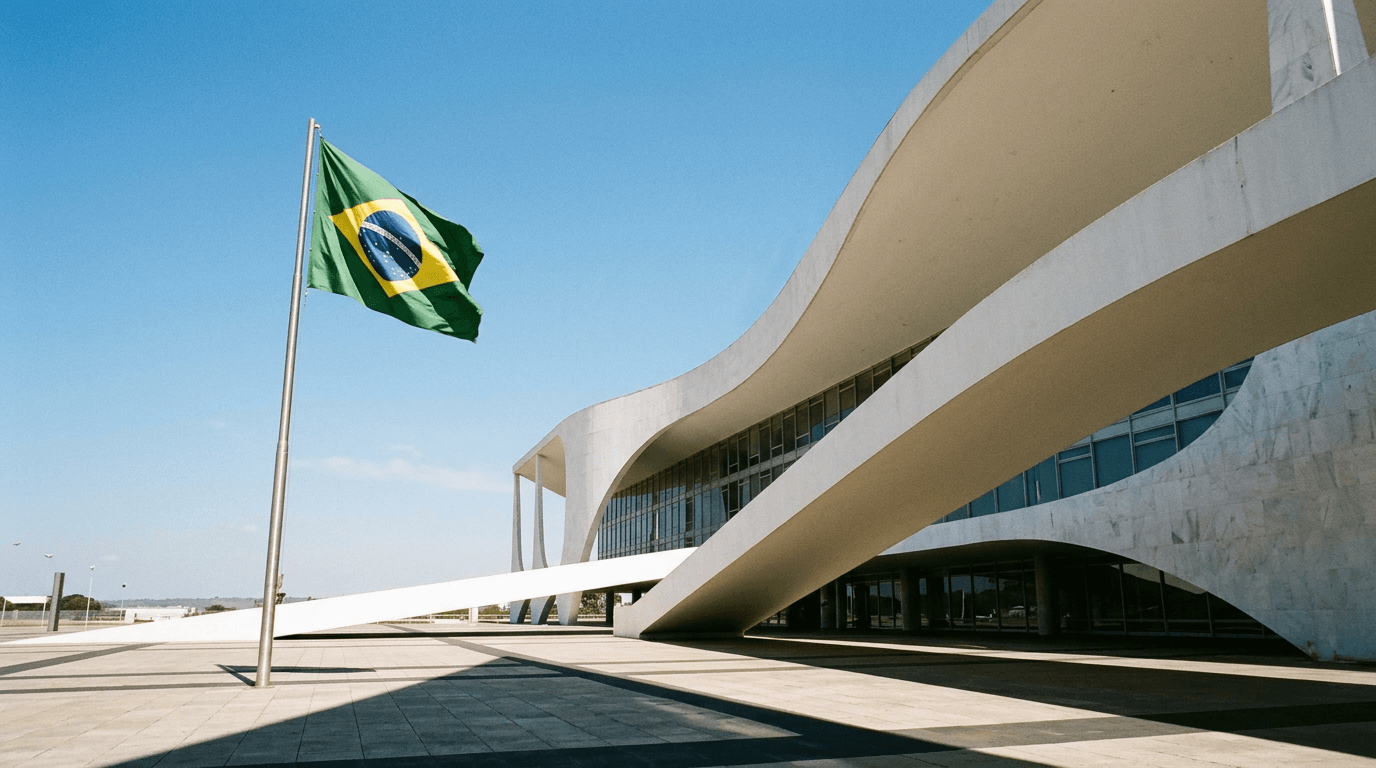
An institutional power struggle has erupted at the summit of Brazil's Superior Electoral Court (TSE). The clash centers on a massive WhatsApp broadcast channel with over 3.3 million members dedicated to mobilizing supporters for President Luiz Inácio Lula da Silva ahead of the October 25 presidential runoff election. The sudden judicial conflict highlights the volatile, high-stakes battleground of digital campaigning and judicial oversight in modern Brazilian politics.
The conflict began on Sunday morning, October 11, 2026, when TSE President Kassio Nunes Marques ordered the immediate suspension of the "Exército do Lula" (Lula's Army) WhatsApp channel. Nunes Marques, who was appointed to the Supreme Court by former President Jair Bolsonaro, acted on a petition from the campaign of Senator Flávio Bolsonaro, Lula's opponent in the runoff. The Bolsonaro campaign accused the channel of systematically distributing coordinated misinformation, including false claims about pension cuts and religious policies. Nunes Marques gave the platform's parent company, Meta, a strict three-hour window to block the channel.
Just hours later, the court’s Inspector General, Ricardo Villas Bôas Cueva, dramatically overturned the suspension. Cueva, who was already reviewing the case in a separate docket, accused the Bolsonaro campaign of bypassing established jurisdiction by filing an administrative petition to the court presidency just 41 minutes after he had ordered them to provide more evidence. In his ruling, Cueva stated that a blanket ban on a communication channel of this scale lacked sufficient proof and violated the principle of minimal judicial intervention in democratic debates. He restored the channel’s functionality, permitting new posts and followers while the case awaits a definitive ruling by the full TSE plenary.
The "Exército do Lula" channel, managed by influential federal deputy André Janones, has grown exponentially from 55,000 members to over 3.2 million in a matter of days following the first-round vote. It serves as the primary digital engine for the Workers' Party (PT) to coordinate messaging, distribute campaign materials, and assign "missions" to online supporters. Janones vehemently denied the allegations of spreading fake news, calling the initial suspension an act of "censura" (censorship) prompted by the opposition's fear of the PT's digital reach. Meanwhile, President Lula criticized the initial suspension as an "absurd" and "undue intrusion" into the electoral process.
This public disagreement between two of the country's most powerful electoral judges underscores the immense political risk surrounding the 2026 runoff. In Brazil, the brazil superior electoral court holds sweeping powers to police campaign speech, regulate digital platforms, and even disqualify candidates. The open dispute over the "juiz natural" (the proper presiding judge) and the limits of preemptive censorship reveals deep internal divisions over how the court should police the digital landscape without appearing partisan. The final status of the channel now rests on an urgent plenary vote by all seven TSE ministers.