
Emerging market funds face Brazil budget strain after $4.3B welfare hike
Brazil accelerates a major welfare payout just days before a tight presidential runoff, raising fiscal concerns for international investors holding emerging market assets.
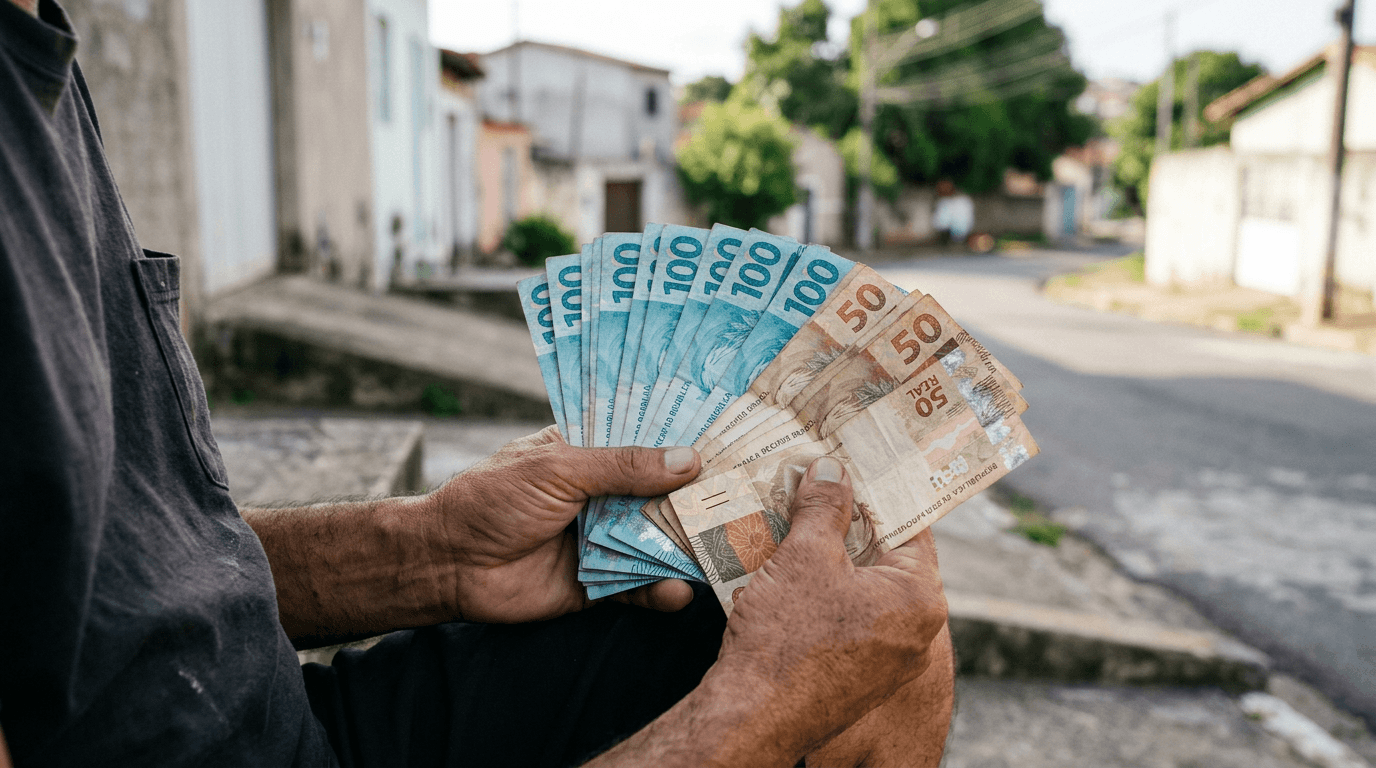
Global investors holding diversified emerging market funds may soon feel the fiscal ripple effects of a sudden policy shift in Latin America’s largest economy. On October 19, 2026, the Brazilian government began distributing an accelerated, newly increased welfare payout to millions of families. The rapid cash injection, occurring just days before a highly competitive presidential runoff, has reignited concerns over the country's long-term budget discipline and the stability of its public finances.
The administration of President Luiz Inácio Lula da Silva restructured the payment schedule for its flagship social program, Bolsa Família, compressing the traditional two-week distribution cycle so that all payouts conclude by October 21, 2026. This puts the cash directly into the hands of approximately 19.3 million vulnerable families exactly four days before the country's decisive October 25 presidential runoff election. While the government officially attributed the sudden acceleration to mitigating the regional climate impacts of the El Niño weather phenomenon, the timing has intensified political and market scrutiny.
The accelerated distribution follows a substantial 15.04% increase in the benefit floor, which raised the minimum monthly household payment from 600 BRL to 691 BRL. According to figures presented by Ministry of Finance Executive Secretary Dario Durigan on September 17, 2026, the expansion carries an immediate fiscal cost of 5.8 billion BRL ($1.14 billion) for the remainder of 2026, escalating to approximately 22.7 billion BRL ($4.47 billion) in 2026–2027.
To accommodate this unbudgeted 22.7 billion BRL expansion, the executive branch must now formally amend the 2027 Budget Guidelines Bill already sent to Congress. While economic officials insist the funding will be absorbed by reallocating administrative savings from social security adjustments, international analysts view the move as an erosion of the country's strict fiscal framework. For foreign portfolio managers, the sudden adjustment highlights the persistent political risk of election-season spending, which threatens to widen the public deficit and pressure local interest rates.
In your brokerage app
For retail investors, these fiscal adjustments directly influence the performance of broad-based international assets. The iShares MSCI Brazil ETF, an exchange-traded fund listed in New York that tracks the investment results of Brazilian equities, is highly sensitive to shifts in the country's sovereign risk premium and the resulting fluctuations of the Brazilian real against the U.S. dollar.