
Electoral Court Brazil to Decide Fate of Key Capital Candidate
Brazil's Superior Electoral Court will rule on former Governor José Roberto Arruda's eligibility, testing recent changes to the Clean Slate Law.
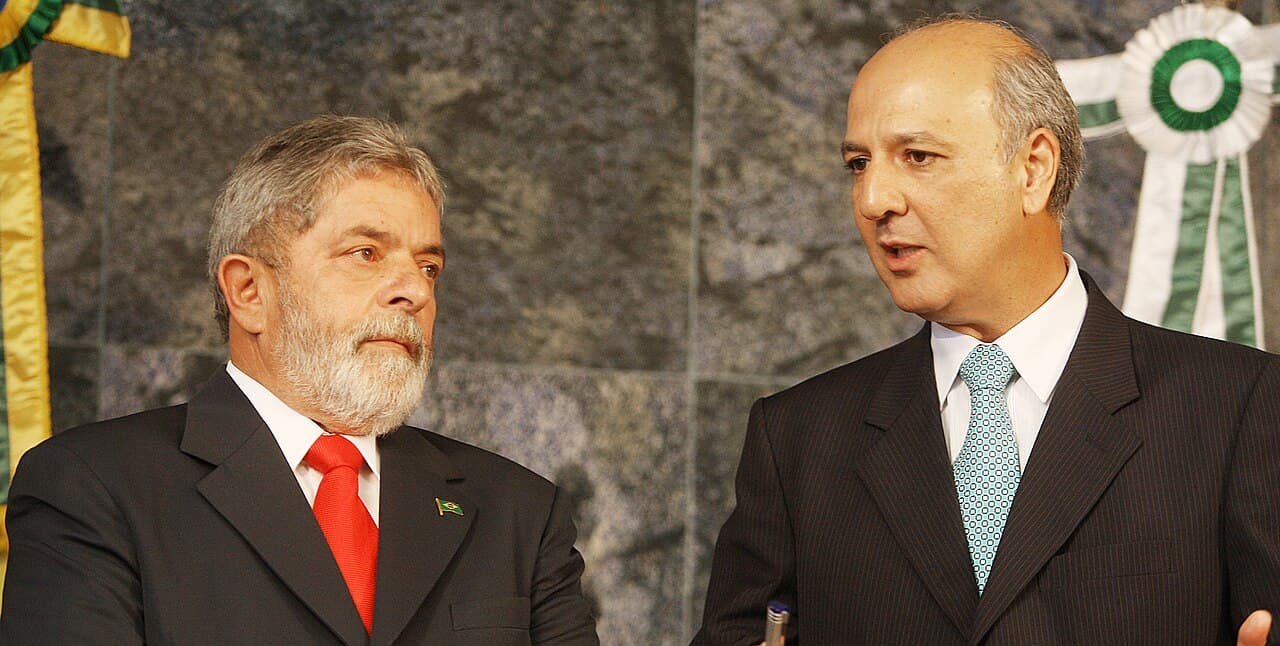
The battle for the governorship of Brazil’s Federal District is headed to the country's highest election judges. In a unanimous 5-0 decision, the Regional Electoral Court of the Federal District (TRE-DF) barred former Governor José Roberto Arruda from running in the upcoming October election, ruling him ineligible until December 2030. Arruda immediately appealed the decision, taking his high-stakes case to the Brazil Superior Electoral Court (TSE) in Brasília.
The legal battle centers on how to apply the Clean Slate Law (Ficha Limpa), Brazil’s landmark anti-corruption legislation. Arruda, who governed the capital region from 2007 until he was removed from office during a massive 2009 corruption scandal known as Operation Pandora's Box, has accumulated seven separate administrative misconduct convictions. His defense team argues that under the legislative amendments passed by Congress in late 2025 (Lei Complementar 219/2025), his multiple convictions should be grouped together under a new 12-year maximum ceiling for related offenses, meaning his ineligibility would have expired in 2022. However, regional judges agreed with electoral prosecutors that his offenses were distinct, independent acts, pushing his ban to 2030.
This pending decision by the electoral court in Brazil carries immense political weight. Brasília is not just the administrative heart of the nation; the Federal District is a wealthy, highly visible territory where local political shifts quickly reverberate through the federal ministries and Congress. Arruda remains a highly influential political figure in the capital. Recent Datafolha polling shows him in a tight statistical tie for first place, holding 28% of voter intentions against the incumbent governor, Celina Leão, who leads with 30%.
If the Brazil Superior Electoral Court upholds the ban, it will completely reshape the capital's race, likely consolidating Leão's position as the frontrunner or opening up space for third-party challengers. Conversely, if the court clears Arruda to run, it will validate the 2025 legislative changes that critics argue have watered down the Clean Slate Law. While the TSE reviews his appeal, Arruda is legally permitted to continue campaigning, leaving voters in the capital in a state of political suspense.