
Brazil’s Lula Proposes Free Weekend Transit Funded by Earmark Cuts
President Lula is sending a constitutional amendment to fund free weekend transit by diverting 25% of mandatory congressional budget earmarks.
Global investors holding broad emerging market funds are seeing a new fiscal battleground open up in Latin America’s largest economy. The traditional tug-of-war between executive spending and legislative pork-barrel politics is escalating into a structural fight over who controls the national budget, threatening to complicate the country's fiscal outlook.
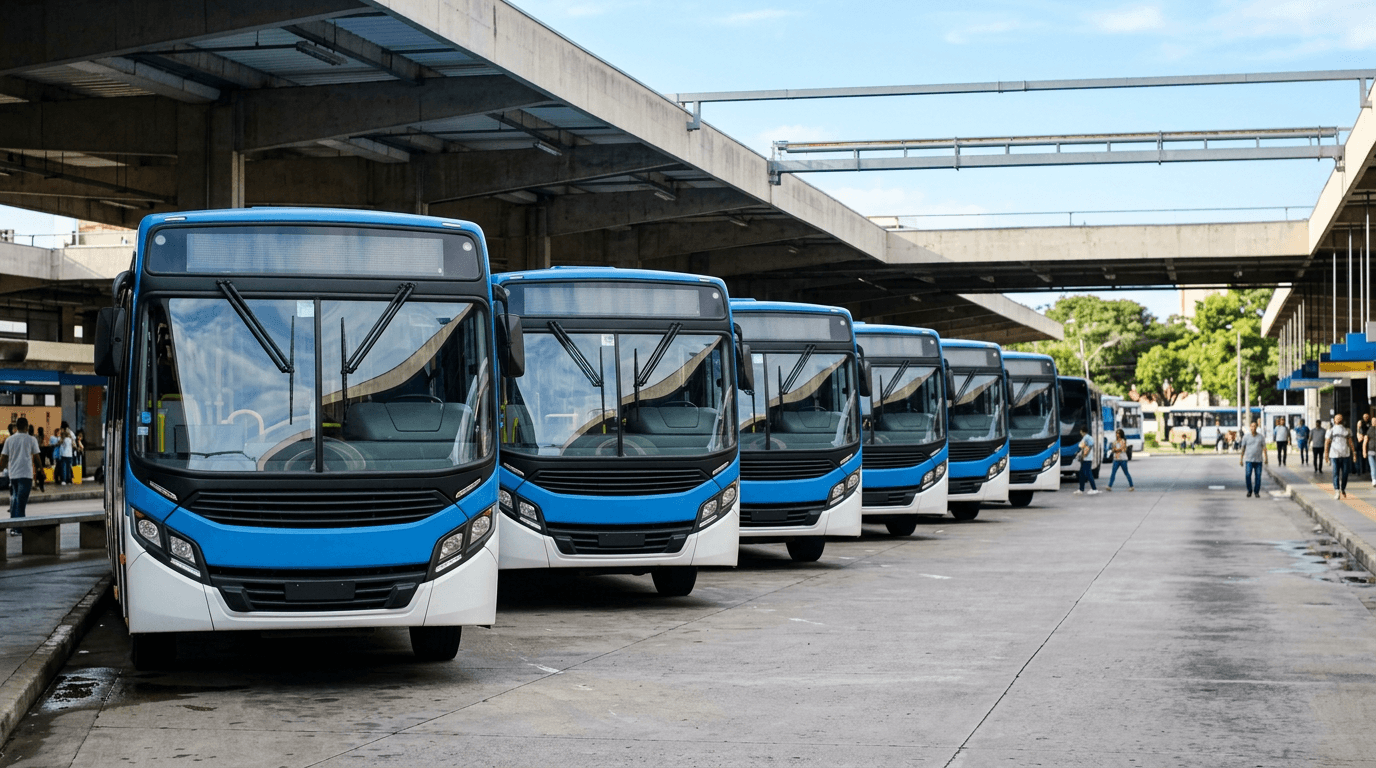
On October 21, 2026, Brazilian President Luiz Inácio Lula da Silva is sending a Constitutional Amendment Proposal (PEC) to Congress to establish free public transit on weekends nationwide. The proposal aims to fund the estimated 11.2 billion reais ($2.2 billion) annual cost by mandating that at least 25% of mandatory congressional budget earmarks, known locally as emendas, be diverted directly to municipal transit systems.
This maneuver targets the highly guarded legislative budget. Under Brazil's current political framework, lawmakers rely heavily on these individual and regional earmarks to secure infrastructure projects and guarantee their reelection in home districts. Lula acknowledged that the proposal will face fierce resistance in the conservative-leaning legislature, calling the upcoming negotiation a "little fight" (briguinha) over budget control during a broadcast interview on October 19, 2026.
The timing of the amendment is closely tied to Brazil's highly polarized electoral cycle. The proposal comes just days before the October 25, 2026, presidential runoff election, where Lula is locked in a tight race against right-wing Senator Flávio Bolsonaro. Economists warn that a flurry of late-campaign economic measures—including expanded fuel subsidies and cash transfer increases—could heighten investor anxiety regarding public finances and put upward pressure on the country's debt trajectory.
To pass, the constitutional amendment requires a three-fifths majority in both the Chamber of Deputies and the Senate across two rounds of voting. Because the proposal seeks to redirect existing legislative funds rather than printing new money or breaching the federal spending ceiling, the executive branch argues it is fiscally neutral. However, the political friction it creates could stall other crucial economic reforms currently sitting before Congress.
In your brokerage app
For retail investors holding the iShares MSCI Brazil ETF (EWZ), which tracks the performance of large and mid-sized Brazilian equities, this legislative friction represents a key variable. While the free-transit proposal does not directly target listed corporate earnings, the political gridlock resulting from a battle over budget earmarks can influence sovereign risk premiums, fluctuate the Brazilian real, and impact the broader performance of the US-listed fund.