
Electoral Court Bars Over 1,200 Candidates, Leaving Brazil’s Congress Composition in Doubt
Brazil’s Superior Electoral Court has barred over 1,200 candidates for the 2026 general elections, with 73% appealing, creating uncertainty for the next Congress.
The final composition of Brazil’s next Congress and state assemblies remains uncertain just weeks before the October 2026 general elections, after the Superior Electoral Court (TSE) and regional courts barred more than 1,200 candidacies. The vast majority of these candidates—approximately 73%—are still actively campaigning and appear on the ballot while they appeal the adverse decisions.
The bulk of the rejections hit candidates for proportional seats, primarily those running for federal deputy (494 cases) and state deputy (561 cases). These are the seats that will form the legislative bodies responsible for debating critical policy issues, including key fiscal reforms. For foreign readers, the TSE is the apex of Brazil's specialized electoral justice system, responsible for regulating and overseeing all elections.
The primary legal mechanism for the rejections is the “absence of a condition of eligibility,” which is frequently tied to the Lei da Ficha Limpa, or Clean Slate Law. Enacted in 2010 through a grassroots popular initiative, the Clean Slate Law significantly expanded the criteria for declaring a politician ineligible, allowing candidates to be barred upon conviction by a lower collegiate court, rather than requiring the exhaustion of all appeals at the highest level.
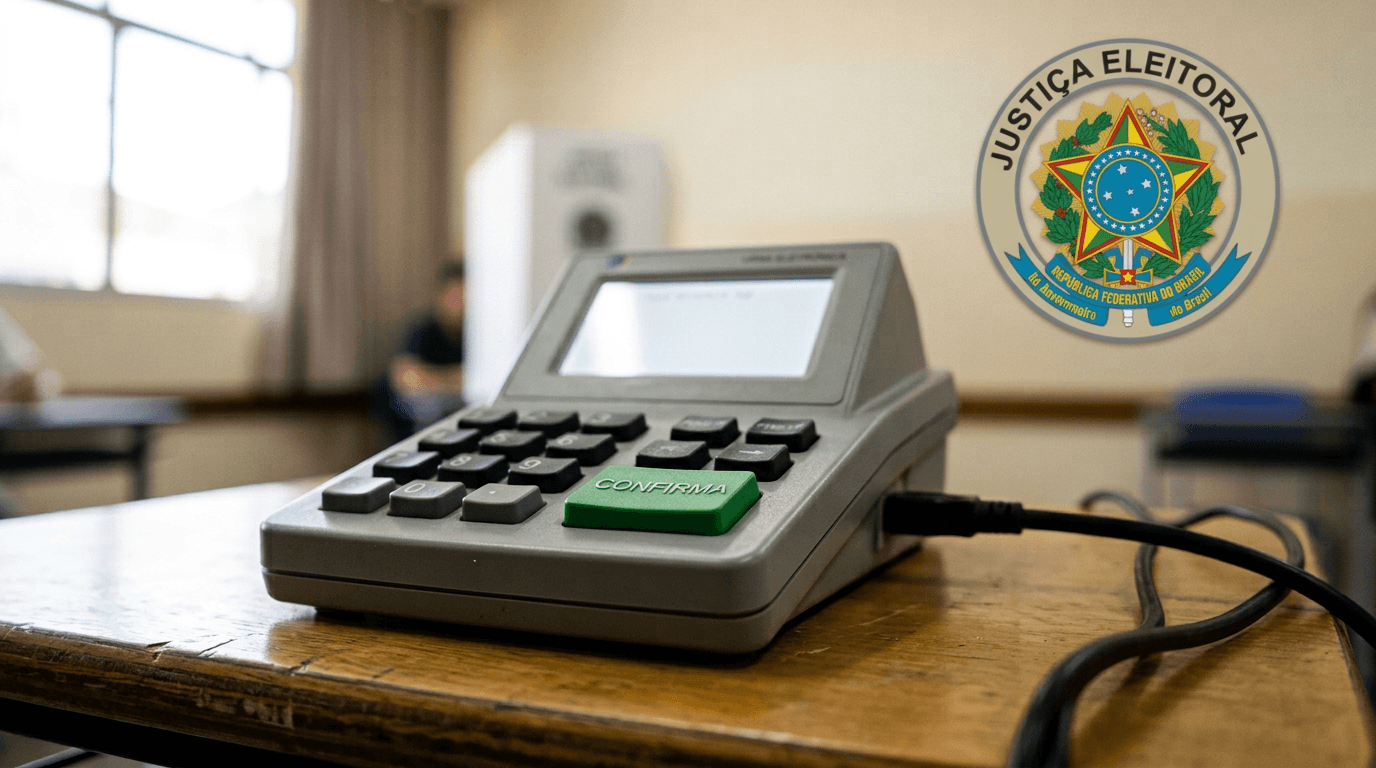
Under current electoral rules, candidates whose registrations are being disputed, known as sub judice candidates, can continue campaigning, participate in free-to-air political broadcasts, and have their names appear on the electronic voting machines. However, the validity of any votes they receive is contingent upon the final outcome of their appeals, meaning the political map of the next legislature may not be definitively drawn until well after Election Day. High-profile politicians, including former Federal Deputy Eduardo Cunha and former Rio de Janeiro Governor Anthony Garotinho, are among those whose eligibility remains in question.
The ultimate fate of hundreds of these candidacies now rests with the Supreme Federal Court (STF). The STF is currently deliberating on a lawsuit challenging changes to the Clean Slate Law passed by the Congress in 2025. The court’s ruling on the constitutional validity of these changes—specifically concerning how ineligibility periods are counted—could immediately determine the status of many barred candidates. The trial was recently suspended and removed from the virtual to the physical court session, leaving a crucial legal question unresolved on the eve of the election.
What it touches
The pervasive uncertainty over the final composition of the Chamber of Deputies and the Senate has direct implications for political risk. Investors and analysts view a cohesive, functional Congress as critical for passing significant legislation, particularly the fiscal and tax reforms widely seen as necessary for Brazil’s long-term economic health. The possibility of the election results being significantly altered by post-vote court rulings introduces an elevated degree of political and legislative volatility.
Related coverage
Politics · PRO
Independent Senate Body Projects R$86 Billion Deficit for Brazil's 2027 Budget
Published
Politics · PRO
Brazilian Congress Advances Risk-Based Bill to Regulate AI, Setting Strict New Compliance Rules for Tech
Published
Politics
Brazil Supreme Court Delays Key Clean Slate Law Ruling That Could Benefit Ineligible Politicians
Published