
Brazil’s Top Electoral Court Admits Suit Seeking to Invalidate Lula-Alckmin Presidential Ticket
The Superior Electoral Court (TSE) formally admitted a lawsuit from rival Flávio Bolsonaro seeking to revoke President Lula and Vice-President Alckmin's ticket over a 2026 Carnival parade.
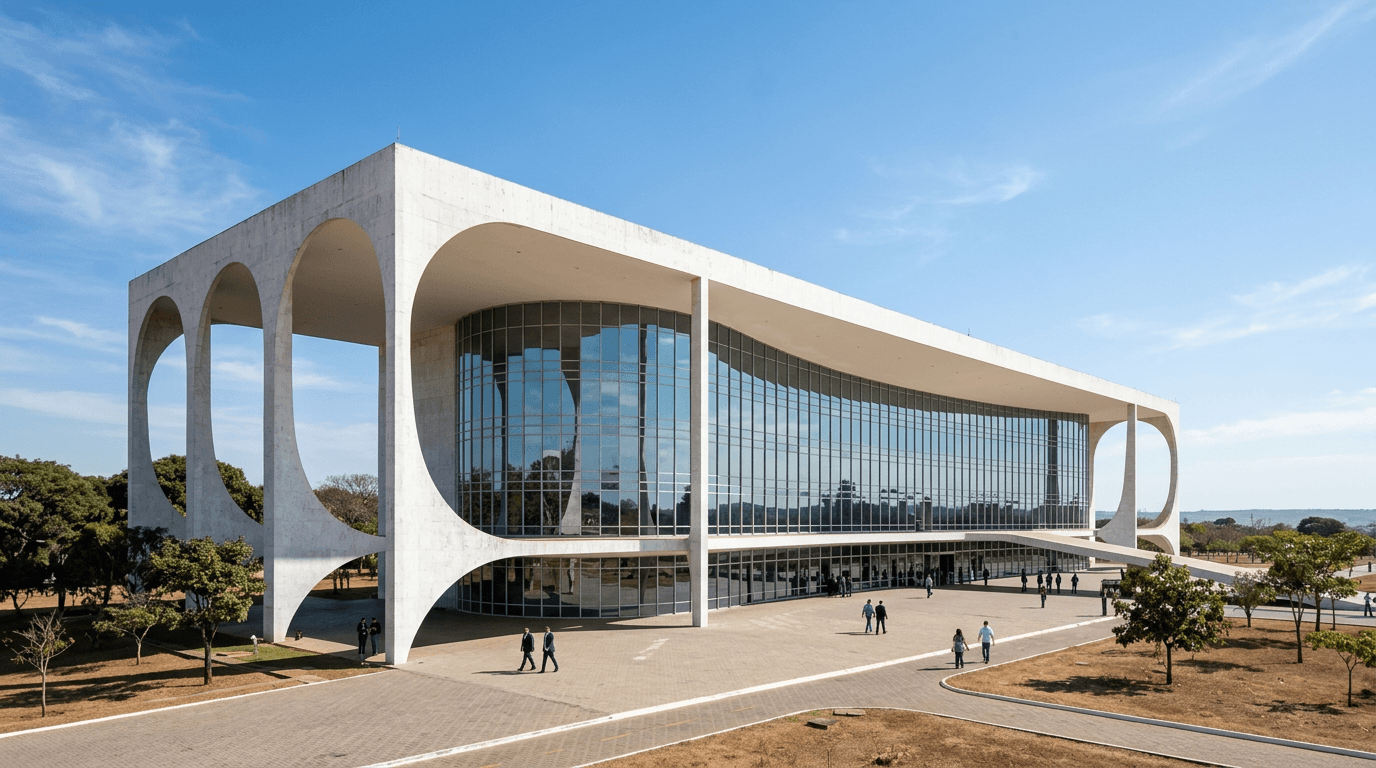
Brazil’s incumbent presidential ticket is now formally under judicial review for alleged abuse of power after the Superior Electoral Court (TSE) on Friday admitted a lawsuit seeking to invalidate the candidacies of President Luiz Inácio Lula da Silva and Vice-President Geraldo Alckmin. The action, filed by rival presidential candidate Flávio Bolsonaro, alleges that a 2026 Carnival samba school parade honoring President Lula amounted to abuse of political and economic power, potentially tainting the upcoming election.
The lawsuit, known as an Ação de Investigação Judicial Eleitoral (AIJE), is a legal tool in Brazil used to investigate the misuse of public funds or media influence in an election campaign. Bolsonaro’s suit specifically targets the Acadêmicos de Niterói samba school parade, which paid tribute to Lula, alleging that at least R$ 9.65 million in public money was transferred to the school from federal, state, and municipal entities, including the federal tourism agency Embratur. The filing argues that this use of state resources and the resulting media exposure broke the principle of equal footing between candidates.
The consequence sought is severe: the "cassation"—or invalidation—of the Lula/Alckmin ticket, which would remove them from the election, and their declaration of ineligibility for office until 2034. The decision to admit the suit was made by the General-Corrector of Electoral Justice, Minister Antonio Carlos Ferreira. The rival candidate who filed the suit, Senator Flávio Bolsonaro, is the eldest son of former President Jair Bolsonaro and the Liberal Party (PL) candidate in the current election, inheriting the conservative political mantle from his father.
The TSE has notified President Lula and Vice-President Alckmin, giving them a five-day deadline to present their defense in the case. The case will now proceed through an evidentiary phase before eventually being put to a vote by the full panel of TSE judges. While similar lawsuits are common in Brazil’s highly litigious political landscape, the TSE has a history of stripping elected officials of their mandates for campaign irregularities, though a presidential ticket invalidation is rare. The formal acceptance of the AIJE introduces a new layer of uncertainty into the country’s high-stakes election.
What it touches
The TSE’s admission of a formal judicial review of the incumbent presidential ticket’s validity creates a measurable political risk for investors. Any movement that could lead to the invalidation of the current president's candidacy injects volatility into the national outlook, which fund managers will have to factor into models assessing Brazil’s political risk and the outlook for the broader B3 stock exchange and the local currency (BRL).
Related coverage
Politics · PRO
Brazil’s Problem Gambling Costs Public Health System R$30.6 Billion Annually, Study Finds
Published
Politics
Rejected Plea Deal Alleges Bolsonaro and Tarcísio Campaign Kickbacks for Payroll Loan Exclusivity
Published
Politics
Lula Threatens to 'End' Brazil's Regulated Sports Betting Sector
Published